
Fokkebok/Getty Images
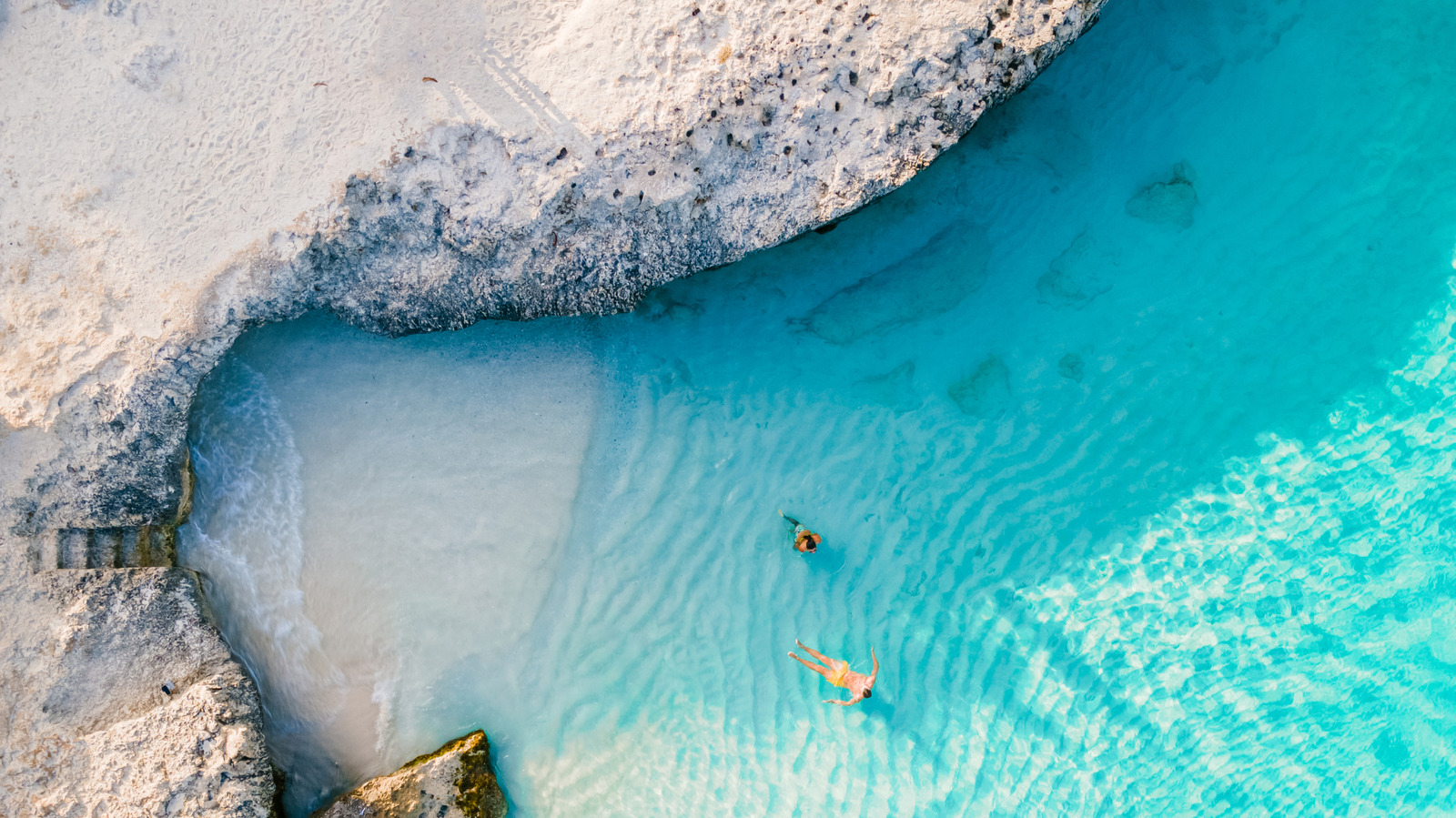
The idea of soaking up the Caribbean sun while waves lap at your feet is the kind of vacation many travelers dream about. A vision of powdery white-sand beaches, clear turquoise water, and palm trees swaying in the breeze can feel like something pulled straight from a postcard. That picturesque scene might immediately bring the Bahamas to mind, but another Caribbean island offers those same dreamy days but with the added bonus of colorful shopping districts and a lower cost of living for those who visit and find themselves wanting to never leave. That idyllic island is Aruba.
Located in the southern Caribbean just north of Venezuela, Aruba is an autonomous country within the Kingdom of the Netherlands, and it was named the safest Caribbean island in 2025. Dutch and Papiamento are the island’s official languages, while English and Spanish are also widely spoken. This tiny island is only about 21 miles long and 6 miles across at its widest point — and its compact size makes it possible to enjoy beaches, shopping districts, restaurants, and residential areas without traveling far.
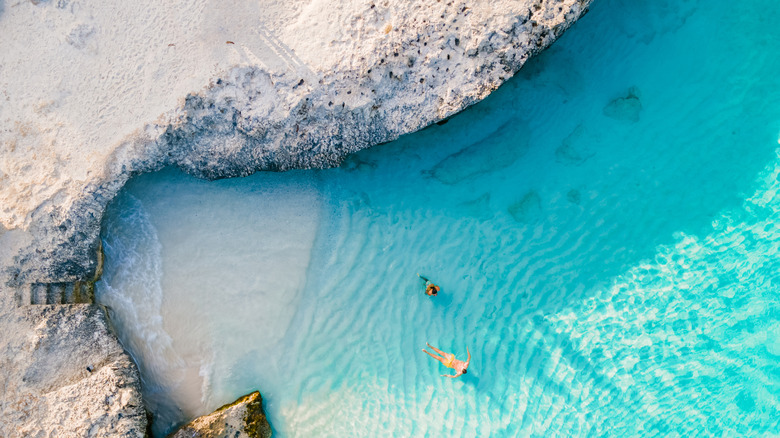
Aruba has more than 20 public beaches and coves, ranging from calm swimming spots to stretches of coastline with stronger waves and dramatic rock formations. The west and south coasts are generally calmer, while the north and east sides of the island face the open sea, creating very different beach experiences across the island. Swimming, snorkeling, sailing, and scuba diving give both visitors and residents plenty of ways to take advantage of the coastline. One of its most famous beaches is Eagle Beach, the widest beach in Aruba. It’s known for clear Caribbean water and the island’s famous Fofoti trees, whose twisted trunks lean toward the sea. It was also ranked the No. 1 beach in the Caribbean by Tripadvisor’s 2026 Travelers’ Choice Awards. Palm Beach offers a busier alternative, with a two-mile stretch lined with hotels, restaurants, beach bars, and shops.
Aruba is a shopaholic’s dream
Mike Nicholson/Getty Images
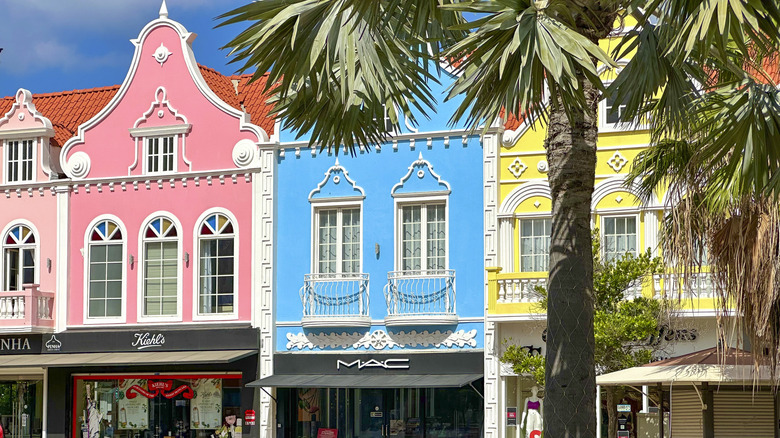
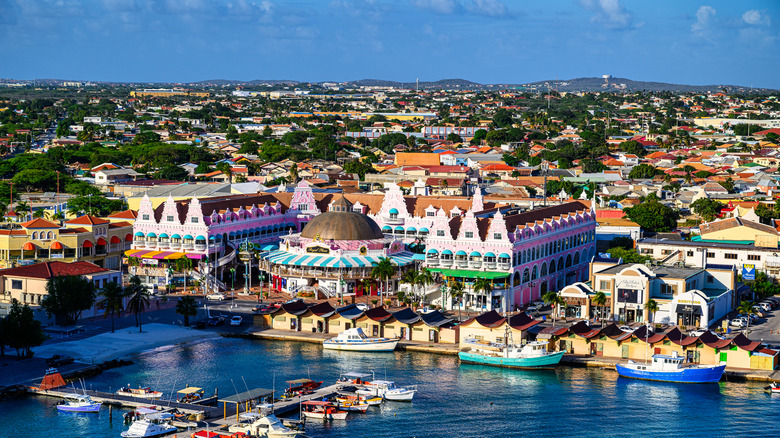
The beaches may be the obvious reason to visit Aurba, but the island’s shopping scene is so captivating it’s an almost equal draw. In Aruba’s colorful capital, Oranjestad, Dutch and Caribbean influences bring brightly painted buildings with ornate architecture housing an array of shops. Here visitors and residents will find everything from eclectic local art stores and handmade goods to luxury malls and international brands, giving both visitors and residents plenty of options beyond the beach.
Shoppers looking for something more distinctive than a typical souvenir store can browse locally made art and crafts at Cosecha, where pieces carrying Aruba’s national seal of craftsmanship range from jewelry and decorative art to handmade totes and purses. Its Oranjestad location sits inside a historic building, while the San Nicolas location doubles as a creative center where local artisans lead hands-on workshops ranging from painting to jewelry-making. Elsewhere on the island, specialty shops like Studio Murano Art sell hand-blown Murano-style glass art, and offer glass-blowing workshops too. Local ceramics can be found alongside Mopa Mopa art from southern Colombia, a centuries-old decorative tradition that uses resin from the mopa-mopa tree to create intricate designs on wooden objects.
Those looking for larger sleek shopping centers and global luxury goods can head to Renaissance Mall or the nearby Royal Plaza Mall in Oranjestad. Renaissance Mall is also a short walk to the Renaissance Wind Creek Aruba Resort, where guests can catch a boat to the private Renaissance Island, home to Flamingo Beach, where flamingos walk alongside visitors. Palm Beach has options such as Paseo Herencia and The Marketplace , which are in walking distance of the sand. Shoppers can browse clothing and accessories, stop for a meal, or visit designer stores like Gucci and Cartier.
Living in Aruba costs significantly less than the Bahamas
Andreas Voelkel/Getty Images
Aruba is a popular Caribbean island, so it’s not necessarily a budget vacation destination. But compared with the Bahamas, one of the world’s 10 most expensive places to live, the cost of living here averages around $3,180 for two people cohabitating. Housing costs can be considerably lower: The average rent for a one-bedroom apartment in a central area in Aruba is approximately $994 per month, compared with $1,276 in the Bahamas. The difference becomes even larger for renters who need more space. A three-bedroom apartment in Aruba’s city center averages around $2,626 per month, while the same size apartment in the Bahamas comes in at nearly $3,996. That’s a difference of more than $1,300 every month.
Housing isn’t the only area where costs can differ. Restaurant prices in Aruba are about 44% lower than in the Bahamas, with an inexpensive meal averaging around $18.50 compared with $48.75 in the Bahamas. Groceries are also about 29% cheaper overall, with basics such as a loaf of bread averaging $2.65 in Aruba versus $4.76 in the Bahamas. Public transportation can cost less as well, with a monthly pass averaging about $93 in Aruba compared with $150 in the Bahamas. Even entertainment shows a difference, with a movie ticket averaging $10 in Aruba versus $20 in the Bahamas. So if you find yourself thinking “I could live here” when you visit Aruba, it could be more than just a dream.