
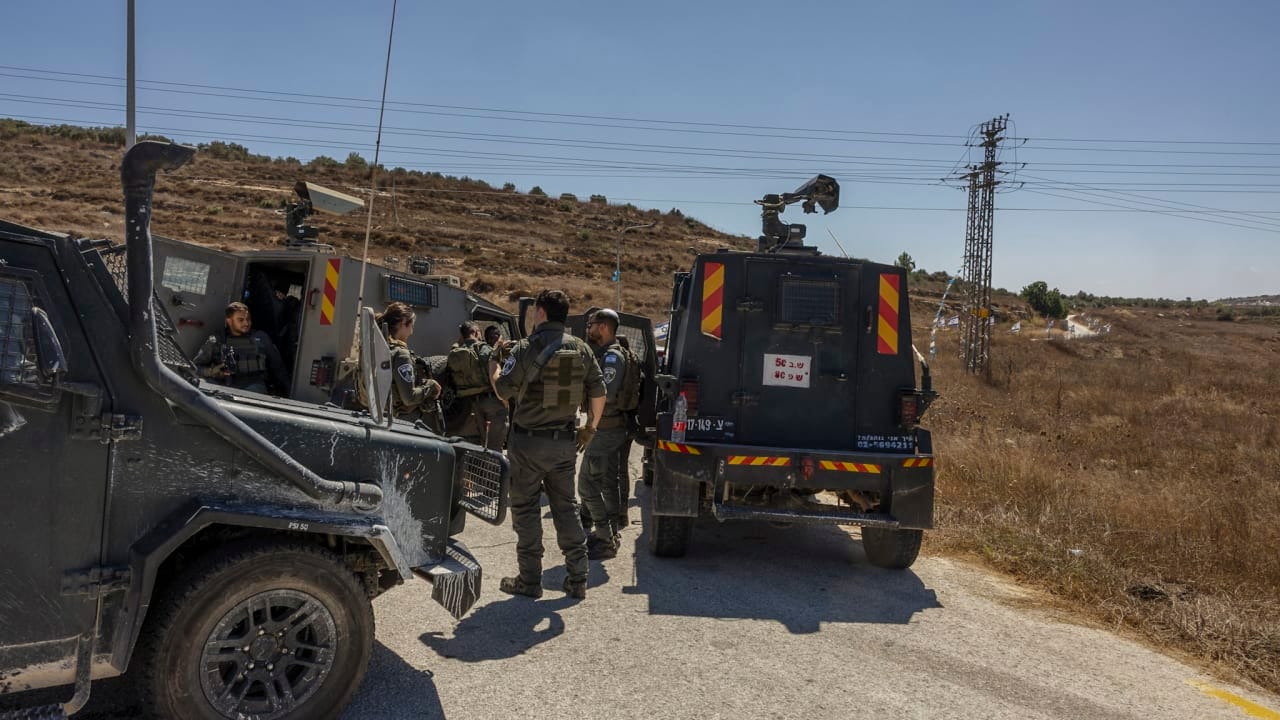
The deadly shooting attack in Binyamin ahead of Yom Kippur, in which Netanel Chkroun was killed, came amid mounting tensions in the West Bank that had been widely anticipated, Haaretz’s Amos Harel and Dr. Michael Milshtein of Tel Aviv University’s Moshe Dayan Center told 103FM on Tuesday.
“This was unfortunately expected,” Harel said. “All the assessments pointed to tensions rising during this period. The Tishrei holidays attract attacks, the election issue is heating up here, and the Palestinians are taking the opportunity to make noise. There is also the ongoing friction between settlers, primarily on farms, and Palestinians. The terrorist was caught in a hospital in Ramallah. The impression is that this was a lone terrorist, but it is clear that Hamas will try to inflame the situation as much as possible.”
Turning to the Gaza Strip, Milshtein said, “Despite Israel’s control of the territory, it is not airtight. Hamas, specifically when it comes to explosive devices, not only has no problem; it simply dismantles a large portion of the unexploded ordnance that is there.”
He noted that Israel was continuing to carry out strikes in the Gaza Strip.
“The incident is ostensibly tactical and local, but it may be the kind of pattern we will see intensify, because in Gaza we are in a static situation, as in Lebanon and as in Syria,” Milshtein said.
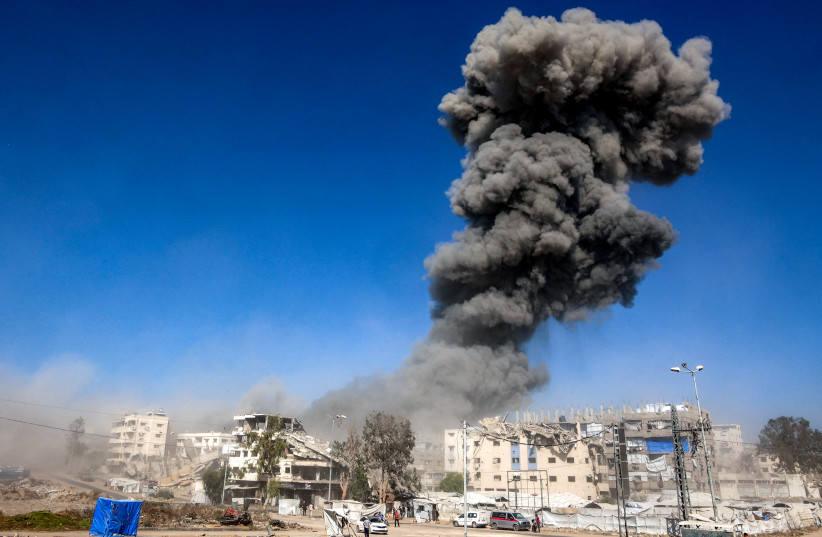 A smoke plume billows during an Israeli strike on an industrial area in Gaza City on July 12, 2026; Illustrative. (credit: OMAR AL-QATTAA/AFP via Getty Images)
“I have been in the Gaza Strip twice, close to the Yellow Line. Controlling the territory is genuinely difficult. You are sitting in the area, and the other side has chosen to wage a war of attrition against you. That is the price we will pay. It could also cost lives. There is no real ceasefire there,” Harel agreed.
US strike on Houthi targets canceled at last moment
Milshtein also addressed reports that a planned US strike on Houthi targets had been canceled at the last moment.
“You look at the international discussion surrounding the headache called the Houthis, and you understand that there is a fairly bitter memory here,” he said. “We still have a great many other fronts open, and there is reluctance to enter another arena when it is unclear how you would be able to deal with it.”
“Ultimately, you see Americans holding talks with Houthi elements, and I assess that the Saudis too, despite all our enthusiasm in Israel, would prefer to close the matter through some form of understandings,” Milshtein added. “The Houthis themselves are also not rushing to launch an all-out confrontation. There is more measured conduct here, so it may be that all the players except Israel would like to close the matter through understandings.”
Harel: ‘Things are not working out as Trump would like’ ahead of midterm elections
Harel concluded by discussing what he described as Trump’s current political and foreign policy situation.
“We are moving toward the midterm elections in the United States, and the Knesset elections here, and things are not working out as Trump would like,” he said.
“Despite the successes of the economic warfare and the successful effort to smuggle ships through the Strait of Hormuz, the story is not over. He is still stuck in a situation that he is struggling to resolve, and he is hesitant to go all the way. Trump’s renewed threats against the Iranian regime are also less effective in his view. There is a series of foreign policy problems here, and the method of noise, distraction, and threats is no longer working so well.”