
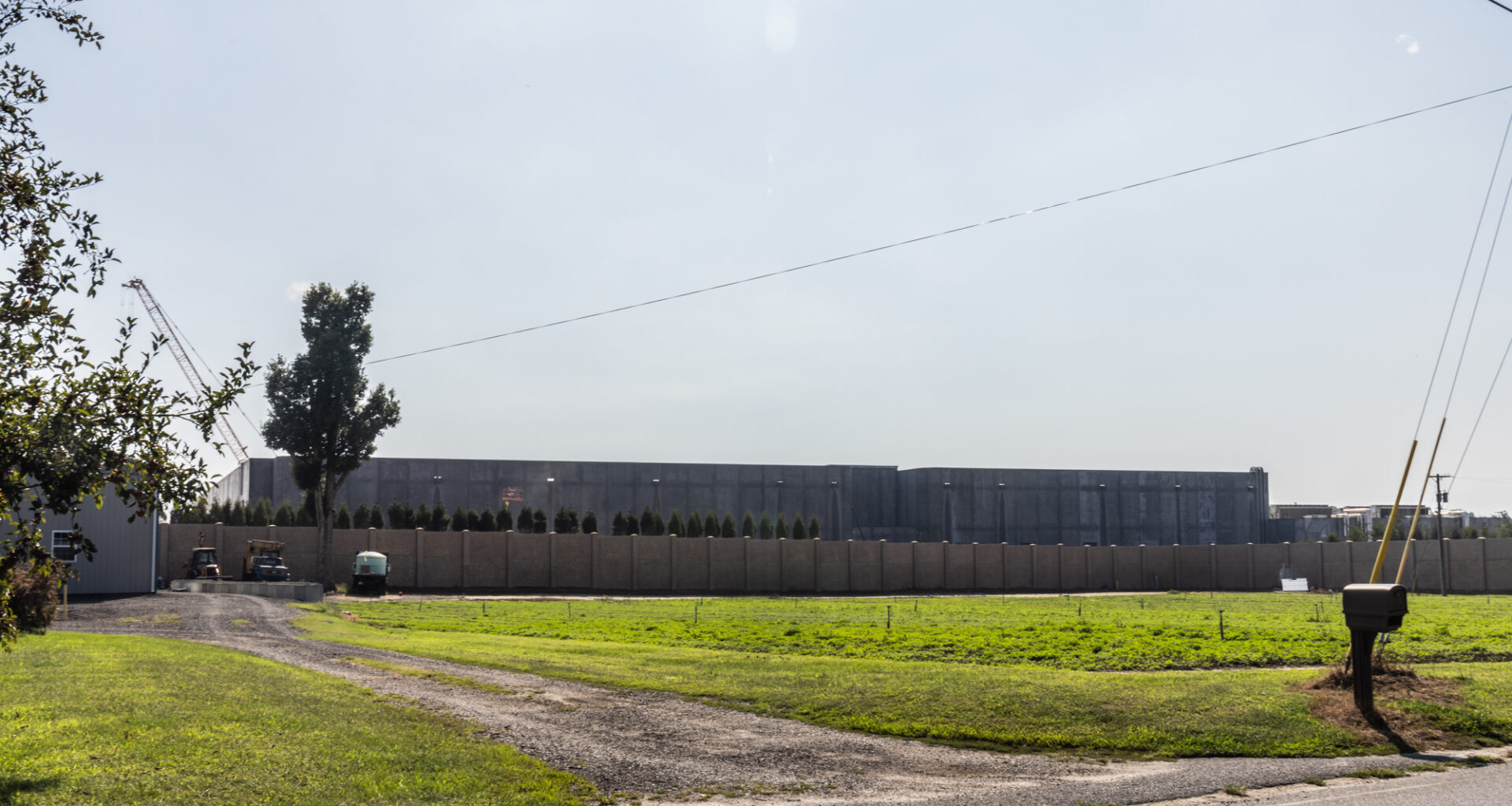
DataOne says it plans to use Bloom Energy fuel cells
The plan to use fuel cells is a shift from its previous proposal to use 32 high-efficiency natural gas engines, as well as six diesel generators for emergency power.
Data centers across the U.S. are relying on natural gas turbines and diesel engines to power their sites. Though so-called “bring your own power” takes strain off the electric grid, it can spew toxic emissions into local communities.
The Bloom Energy fuel cell process releases fewer air pollutants like nitrogen oxides and sulfur oxides than traditional natural gas and diesel engines. However, the technology is estimated to emit more than 2 billion pounds of climate-warming carbon dioxide a year at the Vineland site.
DataOne said its facility will benefit Vineland by hiring more than 200 permanent, full-time workers, and by becoming one of the largest taxpayers in the city. The city’s mayor and City Council president have voiced support for the project, and have approved a partial tax exemption for the company as part of a five-year plan.
DataOne also promised to give back to the community by providing low-income residents with weekly meals sourced from a vertical farm, or “giga-farm,” that will use heat and carbon dioxide waste to grow produce. But residents say that’s not enough.
Vineland resident Zac Landicini, who has led a grassroots campaign against the data center, said residents feel “gaslit” by the developers and their promises.
“With this [citation], claims of building responsibly and being good neighbors fall flat,” he said, adding that he hopes environmental regulators will continue to monitor the project.
Several residents have voiced concerns about air emissions and water use at the facility, and worry the data center could decrease property values. Some residents have complained about a whining metallic noise from the site, leading to a class-action lawsuit.
Tiffany Leone-Vespa lives about a mile from the facility, but can see the walls of the data center from her back yard. She said humming and motor noises are constant, including in the middle of the night. In the days leading up to the citation, Leone-Vespa has noticed a reduction in the noise. She said she is “elated” the state has taken action over the data center’s generators.
“Knowing that they didn’t have the proper permits, I’m concerned about what is emitting, what am I breathing in, what effect is it having on me, my family, everyone else, since they didn’t take the proper steps,” Leone-Vespa said.
The facility off South Lincoln and Sheridan avenues is situated in a residential area and near commercial farmland. DataOne CEO Charles-Antoine Beyney told WHYY News earlier this year that the company has acquired a majority of the homes that sit just a few hundred feet away from the facility. The company plans to have its employees occupy those homes.
Last year, Sherrill announced a comprehensive, four-pillar plan that aims to mitigate against the impacts of data centers. The plan calls on data centers to generate their own “clean energy” to reduce strain on the electric grid and reduce the impact of noise and air pollution. Last month, the governor signed legislation that requires data center owners and operators to report their water and energy usage to the state.