This week in New York, I attended an annual meeting with Iranian President Masoud Pezeshkian, Foreign Minister Abbas Araghchi and Foreign Ministry spokesperson Esmaeil Baghaei, along with several other senior Iranian officials. The gathering, with journalists and analysts on the sidelines of the UN General Assembly, is one I have attended in previous years, and this was my third meeting with Pezeshkian. It offered a rare opportunity to hear directly from Iran’s senior leadership about how Tehran sees the war and, more importantly, how it believes the conflict can end.
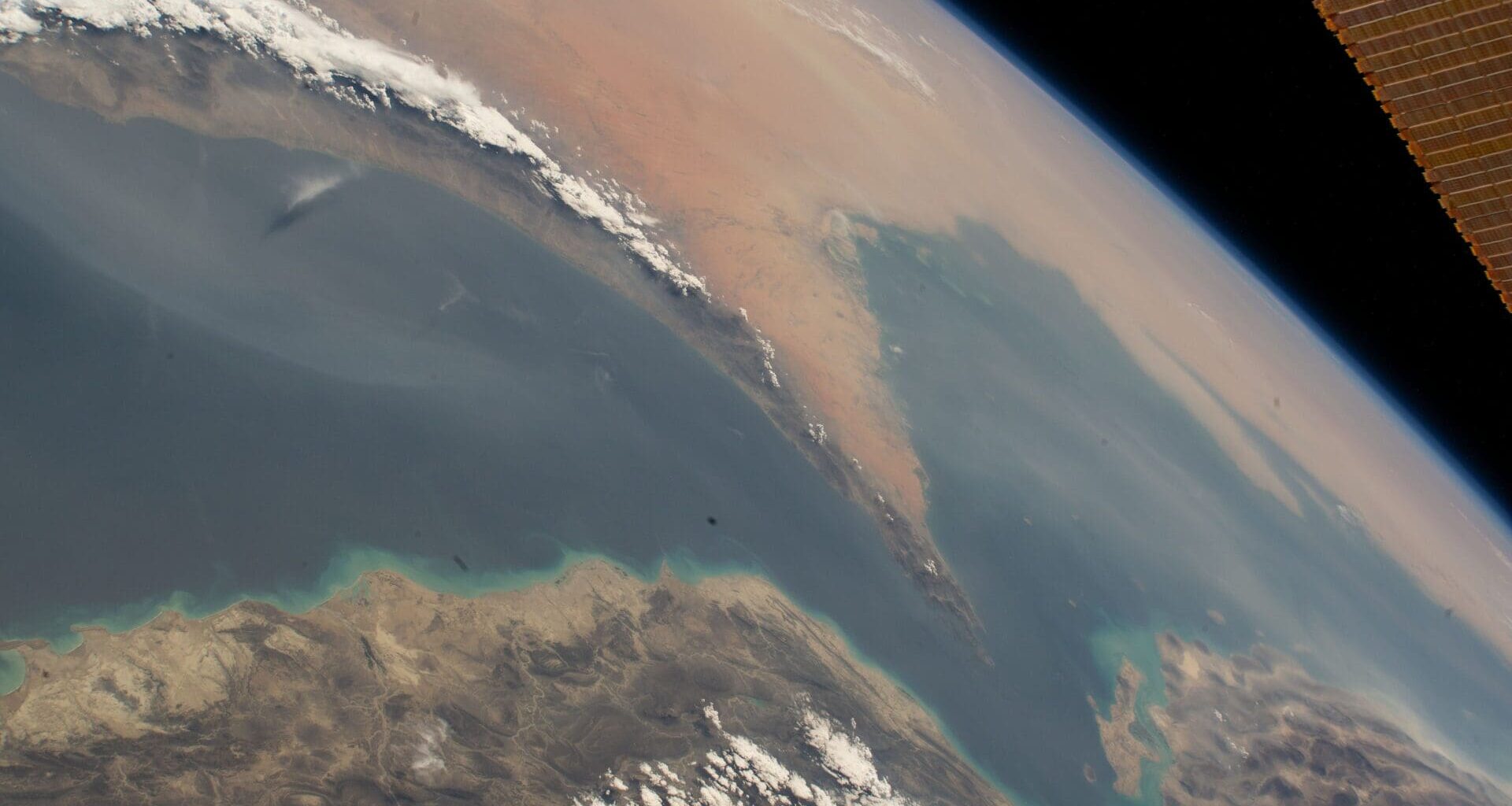
The most significant topic discussed was a new Iranian proposal sent to the United States through mediators in mid-September. Araghchi laid out the basic framework: Iran wants to begin ending the war rapidly, through a sequence of reciprocal steps that could reopen the Strait of Hormuz within seven days and move Washington and Tehran back toward negotiations. The proposal is based on the memorandum of understanding reached in June, but it appears to leave greater room for negotiation over implementation and sequencing.
To understand why Iran is putting this proposal forward now, it helps to look at the two messages Pezeshkian delivered from the podium at the United Nations.
The first, and most forceful, was defiance. Pezeshkian presented Iran as the victim of a war of aggression by the United States and Israel, one that Tehran says it neither initiated nor wanted. He emphasized the human and economic destruction inflicted by months of fighting and made clear that Iran would defend itself and continue fighting for as long as necessary. The central message was that military force and economic pressure will not compel Iran to surrender.
But that message of resistance was coupled with a second one: Iran still wants diplomacy.
Tehran’s position is not that it wants an indefinite war. It is that diplomacy cannot mean capitulation. Iranian officials are effectively telling Washington that if the United States continues trying to impose surrender through military and economic pressure, Iran is prepared to keep fighting. But if Washington is willing to engage in serious, reciprocal negotiations, Tehran believes the war can begin winding down quickly.
That is where the seven-day proposal becomes important.
Iran has put forward a framework that seeks to translate the general promise of diplomacy into an immediate sequence of actions. If Washington accepts the basic framework and begins easing military pressure and the blockade of Iranian ports, Iran says it can reopen the Strait of Hormuz within seven days. The broader arrangement would address the cessation of hostilities, Iranian oil exports and frozen assets while returning the more difficult disputes, including sanctions and the nuclear issue, to negotiations.
The proposal draws heavily from the June MoU, but it is not simply an attempt to revive that agreement word for word. What struck me in New York was the apparent flexibility surrounding the details. The basic architecture remains: reciprocal de-escalation, an easing of the blockade, reopening Hormuz and returning the unresolved political questions to negotiations. But there appears to be space for Washington and Tehran to negotiate how those steps happen and in what sequence.
That flexibility matters because the June agreement ultimately failed. Its 60-day framework unraveled amid disputes over implementation and accusations from both sides that the other had failed to meet its commitments. The new approach appears intended to compress that process dramatically: rather than spending weeks arguing about who moves first, take visible reciprocal steps within days and create momentum toward a broader settlement.
Hormuz remains critical because it is Iran’s most consequential source of leverage. The United States has managed to keep some energy moving despite the disruption, but extraordinary military protection, alternative routes and costly workarounds are not equivalent to restoring normal commercial traffic through one of the world’s most important energy corridors.
Tehran therefore does not view reopening Hormuz as something to be conceded unconditionally before negotiations begin. It sees the waterway as part of a reciprocal bargain: pressure on Iranian ports and exports is eased, and Iran restores commercial passage through the strait.
But the larger reason Washington should take the diplomatic opening seriously is the record of the policies it has already tried.
The United States first pursued maximum pressure, using sweeping sanctions and economic isolation in an effort to force Tehran into concessions. That inflicted substantial economic pain but did not produce Iranian surrender. Washington then moved from economic coercion to war. Seven months of military force have caused enormous destruction and human suffering, but they too have failed to produce capitulation or resolve the underlying political disputes.
Now Washington is returning again to intensified economic pressure and isolation. Sanctions can hurt Iran, a blockade can deepen its economic crisis, and military force can impose devastating costs. But none of those tools has so far converted pressure into the political surrender Washington has sought. Moving from maximum pressure to war and then back to maximum pressure risks repeating the same coercive strategy in different forms while expecting a different political result. If the objective is to end the conflict rather than simply increase Iran’s pain, there is ultimately no substitute for serious diplomacy.
That is the real importance of the seven-day initiative. It does not pretend that Washington and Tehran have suddenly resolved their profound differences. They remain divided over sanctions, Iran’s nuclear program, Hormuz, guarantees and the sequencing of any agreement. But those disputes do not necessarily have to be resolved before the shooting starts to stop.
The proposal instead creates a mechanism for beginning de-escalation while returning the hardest political questions to the negotiating table. That is a more realistic objective than expecting seven months of unresolved disputes to disappear before either side takes its first step.
There is also a political clock.
The U.S. midterm elections are approaching in November, and Iranian officials made clear in New York that they would prefer to move as quickly as possible, before the elections further complicate the political environment in Washington. For Tehran, the calculation is that an opening exists now and should be tested now, rather than allowing additional weeks of war and economic escalation to harden positions further.
The ball is now in Washington’s court. Iran’s message from New York was simultaneously defiant and diplomatic: it will continue fighting rather than surrender under pressure, but it is also offering a concrete path toward beginning to end the war.
Washington has tried maximum pressure. It has tried military force. And it is now turning once again toward economic pressure. None has produced Iranian capitulation or resolved the political conflicts between the two countries.
The alternative is meaningful diplomacy. Iran has put a serious proposal on the table that could begin moving the confrontation from war back to negotiations within days. After seven months of fighting, there is now a concrete place to start — and Tehran wants to start now.
Negar Mortazavi is a Senior Non Resident Fellow at CIP and the editor and host of the Iran Podcast.