
President Donald Trump said Saturday that he rejected Iran‘s latest proposal to reopen the Strait of Hormuz and halt fighting, calling the offer unacceptable while signaling he remains open to future negotiations.
“They want to make a deal and I think that’s fine,” Trump told reporters before leaving the White House. “I’d like to make a deal, too. But that deal would not be acceptable.”
The comments mark a setback for diplomatic efforts to end the seven-month conflict between the United States, Israel and Iran, which has disrupted global energy markets and sharply reduced shipping through one of the world’s most important oil transit routes.
Newsweek reached out to the White House for comment on Saturday morning.

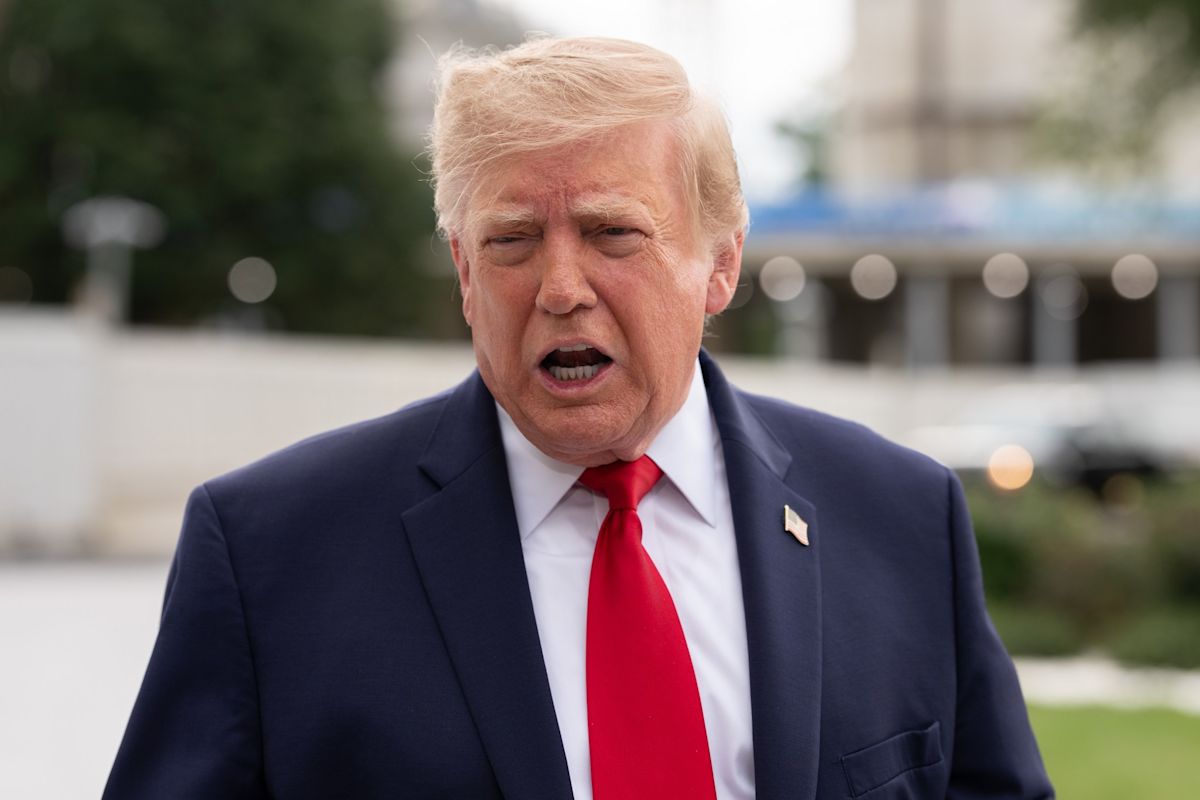
President Donald Trump speaks to reporters outside the White House on September 26, 2026. Trump said he rejected Iran’s proposal to reopen the Strait of Hormuz and restart talks aimed at ending the conflict.
Iran Offers Deal to Reopen Strait of Hormuz
Iranian officials said this week they had presented a proposal through mediators that would reopen the Strait of Hormuz within seven days and restart talks over Tehran’s nuclear program.
In exchange, Iran sought several concessions from Washington, including relief from economic pressure and commitments related to the ongoing conflict.
“They want to make a deal to open the Hormuz Strait immediately because they’re losing so badly,” Trump said.
Traffic through the waterway has fallen sharply since the conflict escalated earlier this year. The disruption has affected global oil supplies and contributed to economic concerns well beyond the Middle East.
Iran Pushes for New Nuclear Program Talks
Iranian Foreign Minister Abbas Araghchi said Friday that Tehran was prepared to resume discussions over its nuclear program if a broader agreement could be reached.
According to Iranian officials, the proposal would have established a seven-day pathway to reopening the Strait of Hormuz and reducing regional hostilities before broader negotiations resumed.
Iranian President Masoud Pezeshkian also signaled support for diplomacy during appearances around the United Nations General Assembly, while maintaining that Tehran would not yield to pressure from Washington.
The proposal followed indirect contacts between U.S. and Iranian representatives during the annual gathering of world leaders in New York.
Trump Threatened Iran at United Nations
Trump’s rejection comes just days after he delivered a stark warning to Iranian leaders during his address to the United Nations General Assembly.
In that speech, Trump said Tehran faced a choice between reaching an agreement with the United States or risking what he described as “annihilation.”
Pezeshkian responded the following day by telling world leaders that Iran remained open to “dialogue and diplomacy and negotiations” but would not accept what he described as the “language of force.”
The administration has argued that military and economic pressure have strengthened Washington’s negotiating position, with Trump portraying Tehran’s latest proposal as evidence the strategy is working.
Trump Leaves Door Open to Future Iran Talks
Despite rejecting Iran’s latest proposal as unacceptable, Trump indicated he remains open to future diplomacy with Tehran.
The rejection came despite indirect U.S.-Iran talks at the United Nations General Assembly this week. Iranian officials have continued to signal they are open to negotiations, while the Trump administration has maintained pressure on Tehran through military and economic measures.
Earlier this month, Trump predicted the conflict would continue through the November midterm elections, arguing that Iran was delaying a deal until after voters go to the polls.
Trump also declined Saturday to say whether the United States could resume military strikes after the midterms.
Related Articles