
Tarek Chouiref
27 September 2026•Update: 27 September 2026
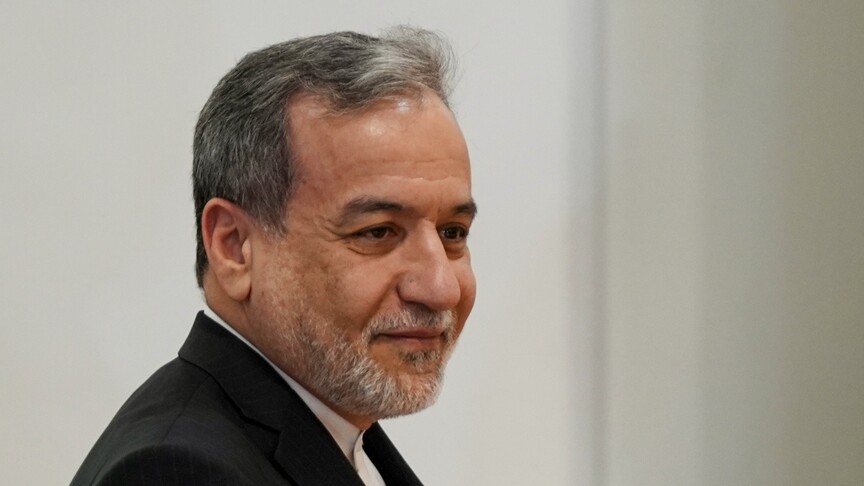
Iran has heard US President Donald Trump’s reaction to its seven-day proposal to reopen the Strait of Hormuz but is still awaiting Washington’s final position through mediators, Foreign Minister Abbas Araghchi said on Saturday.
Araghchi told the official IRNA news agency that Tehran had presented its conditions for reopening the Strait of Hormuz and advancing negotiations during meetings in New York.
He said the conditions had been explained to the mediators, who then relayed them to the US.
“We have heard the first reaction from the US president, but nothing has yet been conveyed to us by the mediators,” Araghchi said. “We are waiting for the final position to be conveyed through the mediators, and we will decide based on that.”
He said any progress toward reopening the strait or moving negotiations forward remained conditional on Tehran’s terms being met.
“Our conditions are clear,” he said.
The new proposal lays out a roadmap to open the Strait of Hormuz with normal maritime passage within a week. It calls for the US to release frozen Iranian assets, lift oil sanctions and end the naval blockade on Iranian ports, after which the strategic waterway could be reopened and negotiations on a final deal would start.
The foreign minister said a negotiated solution remained the only viable way forward, arguing Tehran had kept the diplomatic track open.
“There will be no solution other than a negotiated one based on dignity and justice and securing the rights of the Iranian people,” he said.
Araghchi added that Iran would continue pursuing diplomacy while refusing to relinquish its rights under pressure.
Earlier Saturday, Trump rejected Iran’s proposal to reopen the Strait of Hormuz to commercial shipping within a week, saying the terms were unacceptable despite Tehran’s willingness to reach a deal.
Speaking to reporters at the White House, Trump said the US already had “total control” of the strait and accused Iran of seeking an agreement because it was “losing so badly.”
On Friday, Araghchi said the strait could reopen and normal maritime passage resume within seven days if Tehran’s conditions were met, adding that the steps required from Washington were already included in the June memorandum between the two sides.
“The choice now rests with the United States,” he said.