
Dunnellon, Florida —
Every night, one of the men Ron McAndrew killed would sit at the foot of his bed and stare, blankly, into his tortured soul.
He knew they were coming. He’d shift over in his sheets to make room. “They never said anything,” McAndrew recalls, his aged voice straining from the weight of the memory. “They just sat there and looked at me.” But their eyes would talk.
They would ask: “How could you do such a thing?’” says McAndrew. “You always claimed to be a good person. And now you’re killing people.”
Nearly three decades have passed since McAndrew watched the life slip from the faces of eight convicted murderers, but each death lives with him. He recalls every part of the job’s terrible routine: Listening to the inmates’ final words. Arranging their last meal. And giving the silent signal to kill.
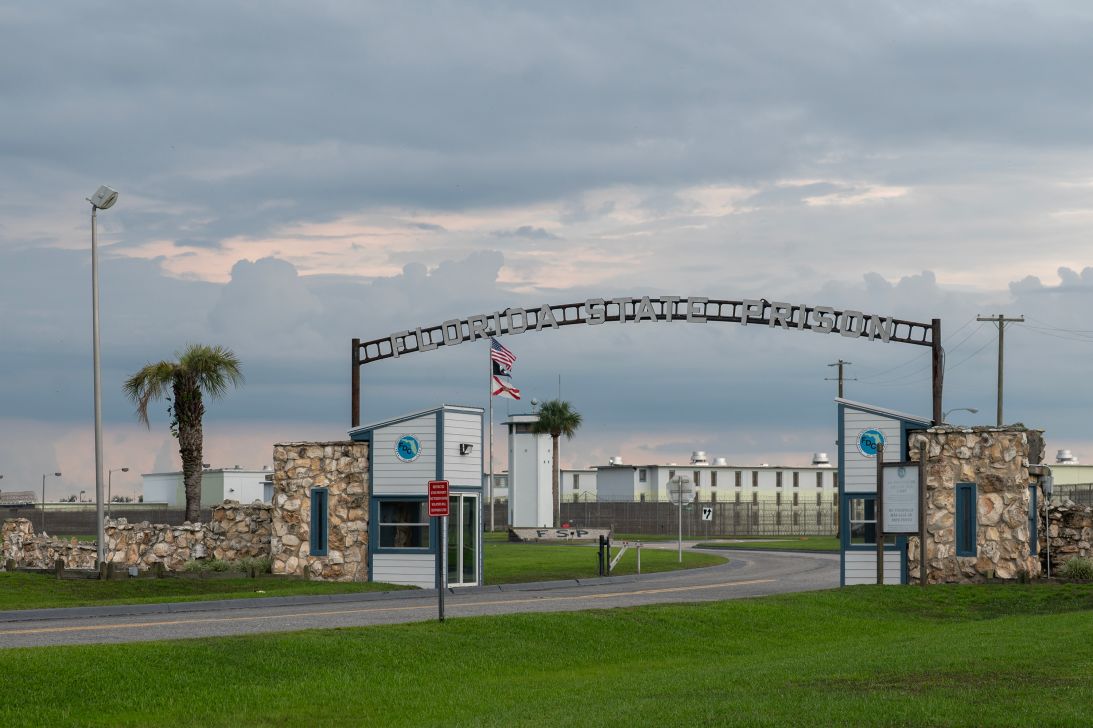
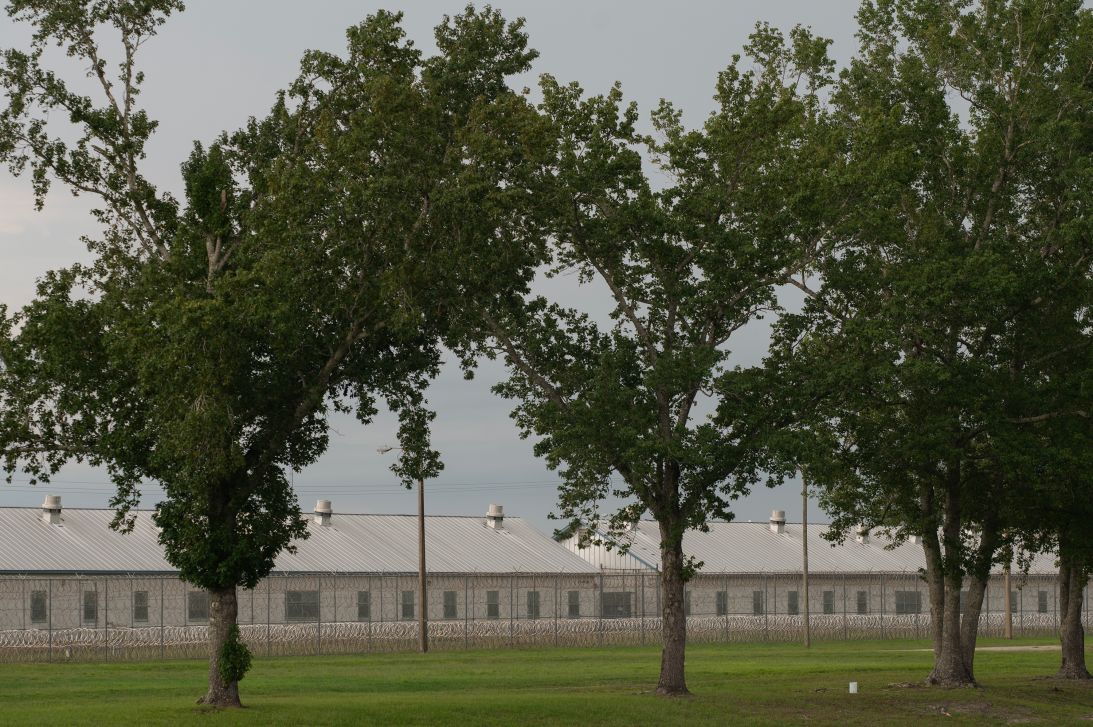
McAndrew was the warden at Florida State Prison, the facility where the state executes its death row inmates, until 1998. He led a team that killed three prisoners by electrocution, then went to Texas to assist in the lethal injections of several more men. He became convinced that one of his inmates was innocent; another execution was botched, setting fire to an inmate’s head.
And he regrets it all. “I really believed in the death penalty,” he says. “I can’t believe that I did, today. I simply cannot believe it.”
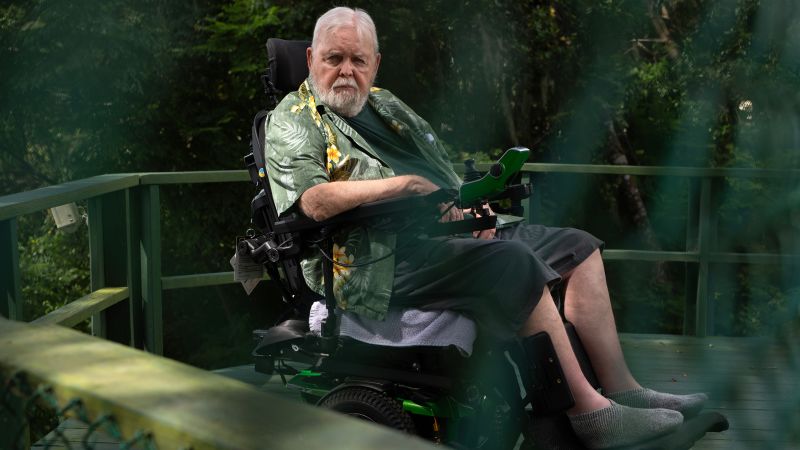
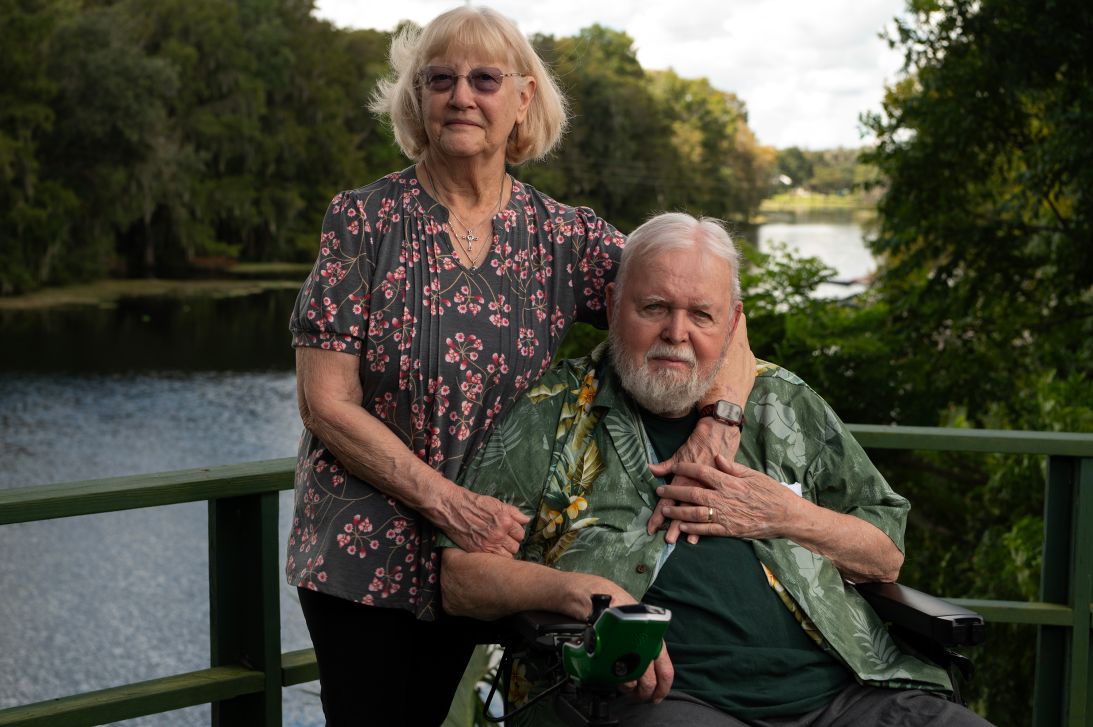
Now 88, McAndrew has become an unlikely opponent of capital punishment. He is trying, with whatever time he has left, to right eight wrongs. “I had to look at myself,” he says on a recent sticky Florida afternoon. “You really start thinking about what you’ve done. Why you did it,” he says.
But his own state is working against him. Since the start of 2025, Florida has executed more people than any other state and nearly as many as the rest of the country combined. On Tuesday, the state is slated to carry out its 16th execution of the year: of Curtis Beasley, 77, who was convicted for the 1995 bludgeoning death of a woman. His lawyers have argued Beasley has deteriorating cognitive abilities which make the death penalty unreasonable; Florida’s Supreme Court denied his appeal earlier this week.
The state’s flurry of executions agonizes McAndrew. He does not like the word “execution,” he explains, his soft intonation turning to fury. “I prefer to call it a premeditated ceremonial political killing. Because that’s what it is.”
This house stands at a crossroads. Directly below McAndrew’s home, an hour’s drive south of Gainesville, Florida’s Rainbow River merges with the Withlacoochee, a waterway that emerges from a swamp and dances through the center of the state. Ron’s wife, Lynne, says she once saw a man drown on those waters after his boat tangled with a sunken tree and capsized.
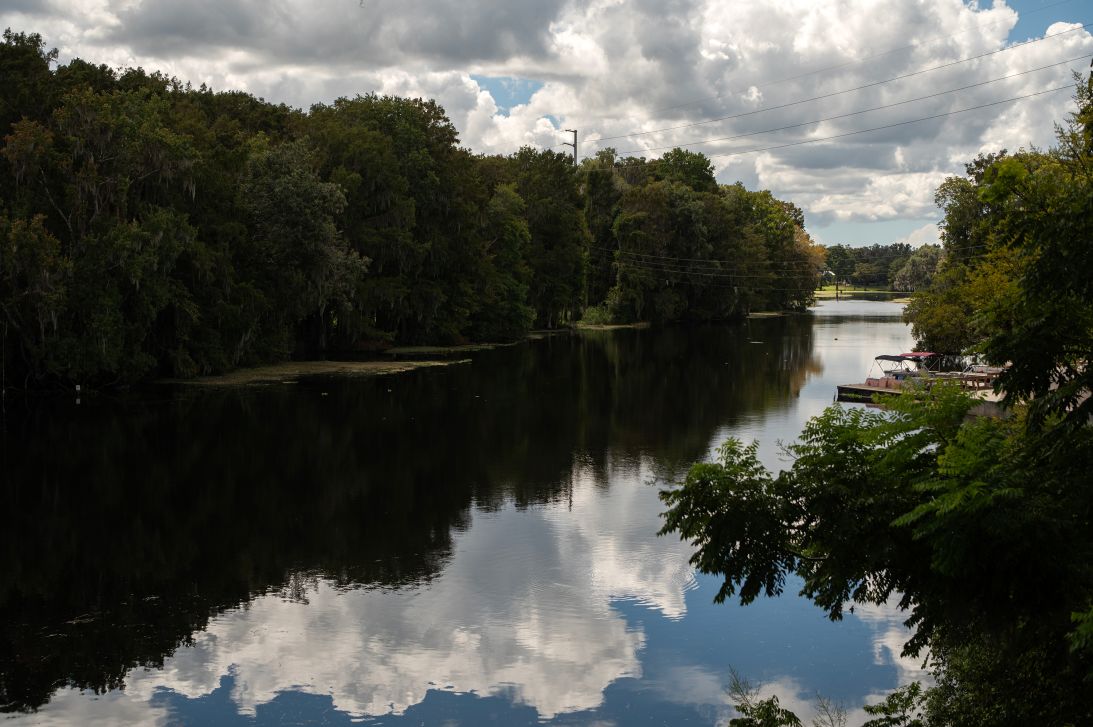
Every day, indoors and out, McAndrew is shadowed by death. He thinks a little about his own passing, and he thinks a lot about the deaths he oversaw. Lawyers, advocacy groups and death row inmates compete for McAndrew’s time, hoping to gain insight from a former warden who turned against his state.
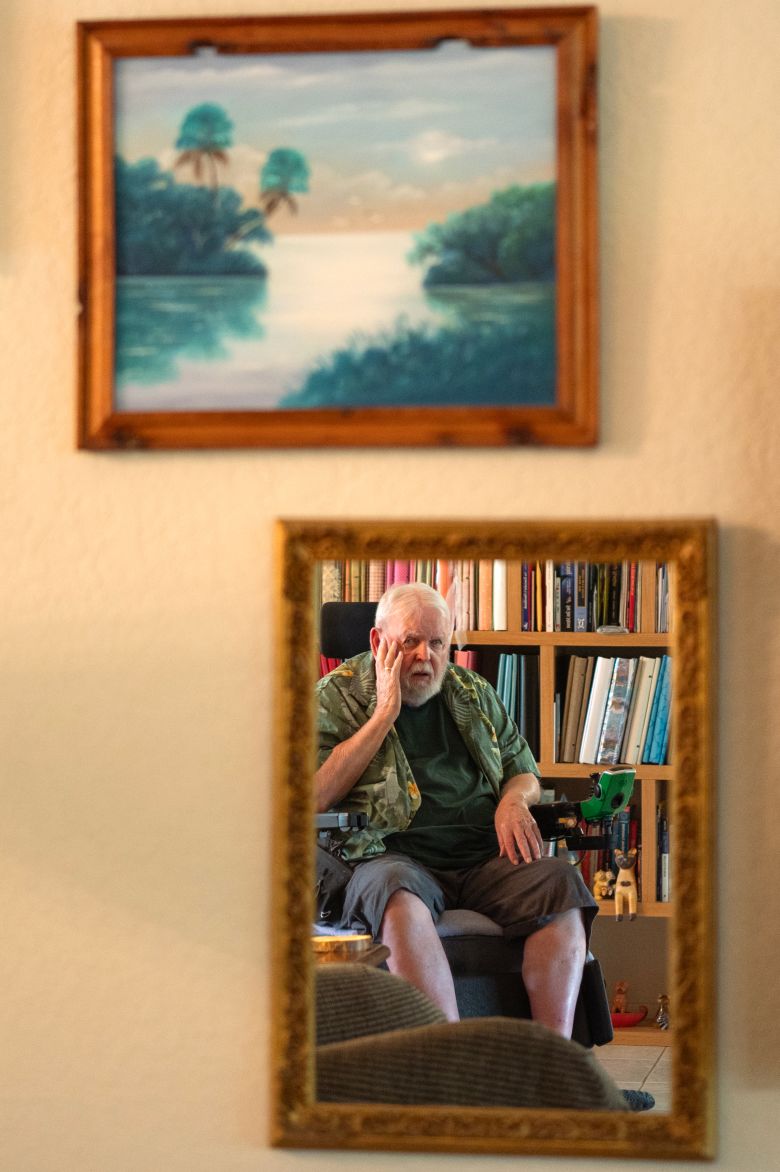
So he keeps reliving it all. As he talks in his living room, the clouds outside turn gradually darker, signaling an approaching storm. The air is heavy as he speaks. McAndrew has a mischievous sense of humor, but there is no laughter in his voice once his mind travels back to Florida State Prison.
McAndrew was an ambitious state corrections official when he became warden in 1996. It was a role with a solemn responsibility: All of Florida’s executions take place there. “I was so anxious to climb the ladder,” he says. Officers competed to join his execution squad, a high-profile team whose work was done at the behest of the governor.
And McAndrew, back then, was ready to do it. He recalls details of each execution with ease. The state gave him $40 to procure a final meal, he says: when more was needed, he would dip into his own pocket.
The night before he’d play coach, gathering his team for a pep talk. “Coffee and donuts are on me,” he’d tell them. “But it’s going to cost you, because I want to know how everybody in here is feeling.”
A gallows humor persisted among some officers, which McAndrew detested. The electric chair was nicknamed “Old Sparky,” a moniker McAndrews banned. “Nothing about what we’re doing is a joke,” he’d tell them. He ended one tradition – a post-execution team trip to a nearby diner – after locals high-fived members of his squad.
On each fateful morning, McAndrew would visit the inmate’s cell and nod to his guards for privacy. By this point, the prisoner’s life was measured in minutes. The door would shut with a metallic clunk; McAndrew would join the man on his bed and begin the final conversation they would ever have.
“It’s just me and you,” he told them. “Anything you want to say?”
He discovered the men had a lot on their minds. “I tried my very best to be a person of comfort.”
He promised each prisoner he’d never repeat what was discussed, and he’s stuck to that promise. But asked about their state of mind, McAndrew falls silent.
His eyes drift out through his living room window, past his deck to the swampy waters beyond, where gators skulk below the surface. Suddenly he’s back in 1997 — his words keep coming, but his face darkens.
“Tears,” he says at last. “Anxiousness. A fast tapping of feet. Surprise.”
Eventually, McAndrew would pull the handcuffed prisoners’ shoes off their feet — a final moment of intimacy before a clinical ritual.
Then he left them alone.
In Florida’s execution chamber, everyone knew their job. The first was to slam the prisoner into the chair. “By making it so brutal,” McAndrew explains, “it creates a shock within that person that actually calms them. For a bit.”
As the inmate reeled from the blow, the team strapped him to the chair. McAndrew’s responsibility was the right ankle. Eight years earlier, the serial murderer Ted Bundy was executed here. Guards still talked about the struggle he put up.
“They said he had the strength of a dozen men,” says McAndrew.
The rest of the routine would play out with grim efficiency. McAndrew would put a microphone before the inmate’s face and ask for their last words. Meanwhile, 26 witnesses – “judges, lawyers, citizens, curiosity seekers, bloodthirsty assholes,” he calls them – watched and scribbled notes.
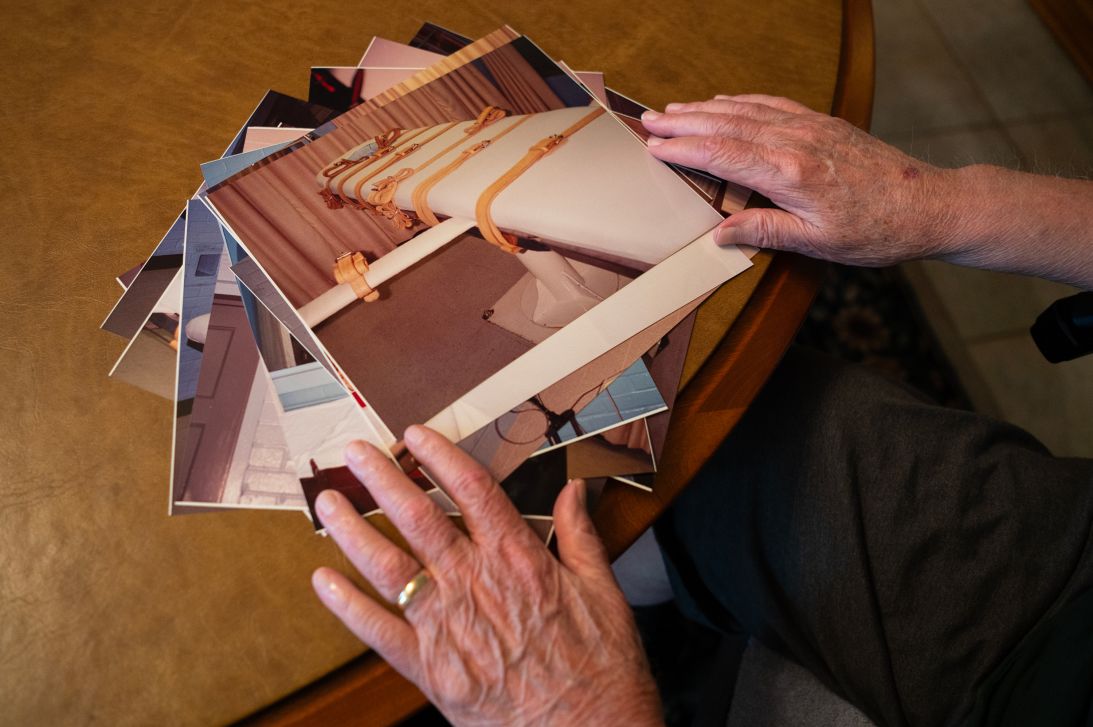
A leather mask was fixed to the man’s face, “so tightly it automatically breaks the nose,” says McAndrew. Blood would run from underneath the mask every time, he recalls. “But they couldn’t scream.”
Then governor would call to tell McAndrew: “There are no stays, there are no stays.”
And then came a macabre performance. McAndrew would give a subtle, unnoticed signal to a man in black robes and a hood, hidden behind a partial wall. The man was the executioner, hired by McAndrew for $150 each time, his identity unknown even to prison staff. A secret language with one meaning. The signal meant “pull the lever.”
McAndrew talks softly these days, his words evaporating into the air from time to time. He used to take his boat out onto the waters, but today, his life is slow and deliberate. He spends a lot of time thinking about it all: weighing good and bad deeds like beads on an abacus.
He has lived many lives. The first began in North Carolina in 1938, where Depression and war shaped the contours of his childhood.
Sometimes, on the radio, news of an execution in Raleigh would reach his rural outpost. “It’s just like the Bible says,” his grandfather, a Methodist minister who raised McAndrew, would explain. “An eye for an eye, and a tooth for a tooth.”
“You take that on with you right into adulthood,” says McAndrew. “It’s a part of your personality. It doesn’t just leave you.”
It stayed with him during his next unlikely lives: two years in the Air Force; four marriages; a decade selling perfume overseas. In the 1970s, after losing his sales job, McAndrew heard from a friend that a prison in Florida was desperate for workers. He laughed: “You think I’d work in a prison?”
He eventually worked in several prisons. Officer McAndrew became Sergeant McAndrew, then Lieutenant McAndrew, then Major McAndrew. Eventually, he was asked to become warden at the State Prison near Starke, a town split in two by a railroad line and kept thriving by corrections officers.
But first, McAndrew was asked whether he would have any trouble sending prisoners to their death. “No, sir,’” he replied. “An eye for an eye, and a tooth for a tooth.”
Things soon changed. “I knew something was going on inside of me,” he says. He’d obsess about the prisoners’ lives, taking home case files. He became increasingly concerned about one condemned inmate, Leo Jones, convicted of the fatal shooting of a cop in Jacksonville. Jones maintained his innocence, and said his confession was coerced. “This investigation was piss poor,” says McAndrew.
He told his boss, whose response, says McAndrew, was: “Ron, stay the f**k out of those records. That’s not your job.” Jones was executed in 1998.
During that time, McAndrew barely slept. When he did, the visions appeared: the condemned prisoners, alive again in his mind, sat silently on his mattress.
As he talks, his hands, crumpled by the years, clutch the sides of his $7,000 motorized wheelchair. It brings him an eerie kinship with his Florida inmates: His body shifts and heaves as he describes their final movements, their futile efforts to reject the fatal shock.
By the time of his third execution, McAndrew was drinking heavily each night to numb the pain. He contemplated suicide. He gestures to his wife, Lynne: If it weren’t for her, he says, he would have followed through.
And then, in March 1997, a death row inmate named Pedro Medina was strapped into the chair.
“I am still innocent,” Medina exclaimed into the microphone. The inmate, convicted for a stabbing in Orlando, had always insisted he had not committed the crime. But those words – a frantic coda to Medina’s life – meant nothing now. The mask covered his face, and McAndrew gave the signal.
“There was a pop first,” he says. And then a huge flame erupted, McAndrew recalls. Suddenly Medina’s head was alight and the chamber filled with black smoke.
The electrician turned to McAndrew. “Continue?” he asked. “I couldn’t stop it at that point,” he says gravely. “I said, ‘Yes.’ Continue.” In a life full of regrets, McAndrew regrets that word most of all.
The smell of human flesh was putrid; it would never leave his clothes. McAndrew ordered his team to open the windows. The scent drifted outside and upwards, into a cell block. “All the other inmates on death row could smell Pedro Medina being burned to death,” he says.
An autopsy later found Medina died painlessly, but McAndrew rejects that finding in graphic terms. “Pieces of his head were falling off,” he says. “We literally burned him to death.”
That was the worst day of McAndrew’s life. For hours he paced his office while national news channels relayed the grim nature of the killing. He took frantic calls from his wife.
“The whole process is difficult to get out of your mind,” he says. He spent years trying, through alcohol, then therapy. But “at my age now, I don’t want it to get out,” he says. “I want to remember it.”
“Someone put me in this position on purpose because I needed to be here,” he says. “Never has there been a warden in the state of Florida that has traveled all over the world to speak against the death penalty.”
“If (anyone) stands in front of me long enough to hear my story, I’m going to tell it.”
McAndrew vs. the state of Florida
McAndrew’s story didn’t end that day, but it took a different course. The Medina execution portended the end of electrocution in Florida. An angry governor loaned him to Texas on a fact-finding deployment, shadowing a novel method the state was using: lethal injection.
That method is now the default method of execution in most US states, including in Florida. It was adopted, its advocates say, because it is a more humane way to end a life. “It was not humane at all,” says McAndrew. He was a member of the Texas team that killed five men with the drug, he says. “If it was humane, they wouldn’t need eight belts to hold somebody down.”
By the time McAndrew retired in 2002, he was a broken man. He took a few months to wallow in his regrets.
“I wish I’d never gone to Florida State Prison,” he says. “I wish I’d never gotten into that dirty business.”
Then he got to work trying to undo all the bad he had done.
He has traveled across the US to speak against the death penalty and has spent years lending his expertise to assist inmates’ legal appeals. “I’ve been quite successful in helping inmates get off of death row,” he says with a pride that’s missing from most of his other recollections.
At one point during our conversation, he asked his wife to retrieve a letter he received the day before. It came from a prisoner on Florida’s death row; there is new evidence in his case that could exonerate him, the prisoner wrote in scratchy handwriting. Would McAndrew provide testimony to support his appeal?
McAndrew has forged unlikely relationships: He is the lone octogenarian Republican at most of the anti-death penalty events he attends.
At 88, he is unsure how much longer he can do this work. But, in his view, the work has never been more important.
His country is gradually turning against the death penalty. Recent polls by Gallup indicate 52% of Americans now favor it, down from 60% a decade ago and 71% when McAndrew was warden.
And there are signs that its use is diminishing. In 49 states, it is sought less often by prosecutors and carried out less often by prisons than it was several decades ago.
But Florida is resisting that trend. Between 2020 and 2024, the state killed seven people. Then, in 2025, it executed 19 inmates. It may match that number this year.
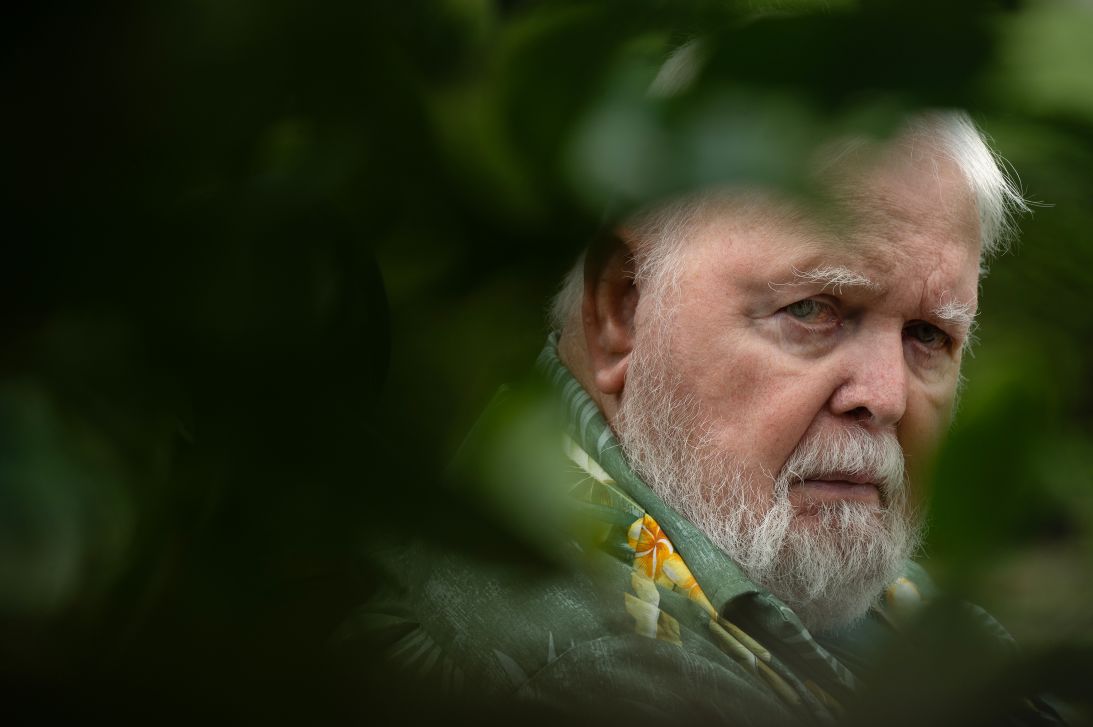
“I am ashamed of that fact,” McAndrew says.
McAndrew says he has written to Gov. Ron DeSantis’ office several times, pleading with him to stop signing death warrants. He says he hasn’t heard back. DeSantis’s communications director, Alex Lanfranconi, told CNN in a statement: “My advice to those who are seeking to avoid the death penalty in Florida would be to not murder people.”
News of the executions keeps finding its way to McAndrew, just as it did when he was six years old. So, his work continues. “I’m not finished yet,” he insists.
And when time is called on his own life, he sounds like a man who’s ready. McAndrew is Catholic, and says he believes in an afterlife.
As our conversation concludes, the heavens above his house open at last, and a thunderstorm erupts. He throws his eyebrows up towards the stormy skies. “There’s a lot of people waiting on me there,” he says.