
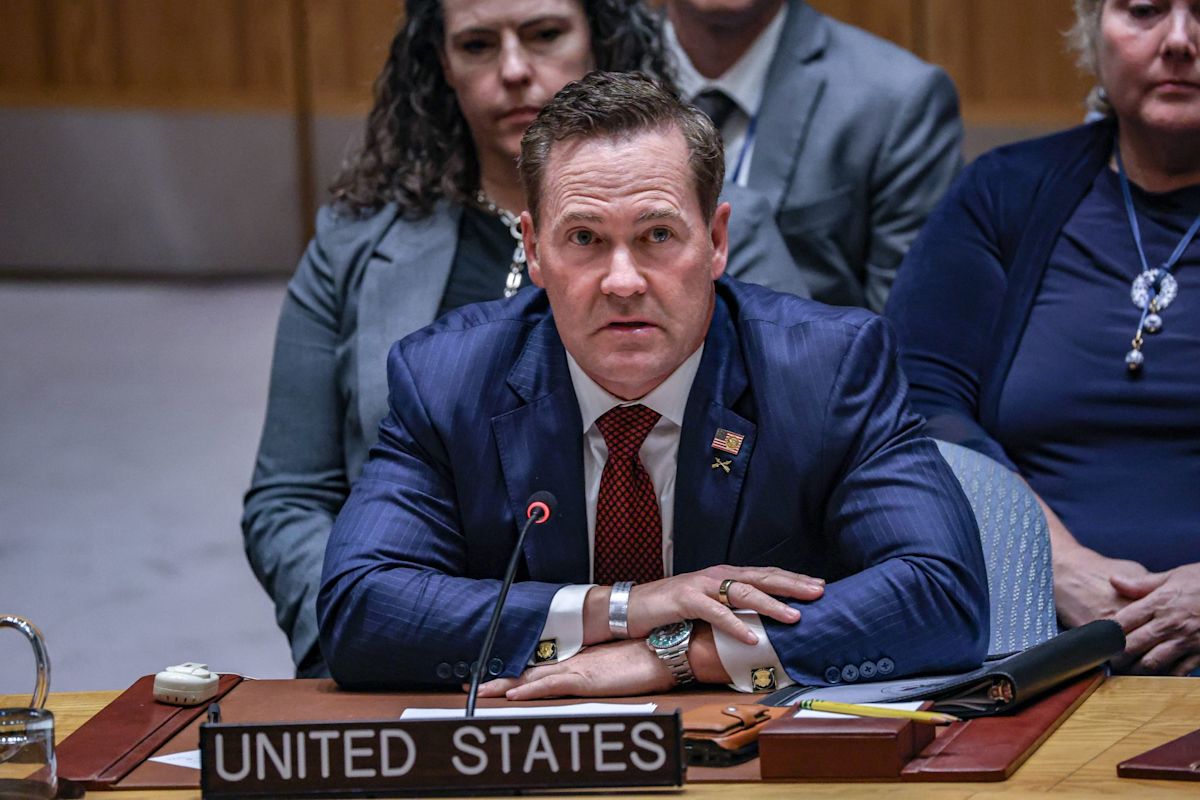
Tehran’s demands of preconditions, including the lifting of sweeping sanctions and access to frozen assets worth billions of dollars, were the reason the United States rejected an Iranian proposal to reopen the Strait of Hormuz, US ambassador to the United Nations Mike Waltz said on Sunday.
“They were asking for everything up front,” Waltz told US broadcaster CNN, saying Iran had only agreed to enter negotiations after those demands were met. US President Donald Trump was not convinced that Iran would genuinely negotiate over ending its disputed nuclear programme, Waltz said.
Trump had recently said he rejected an Iranian proposal to reopen the strategically important strait, which is vital for oil shipments, because the offer was unacceptable. He pointed out that the US naval blockade was putting Iran under economic pressure by cutting off revenue from energy exports.
Iran’s Foreign Minister Abbas Araghchi previously said Tehran had sent Washington a seven-day plan via Qatar. “They can accept this seven-day plan, and at the end the Strait of Hormuz will be open,” Araghchi said.
He said part of the proposal required the US to first meet certain conditions. According to the Wall Street Journal, these included lifting the US naval blockade.
Before the Iran war, which the US and Israel launched together at the end of February, shipping through the strait had been largely unimpeded. About one-fifth of global oil demand was transported through the Strait of Hormuz, which is also important for the transport of liquefied natural gas and fertilizers.
Shortly after the war began, Iran brought shipping through the strait almost to a standstill through threats and attacks. Oil and gas prices on world markets subsequently rose sharply.
The US responded to Iran’s closure of the Strait of Hormuz with its own blockade of Iranian seaports, in an effort to put the country under economic pressure.