
Benzinga and Yahoo Finance LLC may earn commission or revenue on some items through the links below.
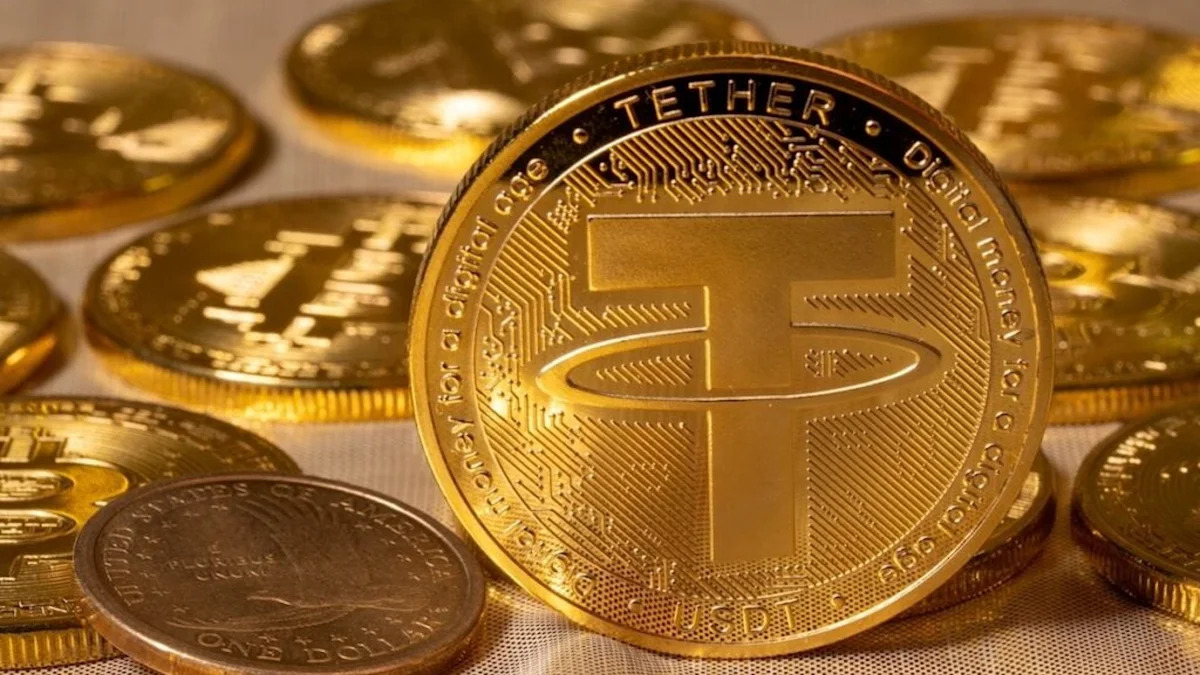
Iran relied heavily on Tether (CRYPTO: USDT) to move money outside the traditional banking system, according to a Senate Democratic investigation that found 84% of 846 sanctioned Iran-linked crypto wallets transacted exclusively or almost exclusively in USDT.
The report said USDT, the dollar-pegged stablecoin, helped Tehran move money across borders and support the rial despite U.S. sanctions. The wallets analyzed had been sanctioned by the U.S. or Israel over ties to Iran and its regional proxies.
Sen. Richard Blumenthal (D-Conn.), the top Democrat on the Permanent Subcommittee on Investigations, told The Wall Street Journal that Tether had become “central to Iran’s shadow banking system.” The subcommittee referred its findings to the Justice and Treasury departments.
Tether Accused of Being Too Slow to Freeze Funds
The report’s criticism goes beyond Iran’s use of USDT. Investigators said Tether has “repeatedly failed” to block wallets tied to Iranian exchanges, brokers and terrorist organizations, sometimes taking weeks to act.
In one case, investigators said $34.6 million continued moving through wallets after authorities sanctioned them.
Tether pushed back Monday, saying it has helped freeze nearly $550 million in Iran-linked USDT this year and continues to cooperate with U.S. authorities.
“Tether has consistently demonstrated that USD₮ is not a haven for sanctioned actors, terrorist organizations or criminal networks,” CEO Paolo Ardoino said.
Unlike Bitcoin (CRYPTO: BTC), Tether can freeze USDT held at specific addresses, giving authorities a way to immobilize funds once wallets are identified.
Traders Still See USDT Growing
The scrutiny comes as USDT continues to grow. Traders on Polymarket currently give it a 59% chance of reaching a $200 billion market capitalization by Dec. 31, up from roughly $184 billion today. The market has attracted about $190,000 in trading volume.
Tether’s role in Iran-linked crypto flows also appears to be shrinking. USDT accounted for 14% of on-chain volume across Iran-attributed wallets in August, down from 67% in 2025, according to TRM Labs data cited by the Journal. The decline followed Tether’s April freeze of $344 million across two addresses linked to Iran’s central bank.
Image: Shutterstock
Read Also:Jensen Huang Says Runaway AI Is an Engineering Problem: ‘We All Need to Hope’
This article Senate Probe Finds Iran Relied Heavily on Tether to Dodge Sanctions originally appeared on Benzinga.com
© 2026 Benzinga.com. Benzinga does not provide investment advice. All rights reserved.