
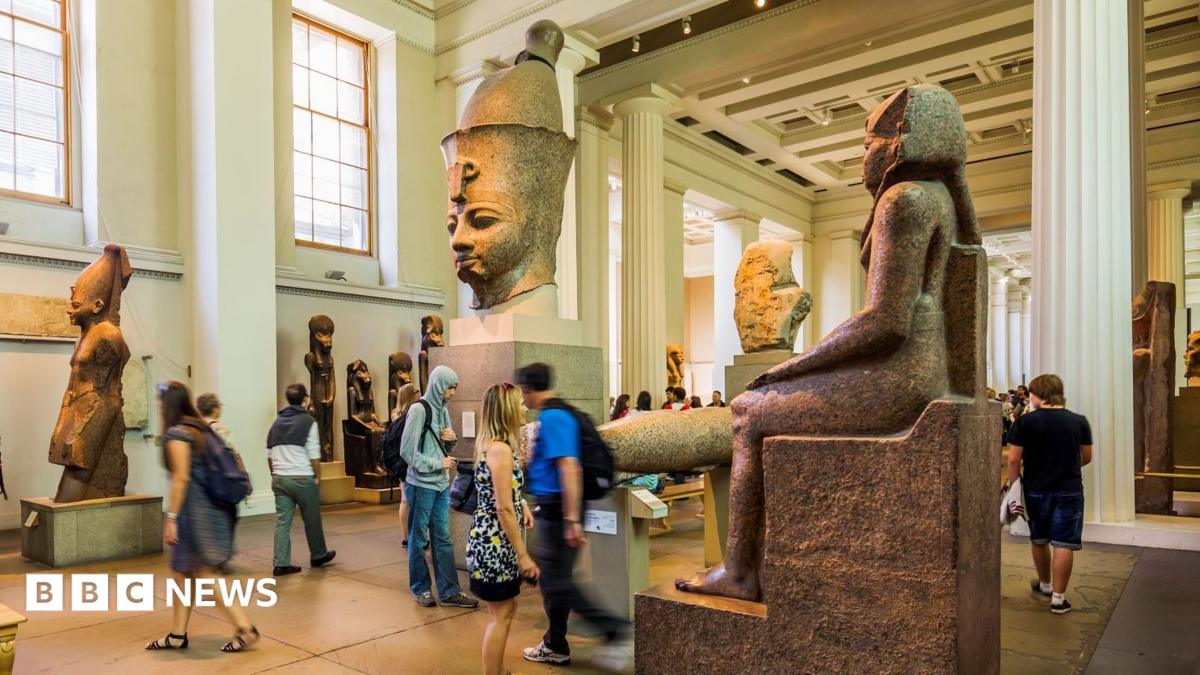
The DCMS said national museums contribute more than £1bn a year to the economy and attract visitors from around the world, with the Natural History Museum and the British Museum drawing 7.1 million and 6.4 million visitors respectively in 2025.
The Natural History Museum’s director Dr Doug Gurr said although his museum would have benefitted from charging, the sector would have lost out overall.
“Free museums aren’t a cost to the economy – they’re a key reason the economy benefits from tourism in the first place,” he said.
“So, we’re delighted to remain free but given the visitors we bring there’s a strong case for reinvesting a share of any tourism revenues in the institutions that help attract them.”
Nicholas Cullinan, director of the British Museum, said: “When the British Museum was founded as the world’s first public national museum in 1753 it was to be free for ‘all persons’.
“So, we are delighted by the government’s announcement that free entry for all will be maintained.
“This will allow everyone to enjoy and have access to our great museums across the nation as one of the things this country does so brilliantly.”
The government also pointed to £760m in funding for museums through its £1.5bn Arts Everywhere Fund, as well as £600m in infrastructure funding for national museums.
It said the £13.6m museum transformation programme would help organisations move towards more sustainable business models, while ministers would work with the Arts Council and the sector on a long-term strategic plan for museums, with further details to be announced.
Listen to the best of BBC Radio London on Sounds and follow BBC London on Facebook, external, X, external and Instagram, external. Send your story ideas to hello.bbclondon@bbc.co.uk, external