

Listen to this article
Estimated 4 minutes
The audio version of this article is generated by AI-based technology. Mispronunciations can occur. We are working with our partners to continually review and improve the results.
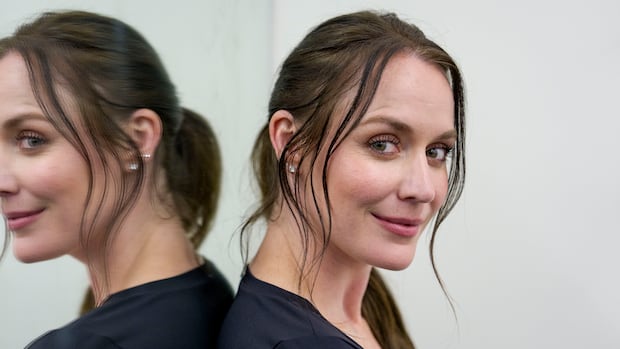
For most of her life, Tessa Virtue has built a career on control.
On the ice, she learned to find the precise balance point on a blade, trust a partner implicitly and make even the most difficult movements look effortless.
With Scott Moir, she transformed ice dance into storytelling built on speed, precision, trust and emotion. Together, they won three Olympic gold medals, three world titles and a permanent place in Canadian sports history.
Now, Virtue is being asked to do something that runs against much of what made her an elite athlete: lose her balance, embrace uncertainty and perform alone.
Her new contemporary dance solo, choreographed by Alyssa Martin, a creative producer with the National Ballet of Canada, premieres Oct. 15 at the Fall for Dance North Festival in Toronto, where Martin is the artist-in-residence. It is Virtue’s first major performance on a stage rather than in a rink — and a return to the art form she first loved.
Virtue says she feels excited and honoured to be asked to participate, but the opportunity has also brought mixed emotions.
“It feels very much like returning to something and also utterly terrifying, but I think that’s what’s making this feel kind of electrifying and invigorating,” she told CBC News.
WATCH | Tessa Virtue wanted to partner up with Scott Moir again: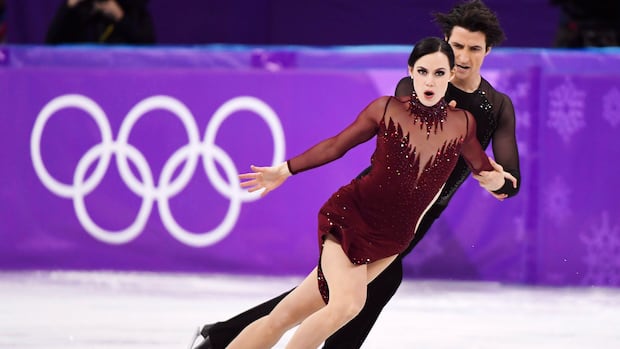
Why Scott Moir won’t be Tessa Virtue’s dance partner this time
Tessa Virtue reveals she originally asked longtime skating partner Scott Moir to join her on stage. Instead, she’s found support through her creative collaborators and the wider dance community.
Dance was Virtue’s first love. She began at three, and dance studios became places of comfort whenever skating took her away from home — first at 13, then again when she moved to Michigan at 15.
But returning to dance has not meant simply transferring the skills she developed as an ice dancer onto a stage. Virtue says the two forms demand fundamentally different relationships with the body.
“On the ice, I was technically proficient at finding the balance point on my blade,” Virtue said. “In dance, it turns out the momentum and energy that you can create on stage comes from actually tipping off axis and playing with the recovery of that.”
For Virtue, that has meant moving away from the controlled perfection demanded by elite skating and toward something looser, riskier and more exposed.
She describes the process as embracing “the messiness and the raw feelings” — a shift she calls cathartic for her nervous system.
The solo also marks the first time in years that Virtue has performed alone. She even asked Moir whether he wanted to join her for a duet.
“He’s busy coaching his other athletes and he has a life,” she said, laughing.
Instead, Virtue found a new kind of partnership in the rehearsal room and through the wider dance community. Martin says she was drawn to Virtue’s performance style long before they began working together.
WATCH | Tessa Virtue’s solo dance debut will feature a Céline Dion song: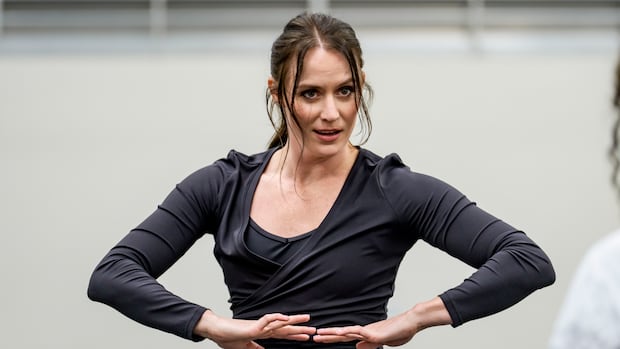
Why a Céline Dion ballad was perfect for Tessa Virtue’s dance debut
Tessa Virtue explains why Céline Dion’s It’s All Coming Back to Me Now was the perfect choice for her first solo dance performance. From its gentle moments to dramatic bursts, the song gives Virtue room to explore movement and emotion.
“There’s something that she brings to her performances that is just so authentic and open and generous,” Martin told CBC News. “That generosity is not quiet at all. It’s quite loud and just so overflowing with this warmth and this power.”
The work is set to Céline Dion’s It’s All Coming Back to Me Now, a song chosen by Martin, who says she immediately knew Virtue could bring power to it.
Robert Binet, Fall for Dance North Festival’s artistic director and co-CEO, says the collaboration is exactly the kind of artistic risk the festival hopes to encourage.
“It’s a real adventure in bringing two artists who have had very different artistic upbringings and careers together, but who share this absolute love of dance,” Binet said.
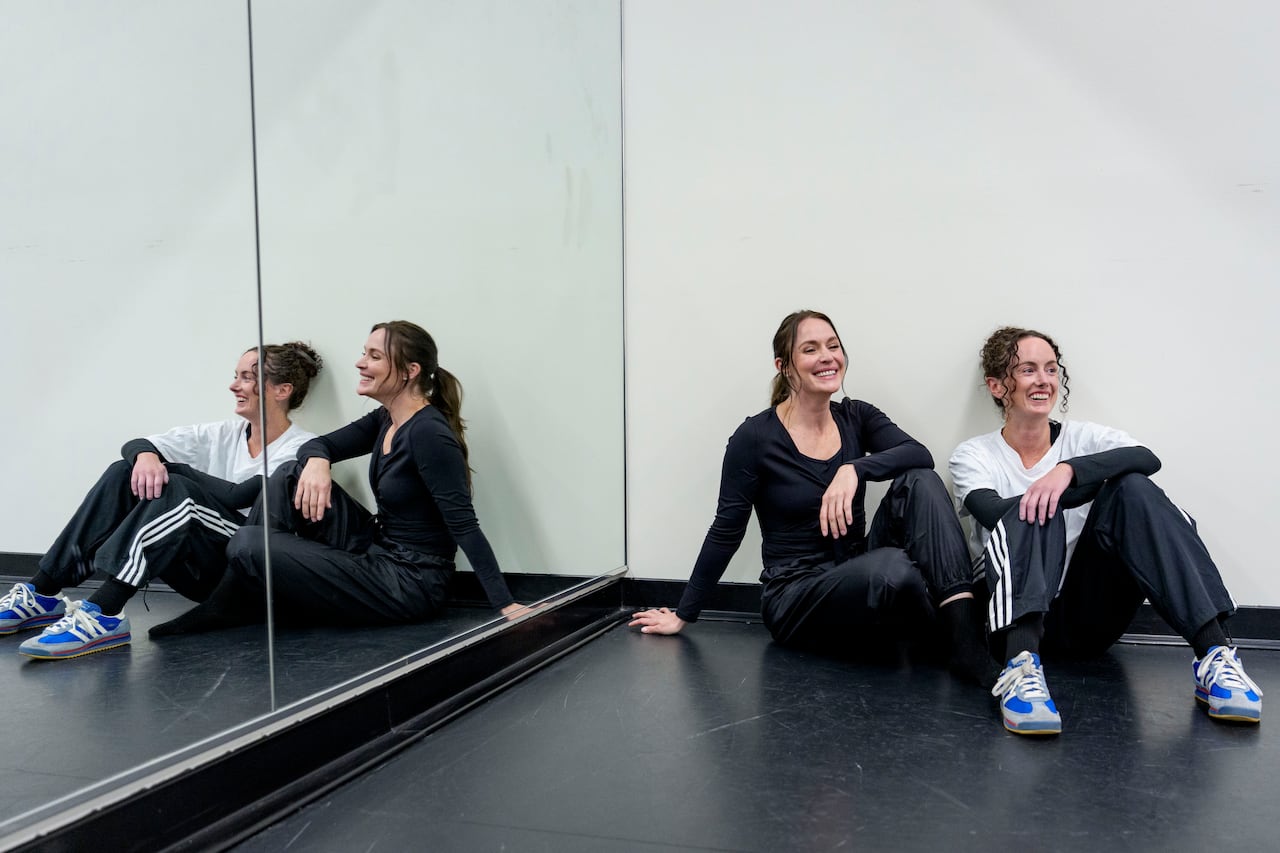 Tessa Virtue, left, and choreographer Alyssa Martin during rehearsal at a studio space at Meridian Hall in Toronto on Sept. 28. (Evan Mitsui/CBC)
He hopes audiences will see Virtue in unfamiliar territory, and recognize that the qualities that made her an extraordinary ice dancer can travel beyond the rink.
“People know her as the most extraordinary ice dancer in the world,” he said. “I really want people to see that if you love ice dance, you also love dance, and it’s just about people moving to music and sharing parts of themselves with you.”
Virtue, meanwhile, hopes audiences remain open to whatever they feel.
“You don’t need to know the vocabulary of dance,” she said. “You just need to enjoy and remain open to feeling something.”
 An animated GIF shows Tessa Virtue rehearsing for her solo dance performance in Toronto. (Evan Mitsui/CBC)
As for what comes next, Virtue says she’s leaving the door open.
“While I might not always feel confident in taking on a challenge, I can always be courageous,” she said.
Virtue’s solo premieres Oct. 15 at Fall for Dance North in Toronto. The festival runs Oct. 15-25.