
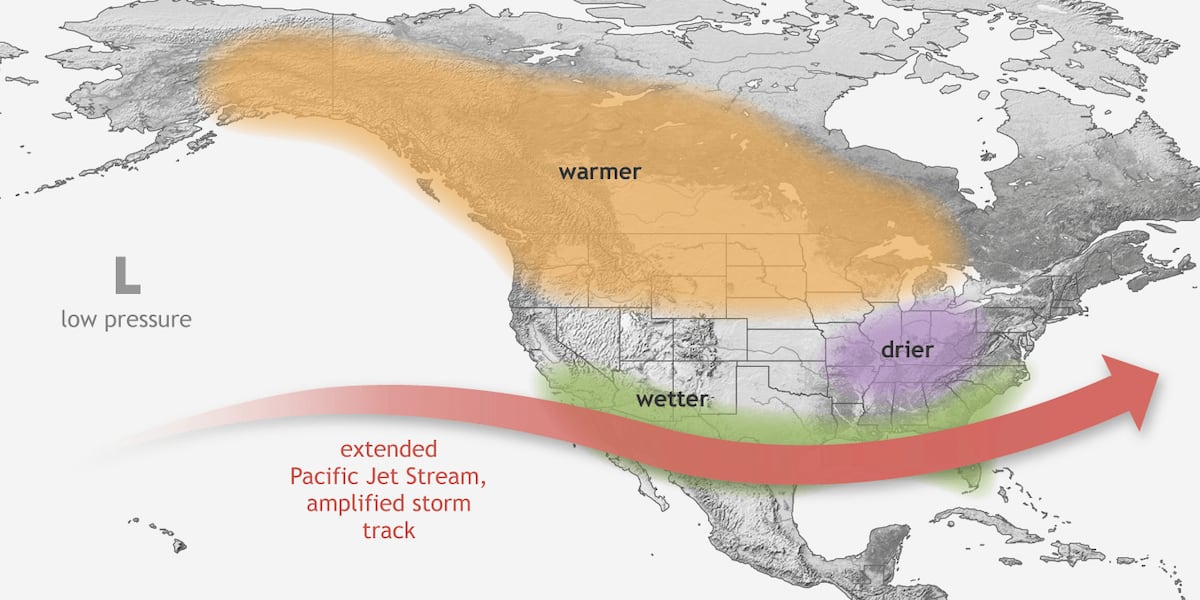
CHARLOTTE, N.C. (WBTV) – The WBTV First Alert Weather Team has been warning for months of a building “super El Nino,” and it just started building over the past few weeks.
El Nino is a climate phenomenon that happens recurringly, but at irregular intervals.
El Nino is part of the natural climate cycle in which sea-surface temperatures and atmospheric circulation in the Pacific swing between warm (El Nino), cool (La Nina), and neutral phases.
So, what is a super El Nino?
A super El Nino is an unusually intense warming of the tropical Pacific Ocean that can reshape weather patterns across the globe for months at a time.
When El Nino becomes exceptionally strong, as we’re seeing now in late September 2026, it’s often defined by a dramatic warming of 3 to 4 degrees Fahrenheit in the Pacific Ocean. Its impacts tend to be extreme.
Historically, only a handful of events have reached the “super” category, and they are often remembered for major global disruptions.
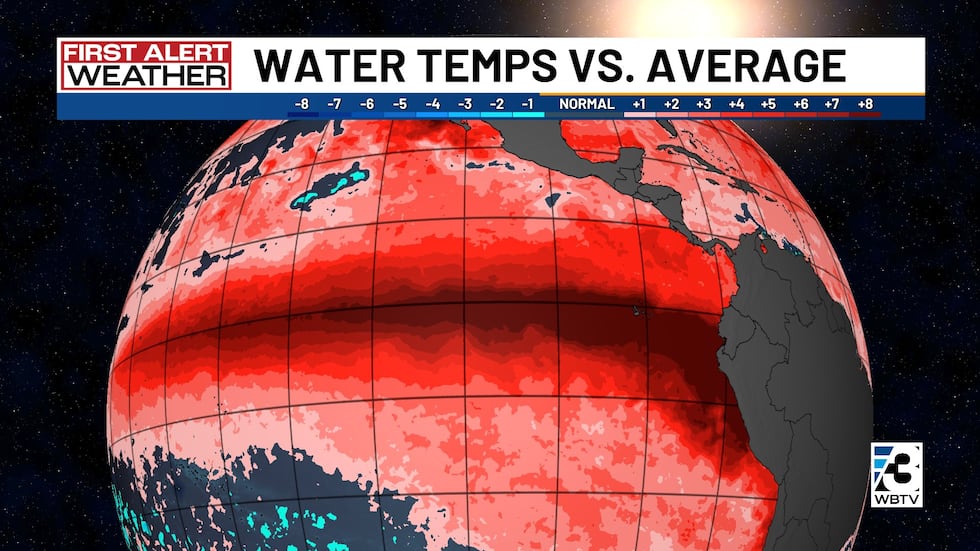 Super El Nino WBTV(WBTV)How a super El Nino changes the atmosphere
El Nino doesn’t “cause” a specific storm, but it loads the dice by adjusting large-scale patterns, increasing the likelihood of extreme weather events.
Key mechanisms include the shifting of upper-level patterns that drive weather systems, and shifting jet streams that bring increased storminess to some areas, and drought to others.
Super El Nino and hurricanes: What it tends to do (and what it doesn’t)
A strong El Nino can influence tropical cyclone basins differently.
El Nino often increases upper-level westerly winds over the tropical Atlantic Ocean, boosting a sudden change in wind speed and/or direction. That change, known as wind shear, can suppress hurricane formation and intensification.
So far in the 2026 hurricane season, there have been eight tropical storms in the Atlantic basin, but incredibly, no hurricanes!
—> Related: Hurricane-less season off to record start in Atlantic: What to know
That said, the Atlantic can still produce destructive storms in El Nino years — and the season is far from over.
Local ocean warmth and short-term patterns can temporarily overcome and overpower the expected effects of El Nino.
In the Pacific Ocean, the pattern typically becomes more favorable for hurricane activity, as we’ve seen this season, often shifting where storms form and how they track.
Bottom line: El Nino is a meaningful seasonal factor, but its impacts are not a guarantee.
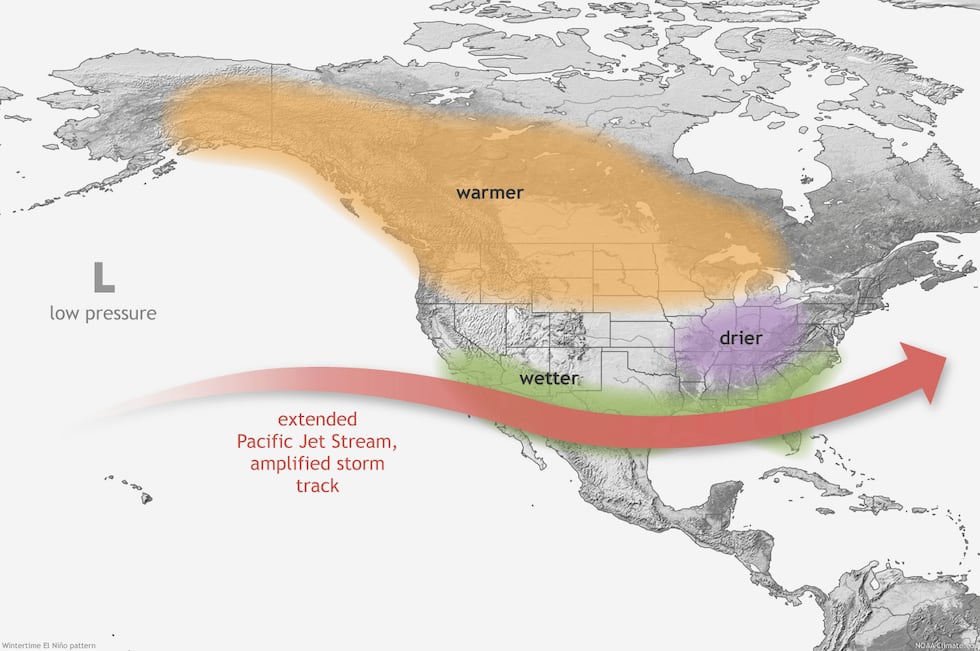 Super El Nino WBTV(WBTV)Why super El Ninos seem especially disruptive today & how they impact North Carolina
Even though El Nino is natural, today’s climate background is warmer than it used to be.
That matters because warmer oceans fuel more storms, and a warmer atmosphere holds more water vapor, which can amplify rainfall rates when storms do form.
This doesn’t mean El Nino “causes climate change,” but it does mean El Nino events play out on a different baseline than they did decades ago due to the current warmth.
In the Carolinas, a super El Nino most often shows up in early winter by shifting the jet stream — which means storm systems track across the southern U.S. more often.
Here are some of the impacts El Nino can have on the North Carolina:
Wetter: Higher odds of frequent coastal low pressure systems and flooding episodes, though not constant rain.Milder: Fewer prolonged Arctic outbreaks, especially vs. La Nina winters.Snow is “boom-or-bust”: Seasonal snowfall often ends up near normal, but there’s a higher “big storm” potential if a coastal low pressure system teams up with a cold-air damming wedge in a classic North Carolina setup.Severe weather: Cool-season severe risk can be higher than average with more Gulf moisture and stronger jet stream dynamics.Spring carryover: If the pattern persists, early spring can stay unsettled and wet.
Download the free WBTV Weather app on your mobile device to receive weather alerts and to get the latest forecast on the go. You can also catch the latest forecast on WBTV’s streaming app — find it in the app store on your smart TV or streaming device.
Copyright 2026 WBTV. All rights reserved.