
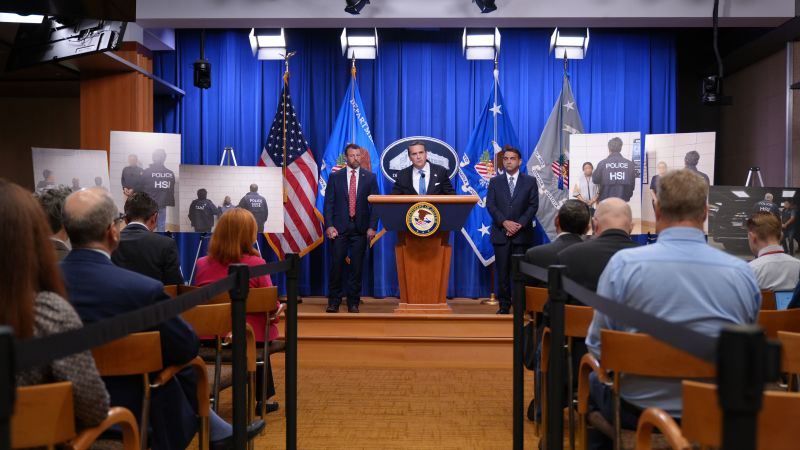
The Justice Department filed a judicial misconduct complaint against nearly all the federal judges in Minnesota, Attorney General Todd Blanche announced on Wednesday, escalating tensions between the Trump administration and the judicial branch.
The administration’s demand that the judges be disqualified from immigration-related cases was prompted by a recent New York Times article in which six federal judges described the Justice Department’s failure to comply with court orders during an immigration-enforcement surge as a grave threat to the rule of law.
In their comments, judges focused on how DOJ staffing shortages appeared to inhibit the administration in its ability to comply with their orders – similar to comments they have previously made in legal settings. But Blanche on Wednesday said the comments were “overtly political” in violation of judicial rules and that they reflected an “an obvious bias” against the Department of Homeland Security.
While the ethics complaint is pending at the federal appeals court that the oversees Minnesota’s federal bench, Blanche is calling on the district court judges to recuse from DHS-related cases.
The demand, however, may not have much impact, as previous efforts and public complaints have gone nowhere — and the bar for disqualification of judges is high.
The Trump administration has tried various tactics to strike back at judges they see as hostile to President Donald Trump’s agenda. That has included an unsuccessful DOJ lawsuit – filed against the entire federal bench in Maryland – challenging an order covering that court that limited the ability of the administration to quickly remove migrants who are challenging their deportations.
It has also included a willingness by top Trump officials to use exceptionally sharp language to publicly call out judges by name for rulings they disagree with.
As courts across the country have faced aggressive public pushback from the president and his allies for rulings that that blocked Trump policy initiatives, judges have sounded alarms about how the heated rhetoric has raised the specter of threats and intimidation.
“These judges talked to the media, or at least to the New York Times, about cases, some of which are ongoing, in a matter that the department views as a clear violation of their ethical duties,” Blanche said.
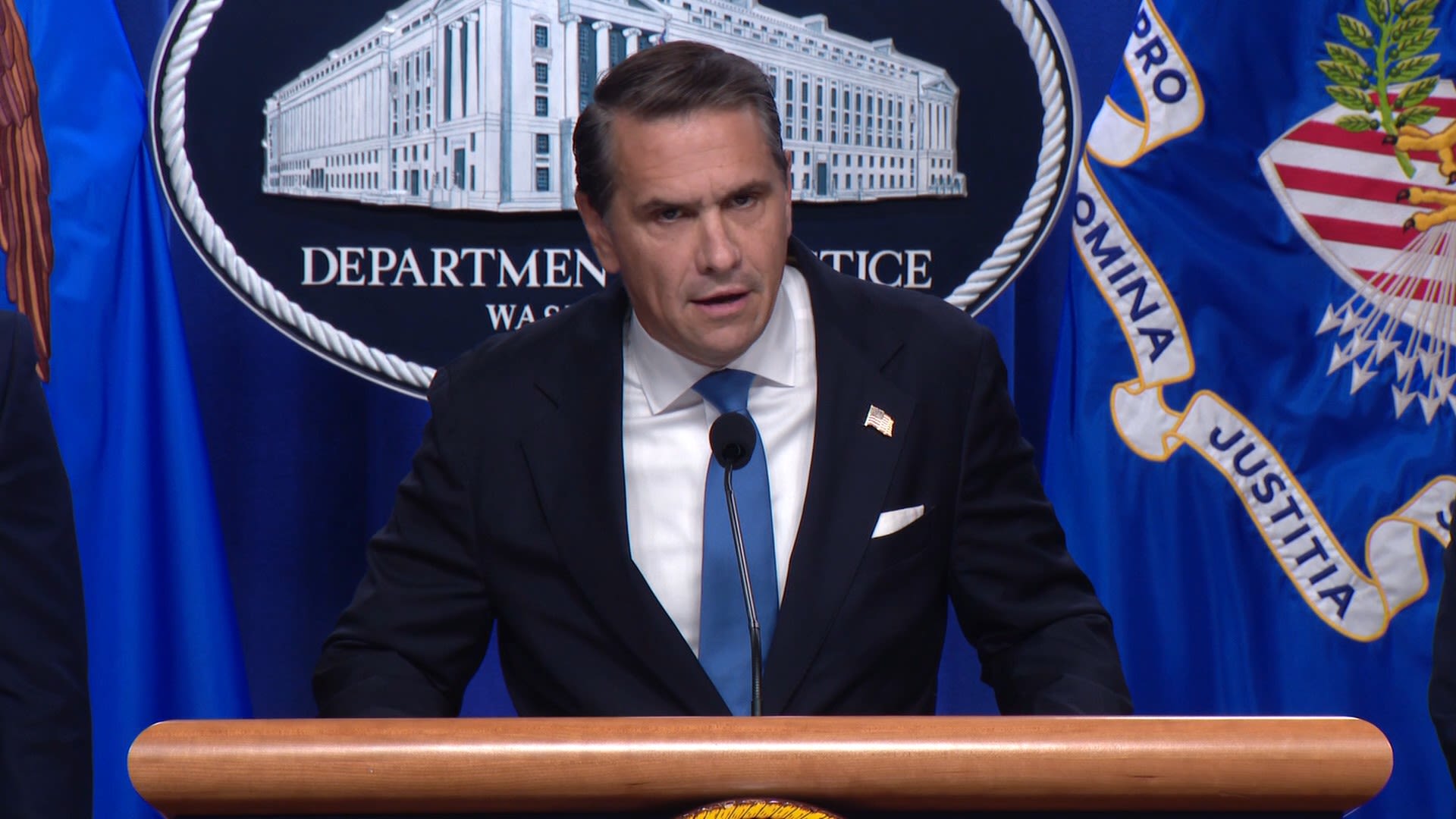
Attorney General accuses Minnesota judges of bias

Attorney General accuses Minnesota judges of bias
0:46
The latest Justice Department campaign against Minnesota’s federal court taps into a debate in the legal world over whether it’s appropriate for judges to criticize the administration’s actions in commentary outside the confines of a legal proceeding.
The extraordinary legal disputes that arose from unprecedented actions taken by Trump and his deputies at the beginning of his second term led to notable examples of judges speaking out — both in on-the-record contexts, and in anonymous interviews with press outlets — about their concerns of an assault on democratic norms. Their comments at times took aim not just at the Trump administration, but also at the Supreme Court for how it has frequently reversed lower court rulings against the administration with little explanation why.
Sen. Chuck Grassley of Iowa and Rep. Jim Jordan of Ohio, the Republican chairs of the Senate and House Judiciary Committee called on Chief Judge John Roberts to put a kibosh on judges talking to the press — particularly when done in an anonymous fashion — in a letter highlighting criticism from lower court judges of how the Supreme Court reversed their rulings against Trump with little explanation.
The committee on conduct for the Judicial Conference — a policy-making entity for federal judges that Roberts oversees — ultimately offered more nuanced guidance.
An ethics advisory issued for judges in February said there was room in “some circumstances” for them to offer “measured defense of judicial colleagues from illegitimate forms of criticism and attacks that risk undermining judicial independence or the rule of law.”
The advisory said that violence, intimidation, disinformation and threats to defy court orders were all examples of “illegitimate” activity judges could speak out about. But it also instructed judges to consider the “tone, context, and form” of what they’re saying — including in situations where a judge is speaking anonymously to the press.
The handful of judges quoted in the New York Times report were speaking on the record, not anonymously, though the report said the outlet spoke to seven judges in total. One of them, an appointee of Trump’s during his first term, seemed to refer to the recent ethics guidance.
“We are allowed to speak out about judicial independence,” Judge Nancy E. Brasel told the New York Times. “And so we should, in order to keep it.”
Blanche on Wednesday, however, argued that the comments were political in nature and that they touched on cases that were still pending in violation of judicial rules. The Justice Department’s complaint targeted the six active judges who participated in the story — a seventh active judge on the court did not talk to the Times.
This story has been updated with additional information.