
For Western leaders, the Kremlin’s plans to raise defence spending even further, financed with massive new tax increases, will merely confirm their fears about Vladimir Putin’s ultimate aim of provoking a broader conflict with the Nato alliance.
After Nato secretary-general Mark Rutte issued his wake-up call last year that Russia could mount an attack against the alliance within five years, there have been numerous warnings that some form of Russian aggression could take place even earlier.
Only last week Polish foreign minister Radosław Sikorski told a meeting at the UN General Assembly that Moscow is “cooking up something big this year”, while some European intelligence chiefs are warning that Russia could attempt to test Nato’s defences within “months, not years”. Mounting concerns over Putin’s intentions towards Nato are said to explain the decision by CIA director John Ratcliffe to fly to Moscow in late August to warn Putin of the risks he faced if he did provoke a confrontation with the Western alliance.
Reports that Moscow is planning to raise military spending in 2027 by a whopping 27 per cent will merely confirm the view that, despite the numerous setbacks Putin has suffered during the Ukraine conflict, the Russian leader has lost none of his appetite for provoking a wider European war.
But Putin’s aggression is also coming with an increasingly high cost for Russia itself. Increasing defence spending to £154bn next year – more than twice the size of the UK defence budget, and well over 7 per cent of GDP – will only increase the hardship of ordinary Russians, for whom the personal cost of the Ukraine conflict is becoming abundantly clear.
The increase means that around 35 per cent of the Kremlin’s total budget will be spent on a conflict that was only supposed to last a few weeks at most when Putin first launched his “special military operation” against Ukraine in February 2022.

Vladimir Putin is pumping 17.1 trillion roubles (£154bn) into his war effort – a record sum since the invasion of Ukraine began – Vyacheslav Prokofyev
Since then his forces are estimated to have suffered 1.5 million casualties, including 500,000 fatalities, as his military campaign has effectively ended in stalemate. The conflict’s impact on the Russian economy has been equally dire, with household incomes falling and public spending on essential services, such as health and education, being drastically cut. Some Russian regions have cut health costs by more than a third during this year alone.
Nor is there much prospect of any revival in Russia’s economic fortunes as Western sanctions continue to impact Moscow’s ability to maintain oil and gas exports at pre-war levels. Ukrainian attacks on Russia’s energy infrastructure are having similarly deleterious effects. Swathes of Russia suffered fuel shortages over the summer.
Putin’s decision, therefore, to divert even more of the country’s resources into fuelling the Kremlin’s war machine should be seen as a desperate gamble, one that could ultimately lead to the collapse of his despotic regime.
The Russian regime’s plan to raise the budget allocation for defence to levels not seen since the collapse of the Soviet Union in 1991 should certainly serve as a sobering reminder of the potential pitfalls Putin faces if his gamble does not pay off.
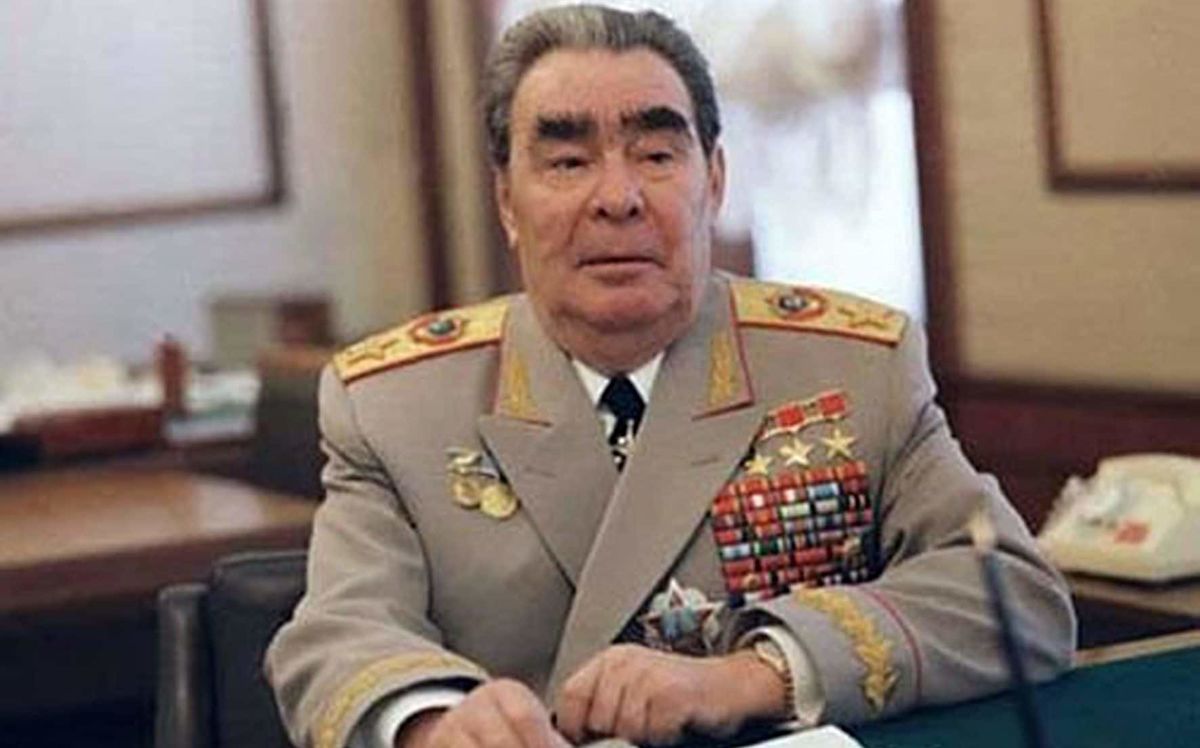
Soaring Soviet expenditure on defence from Brezhnev in the 1960s onwards, compounded by Moscow’s disastrous military intervention in Afghanistan from 1979-1989, was one of the key factors that ultimately resulted in the Soviet bloc’s eventual disintegration. On top of the massive economic distortions it resulted in, including shortages of consumer goods, it resulted in powerful vested interests and huge inefficiencies in the military-industrial complex. The Ukraine conflict is proving just as costly for the Kremlin as the Soviets’ Afghan misadventure.
It was a point, moreover, that Ratcliffe was keen to stress to Russian officials during the CIA director’s surprise visit to the Kremlin. Apart from bluntly telling his Russian hosts that “Russia is losing the war” in Ukraine, he was at pains to remind them that the current parlous state of the Russian economy showed all the signs that the country faced the risk of a Soviet-style collapse.
A subsequent CIA report of the meeting circulated to Western intelligence agencies said that Ratcliffe had concluded the Russian economy “will collapse, just as it did in the Soviet Union at the end of the Cold War”. The ongoing impact of US sanctions on Russia would be a significant contributing factor to this process.
Seen in the context of Ratcliffe’s warning, Putin’s decision to divert precious resources to increasing the defence budget seems perverse, especially as the announcement comes after his special envoy, Kirill Dmitriev, met with US officials earlier this week for talks on ending the Ukraine war. If Putin is really serious about ending the war, then why increase defence spending?
It could be that, despite the inherent weakness of his position, Putin is still trying to send a message to the Trump administration that he has no intention of backing down unless his peace terms are met in Ukraine. But, by repeating the same mistakes the Soviet Union made in raising defence expenditure to unsustainable levels, the Russian leader could ultimately find himself facing the same fate as his Soviet forebears.