
The government approved an extension on Wednesday of the emergency framework allowing the IDF to call up reservists under Order 8 through November 30, while reducing the maximum number of call-ups from 240,000 to 200,000, according to a proposal submitted by the Defense Ministry.
Ministers approved two security-related decisions in a telephone vote. The first extends the authority to call reservists into service under Order 8. The second extends by two months the declaration allowing special arrangements for the detention of unlawful combatants.
A legal opinion prepared by the defense establishment devoted considerable attention to the continuing toll on the reserve system. The decision, it said, raises “extremely significant difficulties regarding equality,” since the burden on those who actually serve continues to increase while the state has not fulfilled its obligation to ensure equitable conscription across all sectors of the population.
The opinion also noted that the government has not expanded the range of sanctions or sufficiently enforced conscription requirements against draft evaders. The result, according to the opinion, is a situation in which “with one hand the government increases the burden on reservists, and with the other it does not act to enforce the conscription obligation on draft evaders.”
Haredi conscription remains central to reserve burden
The issue of haredi (ultra-Orthodox) conscription also features prominently in the explanation for the continuing need for reservists. According to the IDF’s position, expanding the reserve system cannot replace fully utilizing the manpower available through mandatory service, which has a “dramatic impact” on force building.
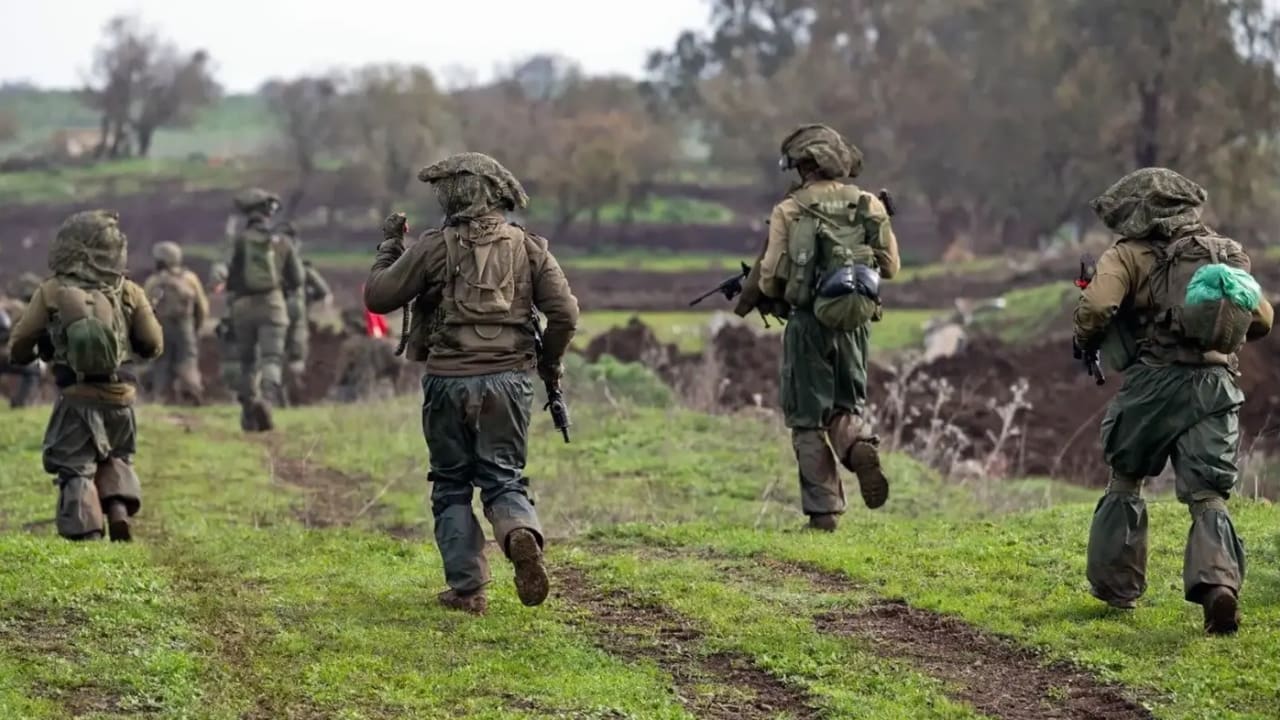
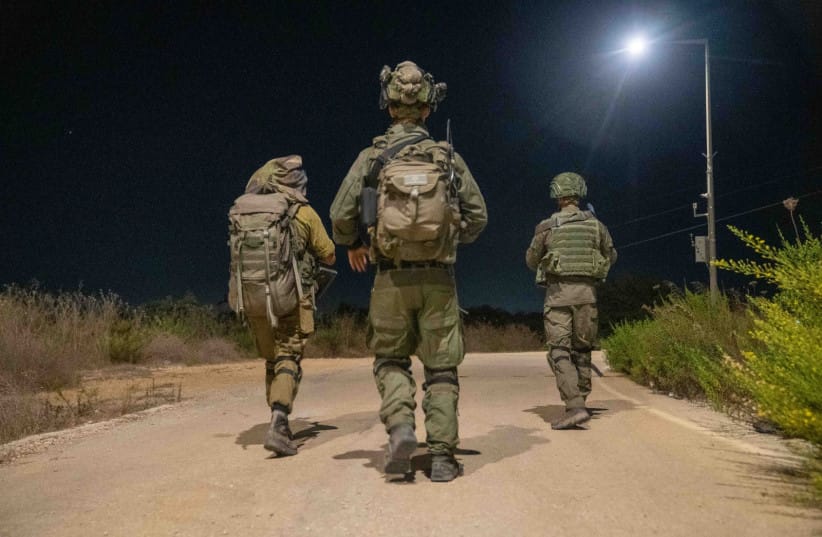 IDF soldiers in the Golani Brigade’s reservist 9th Brigade complete an exercise in Israel’s northern border. (credit: IDF SPOKESPERSON’S UNIT)
Call-up orders have been sent to draft-eligible members of the haredi public, and the IDF has stepped up enforcement against draft evaders, but the disparity in the distribution of the burden remains. Despite this, defense officials maintain that the security situation and the IDF’s needs do not currently allow the military to end Order 8 reserve call-ups.
In its explanatory notes, the Defense Ministry justified extending the order on the basis of continuing threats, IDF activity in multiple sectors, and operational requirements.
The size of the call-up framework has changed several times over the course of the year. On March 24, amid Operation Roaring Lion and operations against Hezbollah and in other sectors, a framework of up to 400,000 reservists was approved through May 31.
On July 26, a framework of up to 240,000 was approved through September 30. The proposal now approved by ministers will allow up to 200,000 reservist call-ups through November 30, a reduction of 40,000 from the framework expiring on September 30.
The 200,000-call-up framework does not mean that 200,000 reservists may be serving simultaneously. Rather, it is the maximum number of reservist call-ups that may be issued under the order throughout the period.
As a rule, a soldier who is released and subsequently called up again will be counted as an additional call-up, subject to exceptions stipulated in the order. Each call-up will take place only after the available standing forces have been fully utilized and will require individual approval from the head of the IDF Operations Division’s Operations Brigade or the official responsible for recruitment and readiness within the brigade.
Nearly three years after October 7, the exceptional use of Order 8 remains necessary, according to the Defense Ministry, because the statutory limitations on reserve service do not allow the IDF to maintain the required force levels for extended periods.
Under the ordinary legal framework, the maximum number of reserve-duty days over a three-year period is 54 days for enlisted personnel, 70 days for commanders, and 84 days for officers. Operational duty may ordinarily be performed once every three years for a period of up to 25 days.
The proposal states that Israel’s security needs require maintaining significant troop levels in various sectors for far longer periods, necessitating the continued use of Order 8 call-ups.
The proposal also details steps taken to increase the manpower available to the IDF and ease the burden. Tens of thousands of reservists have been returned from manpower pools to active units, reserve exemptions have been canceled for thousands of soldiers, and the reserve exemption age has been raised to 49 in certain essential professions and units.
In July, a temporary provision stipulated that mandatory service would remain 32 months and would not be shortened to 30 months over the next three years. The defense establishment had originally sought to extend men’s mandatory service to 36 months, but the Knesset approved only part of the measure.
According to data attached to the proposal, the total cost of reserve-duty days carried out under Order 8 from January through August stood at NIS 26.7 billion, while the average cost of one day of reserve duty under Order 8 is estimated at approximately NIS 1,000.
The estimated cost of the proposed extension is based on the average volume of reserve-duty days between January and September. If that level continues through October and November, the estimated cost of the additional two months will be approximately NIS 6.6 billion.
Government also extends unlawful combatant detention framework
The second decision submitted for ministers’ approval extends the declaration under the Incarceration of Unlawful Combatants Law. The current declaration expires on September 30, and the government sought to extend it through November 30.
The extension means that the special arrangements introduced during the war regarding the detention of unlawful combatants will remain in force. These include the amount of time allowed before issuing a permanent detention order, the possibility of preventing a detainee from meeting with a lawyer, and the timetable for judicial review.
The ceasefire was signed in October 2025 and intensive ground maneuvers in the Gaza Strip were halted, but according to the Defense Ministry, conditions on the ground still justify extending the declaration.
IDF troops remain in enemy territory, friction continues in various sectors, and dozens of people suspected of involvement in terrorism continue to be detained. Thousands of unlawful combatants remain in detention, including detainees for whom permanent detention orders have not yet been issued and others who have been prevented from meeting with a lawyer.
The legal opinion stated that repeatedly extending the declaration “is not a trivial matter.” The number of new detainees has fallen, the ceasefire has already entered into effect, and terrorist organizations in the Gaza Strip no longer hold hostages.
Defense officials argue, however, that the IDF remains active on several fronts and that some detainees undergo complex investigations during which it is sometimes necessary to prevent them from meeting with a lawyer.
If the declaration expires, existing decisions preventing detainees from meeting with lawyers would expire immediately. In some cases, authorities would be required to issue a permanent detention order and bring the detainee before a court for judicial review before the investigation had been completed and the necessary factual basis had been established.
Against this background, the legal opinion concluded that although another extension presents difficulties, there is no legal impediment to approving it.
The arrangements currently in force are already narrower than those applied during earlier stages of the war. Under the latest amendment to the temporary provision, which entered into effect on July 1, a permanent detention order for an unlawful combatant must be signed within 18 days of detention, or within 10 days in the case of a minor.
The periods before judicial review were shortened by seven days, and the maximum periods during which a detainee may be prevented from meeting with a lawyer were also reduced.
The Defense Ministry stressed that these are maximum periods and that, in practice, efforts are made to shorten them in accordance with the security situation and the number of new detainees.
Both decisions are being made during an election period, when the government is subject to a heightened duty of restraint. The legal opinions determined that the decisions are urgent, security-related, and limited in duration, and are required because the two existing arrangements expire on September 30.
The opinions therefore concluded that there is no legal impediment to approving them during the election period.