
Staff from the 1990s: ‘Lots of money was available’
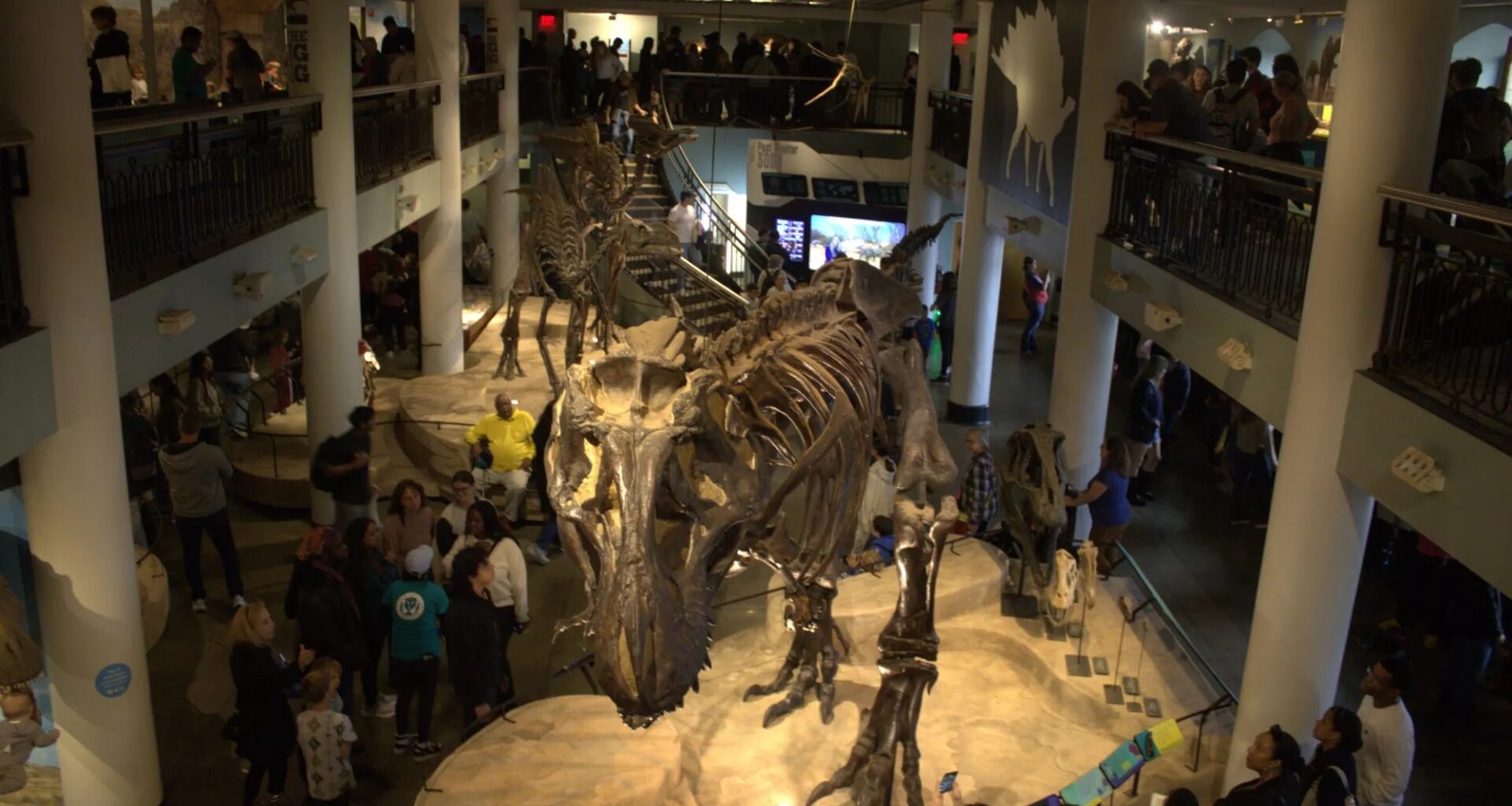
Staff at the museum in the 1990s remember hugely popular programs for families, school groups and wedding parties. Peter Cook, who managed overnight and weekend programs, recalled groups sleeping at the museum on Fridays and Saturdays, bringing in $300,000 a year. He said at its peak, the museum would have 40 to 45 overnight programs with 300 to 400 participants each night.
“We had a full schedule of bookings for people to come to the museum. Financially the museum was great. Between our income and the grants, state, federal, local foundations, lots of money was available,” Cook said.
He said it was the most fun job he ever had, recalling a moment he had when he was teaching a dinosaur class to school children and unveiled a sample of fossilized dinosaur poop, which helped scientists understand what dinosaurs ate.
“To 8-year-olds, this is funny,” he said. “Then the immediate reaction was, ‘ew.’ And occasionally I would hear a kid say, ‘cool.’ And I knew that it might be a budding scientist right there.”
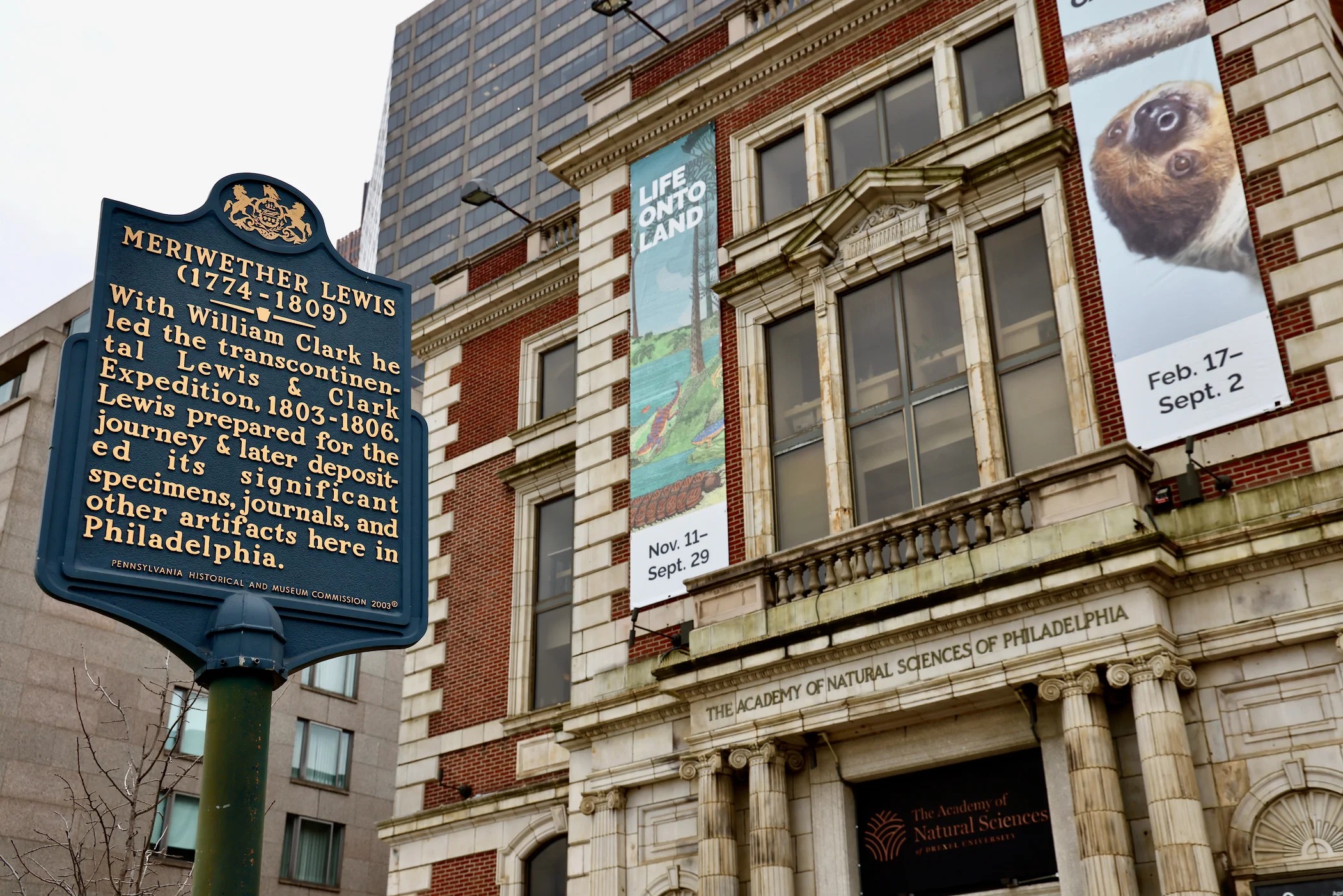 FILE – A formidable network of early scientists founded the Academy of Natural Sciences of Philadelphia. (Emma Lee/WHYY)
Cook said the building was very old, so there were maintenance issues, but the organization had money set aside for repairs and that there were no immediate problems that couldn’t be addressed.
“We never had a clogged toilet during an overnight, even though you had 300 people in the building using them,” he said.
The academy also had a large group of active volunteers eager to contribute to the organization, said Dusti Morton, who started as a volunteer, worked in live animal exhibits and helped manage overnight programs from the 1990s to the early 2000s.
It was also the home of the Women in Natural Sciences program, which had foundation and grant funding to introduce young women from public and charter high schools in Philadelphia to careers in science through after-school programs, serving mainly children from low-income, single-parent households.
Nancy Peter used to run the program from the early 1980s to the 1990s as the academy’s director of education. She said that in the years after she left, the program “really exploded.”
“It is one of the longest-running museum-based youth programs in the country,” she said. She added that its students have gone on to become successful scientists, and that there is ongoing federally funded research to follow the lives of students who joined.