
With rising home energy prices, LIHEAP heat benefits may fall short this winter

Nearly 5 million U.S. households receive heating assistance through the Low Income Home Energy Assistance Program. But this winter, these households could struggle to afford their heating bills and risk falling behind on utility bills.
U.S. households are projected to spend an average of $1,030 to heat their homes this winter, an $82 increase from last winter, according to the National Energy Assistance Directors Association. NEADA released its initial winter heating projections in mid-September and revised its heating oil cost estimate in late September. The $1,030 figure comes from the initial projection.
The average heating benefit households received in fiscal year 2025 was $467, according to the latest LIHEAP data.
If benefits average about the same as they did in 2025, families could be left to figure out how to cover more than $500 in additional heating costs.
NEADA is urging Congress to increase LIHEAP funding from $4 billion to $7 billion to help families manage rising home-energy costs.
Higher heating and electricity bills could leave families with less money for food, housing, transportation and other necessities, according to NEADA.
“This is a warning that too many families are entering winter with no room left in their budgets,” said Mark Wolfe, executive director of NEADA.
The projected cost increase comes as crude oil keeps trading above $100 a barrel as the conflict in the Middle East continues to disrupt global oil supplies. Households that primarily rely on heating oil will see the sharpest increase, with costs estimated to rise by 50% because of the war in Iran.
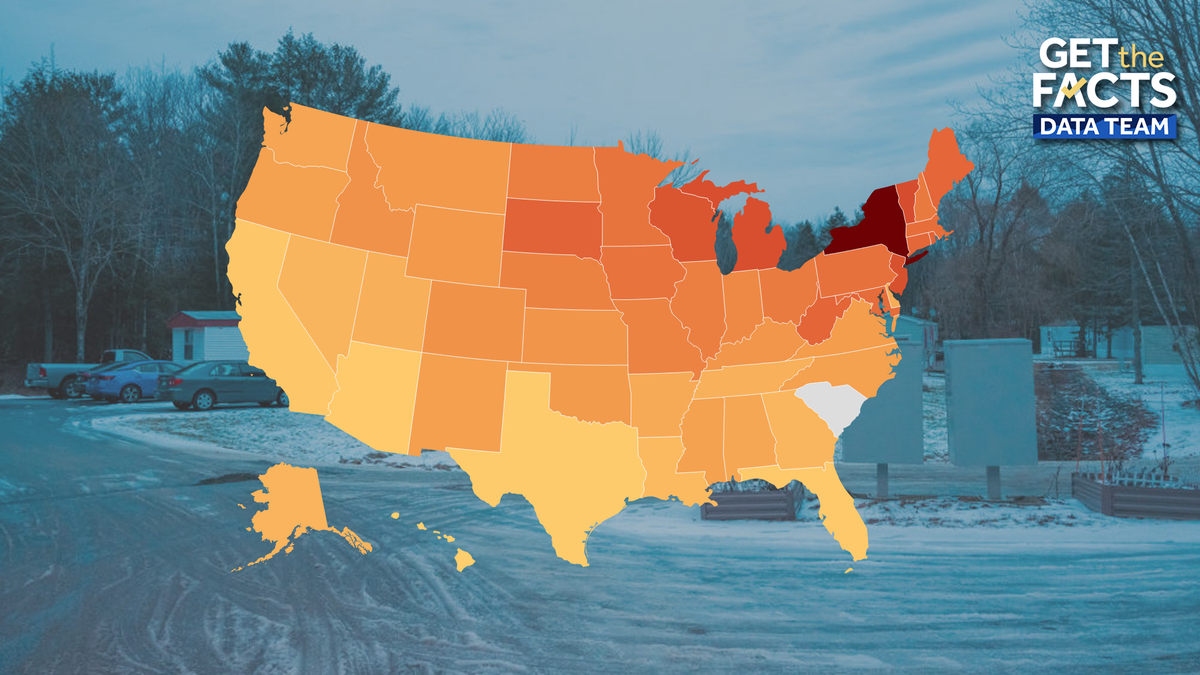
Share of households receiving LIHEAP heating benefits
About 14% of households in New York received LIHEAP heating benefits in fiscal year 2025, more than any other state, according to a Get the Facts Data Team analysis.
Vermont and Michigan each have nearly 8% of their households enrolled in the program.
The average benefit per household varies by state. Each year, all states and territories submit applications to receive funds, and the states decide how to distribute funds.
Alaska’s average household heat benefit was $1,554, the highest among the states. New Hampshire’s average benefit was the second highest at $1,045. Households in New Hampshire primarily rely on heating oil to heat their homes.
Households in the Northeast are projected to spend nearly $2,627 on heating oil from mid-November through mid-March this winter. That could leave families scrambling to cover more than $1,000 after receiving heating assistance.
“Winter is almost here, and families have very little time to prepare,” Wolfe said.