
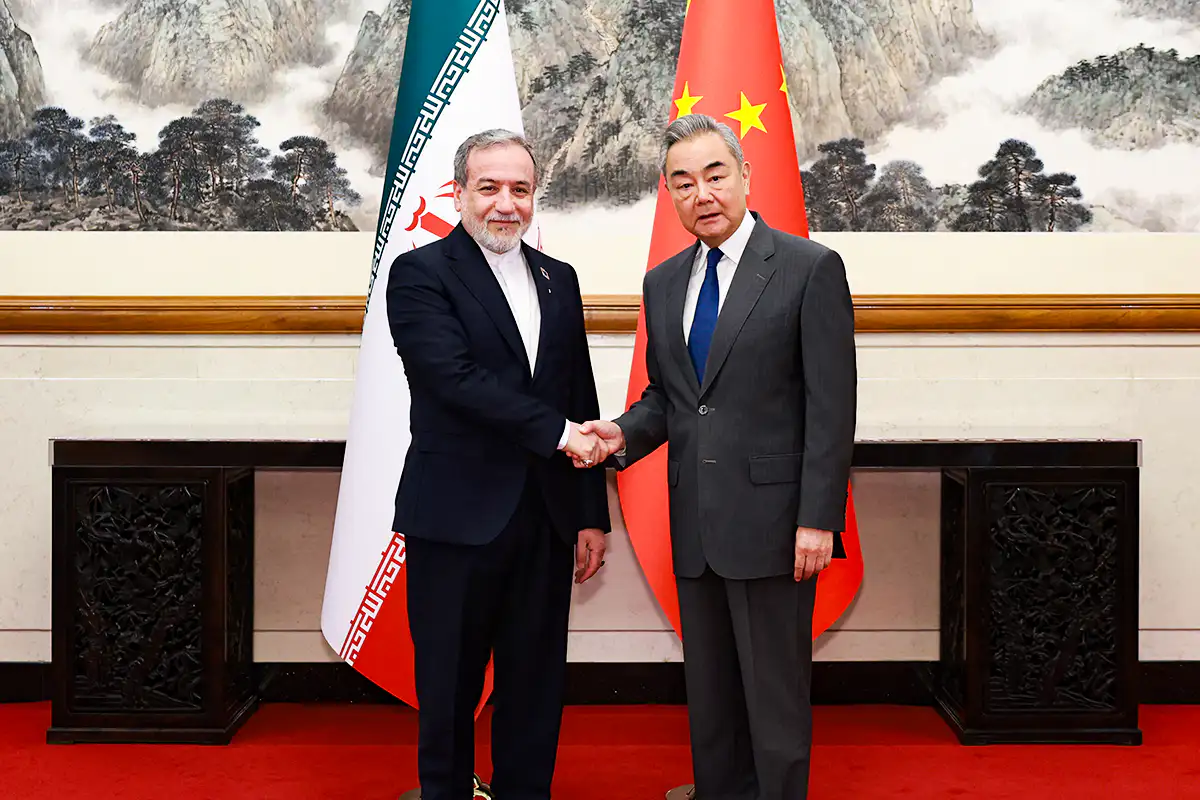
China is rapidly scaling back trade with Iran because Tehran is increasingly unable to pay for goods, possibly also as a result of the Trump-Xi Jinping summit in Washington about a week and a half ago.
Economic data and diplomatic officials familiar with the matter indicate that Beijing has concluded Iranian oil exports, which had supplied a significant share of the crude powering the Chinese economy, will not resume in the near future. China is therefore beginning to make adjustments.
One such measure is the suspension of Chinese refined petroleum exports, amid fears of a potential shortage and a desire to replenish domestic stockpiles. China is also reducing shipments of goods across the board to Iran, both because the sea route through the Strait of Hormuz has been blocked and because air routes have been shut down, along with the threat of US sanctions against countries and companies that operate flights to Iran.
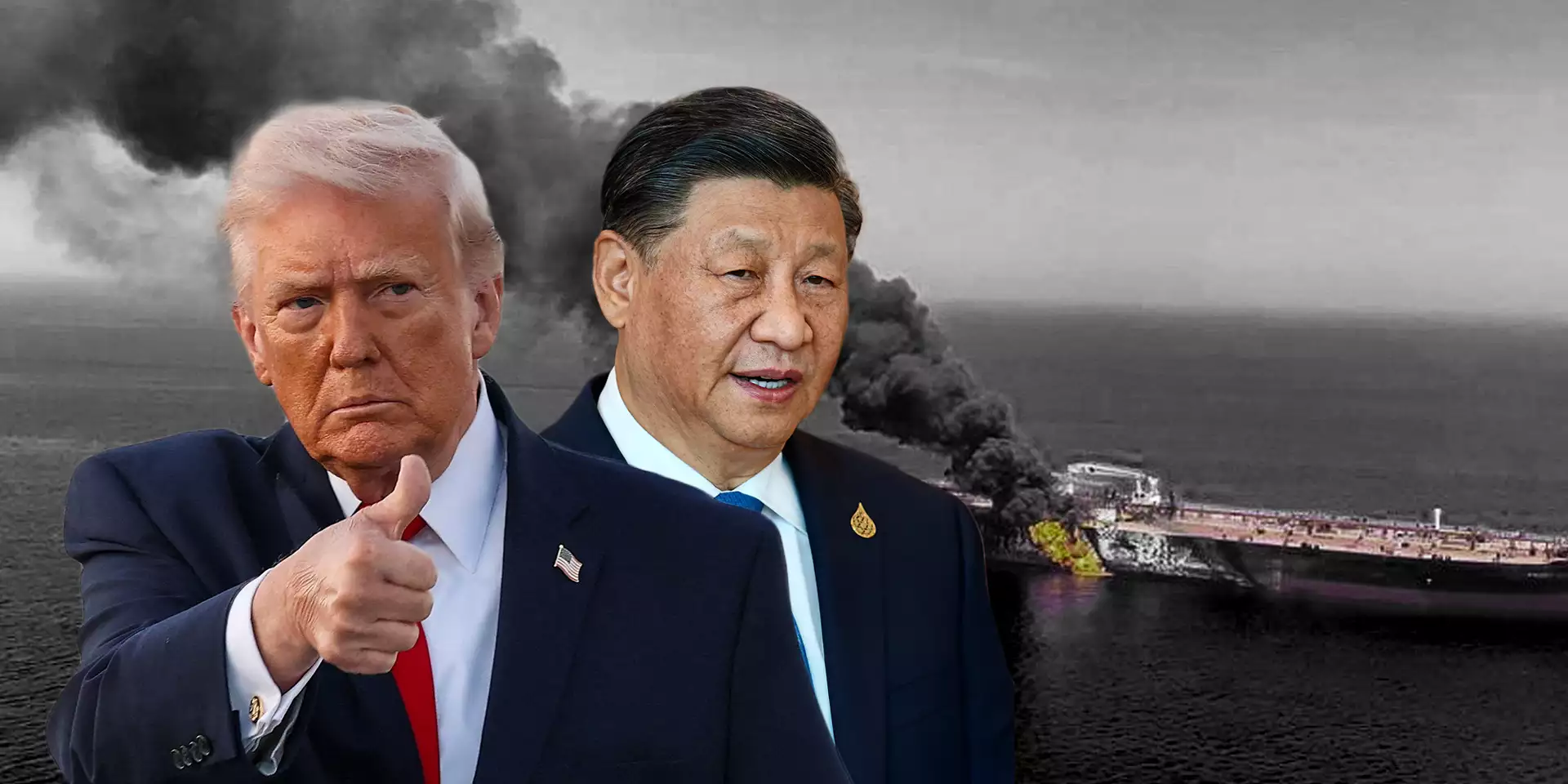 Trump and Chinese President Xi Jinping. Photo: AP, AFP
There is another, more significant reason. According to an analyst deeply familiar with China, Beijing believes the US is determined to maintain its economic pressure, while the Iranian leadership is not yet ready for a compromise. The chances that the war will end soon, or that Iran will manage to recover, are therefore slim.
For China, the economic and commercial implication is an end, albeit a gradual one, to its trading relationship with Iran. Beijing may nevertheless maintain at least some diplomatic ties with Tehran and shield it from far-reaching measures at the UN Security Council.
In Iran, currency collapses and inflation soars
Meanwhile, Iran’s economic crisis is intensifying. The US dollar has crossed the 2.7 million-rial mark on the open market, while the euro has risen above 3 million rials. An attempt by Iran’s central bank to halt the collapse through an emergency injection of about $2 million into the markets failed, and the currency continued to plunge.
The US naval blockade has succeeded in reducing Iran’s oil export revenues to almost zero. The regime is struggling to receive payments from the international customers that remain because of financial restrictions and the threat of sanctions.
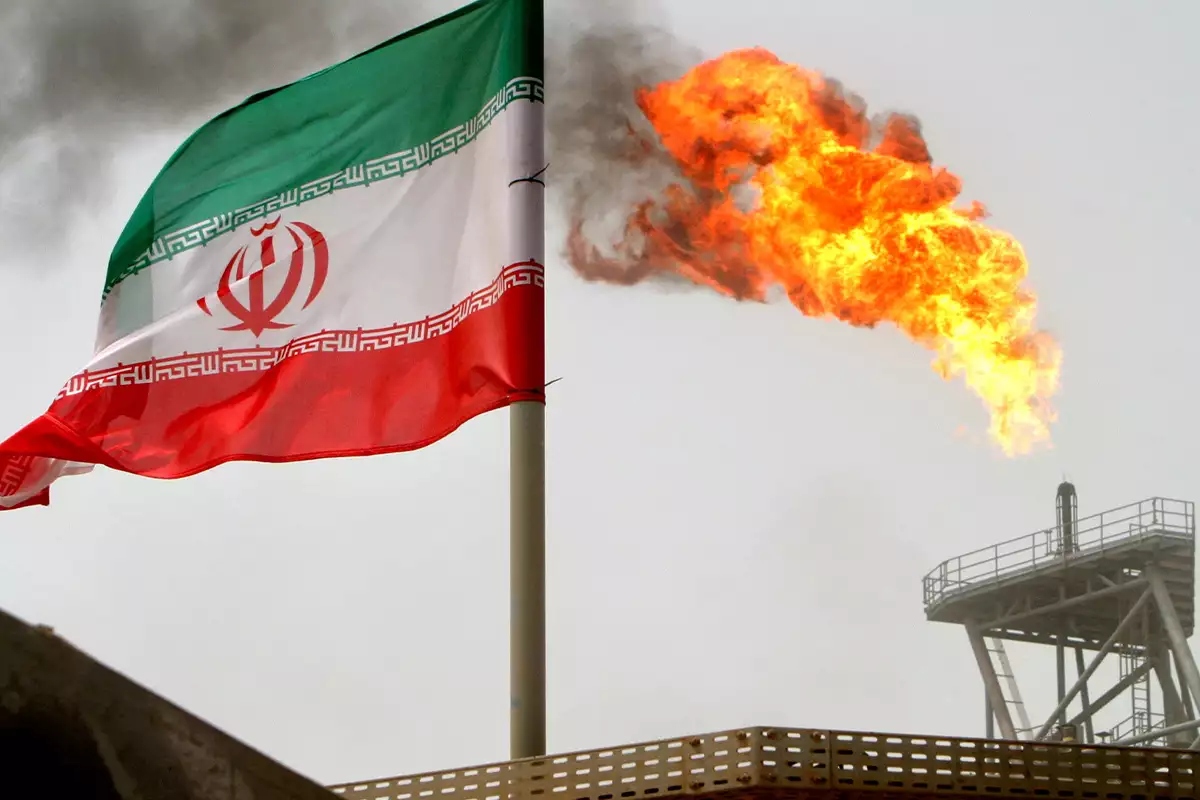 Iranian oil facility. Photo: Reuters
According to estimates attributed to the International Monetary Fund, average annual inflation is running at between 70% and 73.6%, while less conservative estimates put it close to 100%. At the same time, prices of basic food products, including meat and dairy products, have risen by 120% to 150% since the start of the war.
The official unemployment rate is approaching 10%, but estimates suggest the actual figure may be three times higher, largely because of the collapse of self-employment. At the same time, a wave of resignations has reportedly hit the public sector, including teachers and doctors, as the government is unable to pay salaries that retain their real value.
Seeking to ease the government deficit, the authorities have cut fuel subsidies and imposed limits on purchases at gas stations, fueling public discontent and potentially creating one of the next focal points for protest.
In an effort to contain the damage, the Tehran municipality announced a price freeze on 12 basic products. Merchants responded by creating shortages and selling the products on the black market, where prices more closely reflect their actual market value.
Iran loses its Hormuz leverage?
At the same time, Iran has effectively lost almost all of one of its major strategic levers: the ability to block the Strait of Hormuz. Oil exports from the Gulf, both through the strait and through bypass pipelines, have more or less returned to their prewar levels.
The same cannot be said for natural gas. Qatar, the world’s largest gas exporter, has been the main casualty.
Qatar has been forced to cut its budget by 30%. Of particular interest from an Israeli perspective is a reported 85% reduction in spending on influence campaigns and financial support abroad. According to Israeli Consul General in New York Ofir Akunis, the impact could be seen, among other things, in the relatively small number of participants at protests against Israel and Prime Minister Benjamin Netanyahu during the UN General Assembly about two weeks ago.
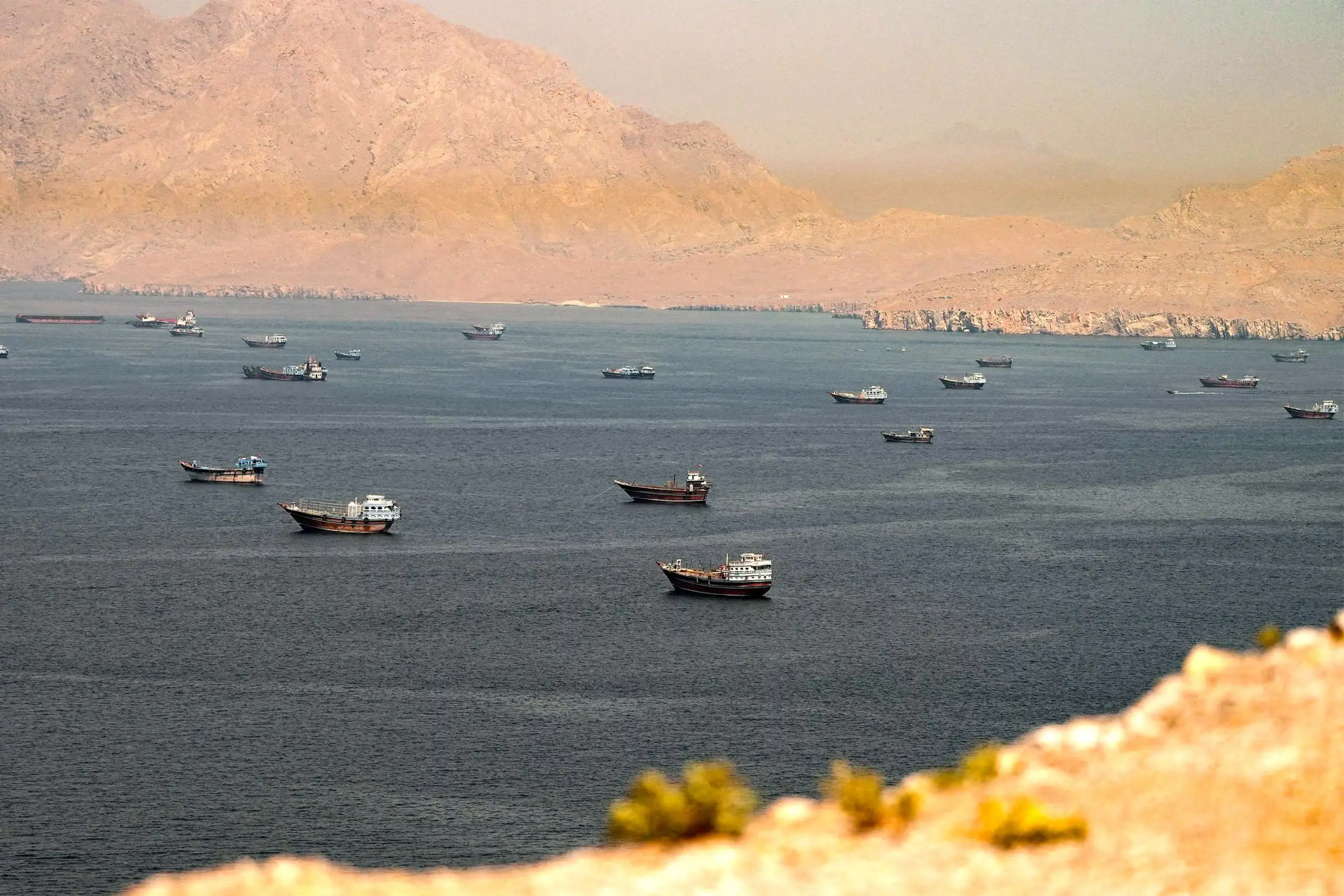 Ships in the Strait of Hormuz. Photo: Reuters
‘By June 2027, the regime will no longer be able to function’
That brings the focus back to Iran and the question of when a full economic collapse could occur.
Economist Prof. Shlomo Maoz believes that if the Americans continue blocking the Strait of Hormuz and air routes used for goods, the process could take only a matter of months. He estimates that by June 2027 at the latest, the regime could no longer be capable of functioning economically or of maintaining civilian services.
The reason, he said, would be shortages of basic goods, food and medicine, alongside the near-total shutdown of Iran’s modern economy.
“The first to fall will be the urban sectors, particularly in southwestern Iran, in the area known as ‘Arabistan,’ as markets collapse and shortages emerge that cannot be replenished with basic goods,” Maoz said. “The indicators will be import and export figures for basic goods, medicines and energy, oil and gas,” he added. “We, the world, and above all the Americans, need patience and the ability to persist with the sanctions and the blockade, because this strangulation is what will generate protests and an internal uprising as a result of the economic situation. That is also how apartheid South Africa fell.”
Maoz believes the regime will survive the coming months because it has amassed enormous reserves of gold bars purchased in recent years with Turkey’s assistance and in circumvention of sanctions. The gold bars have become an important means of payment for goods, but with trade routes severely restricted, even that option is limited.
According to assessments by intelligence officials in Israel, the US and the Gulf states, severe protests could begin within two to three months, potentially paralyzing Iran and accelerating its economic collapse. The economic pressure could instead push Iran toward an attempt at escalation, even before the US midterm elections, in an effort to influence the vote in the hope that a Congress hostile to the president would constrain his actions.
A senior US official told Israel Hayom, however, that the president had already faced congressional pressure during his previous term and continued pursuing the policies in which he believed. “He is a staunch believer in the current policy,” the official said.