
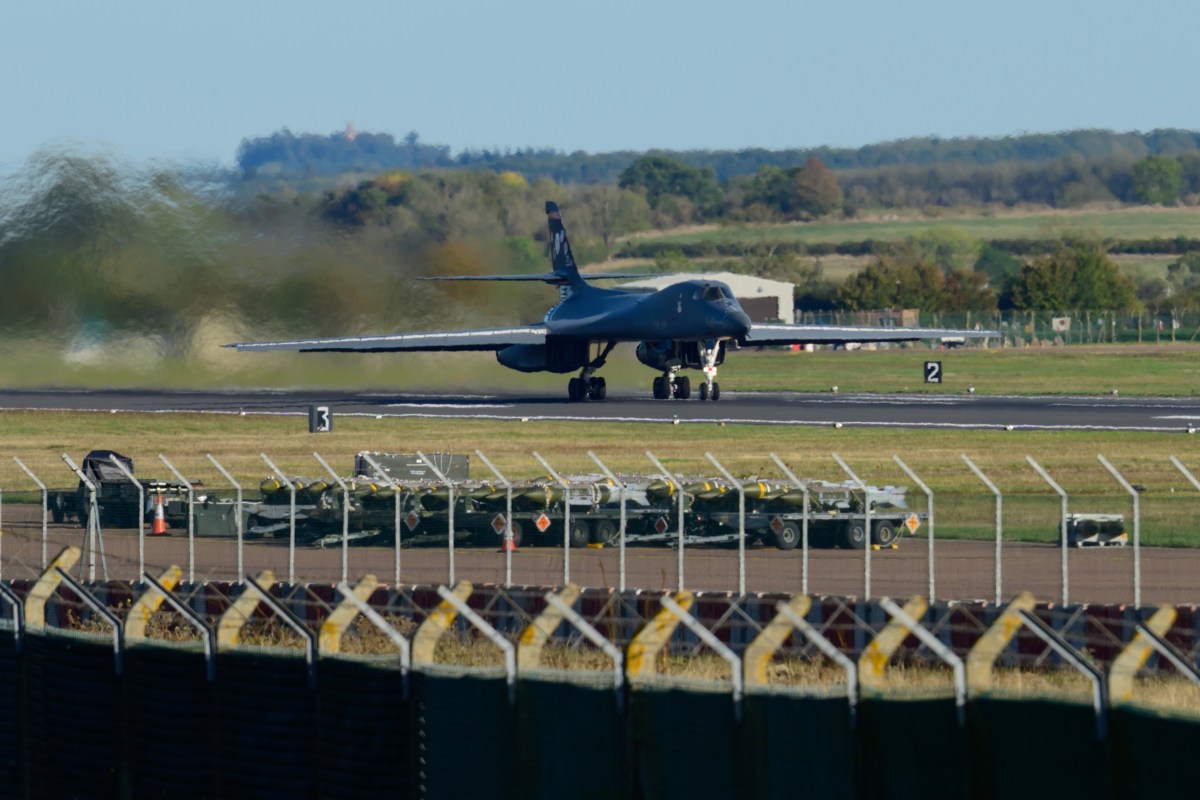
The U.S. has pulled its remaining bomber aircraft from a major U.K. military base roughly a week after British police launched an investigation into a suspected terror plot targeting the facility.
A spokesperson for the U.S. European Command (EUCOM) told Newsweek that all U.S. bombers sent to the British base of RAF Fairford earlier this year “have re-deployed to their home stations in the United States.”
The U.K. Defense Ministry has not publicly commented.
Read More on World
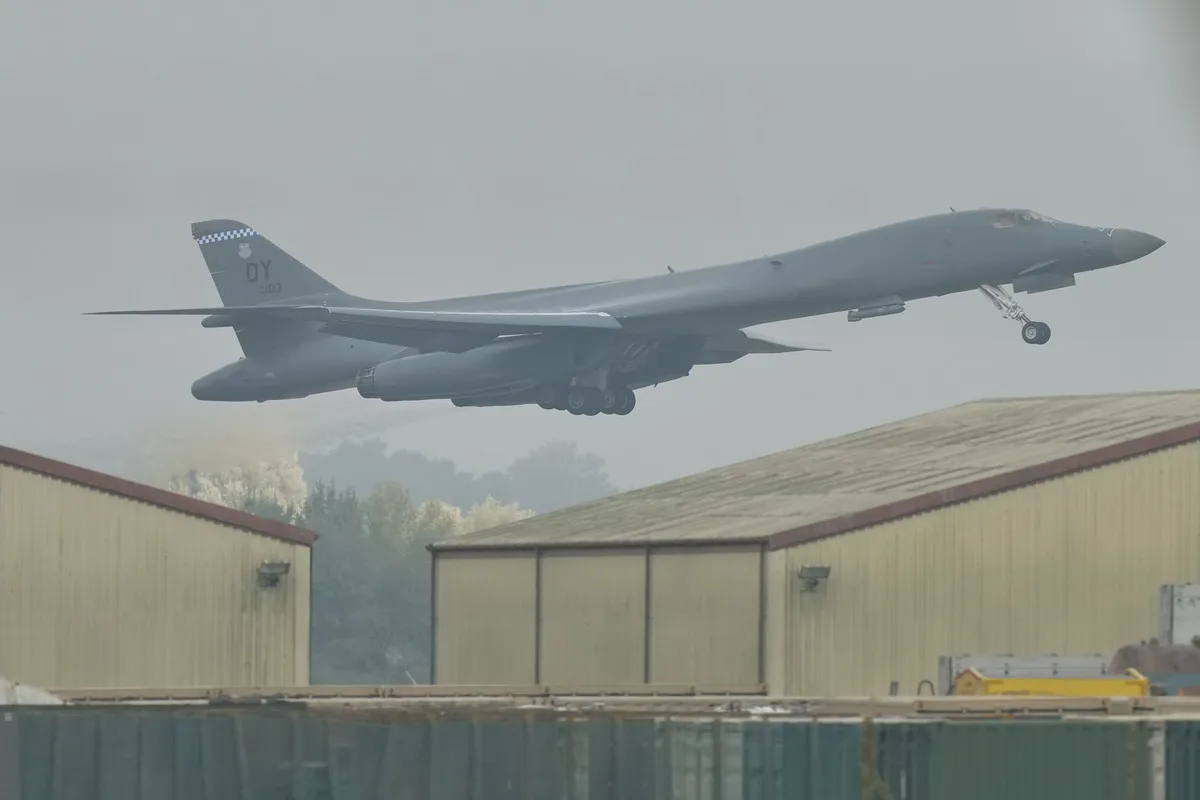
Roughly a dozen B-1 Lancers were thought to still be based at RAF Fairford in southwestern England after the U.K. government said Washington could use the American-run base for “defensive” strikes on Iran in early March.
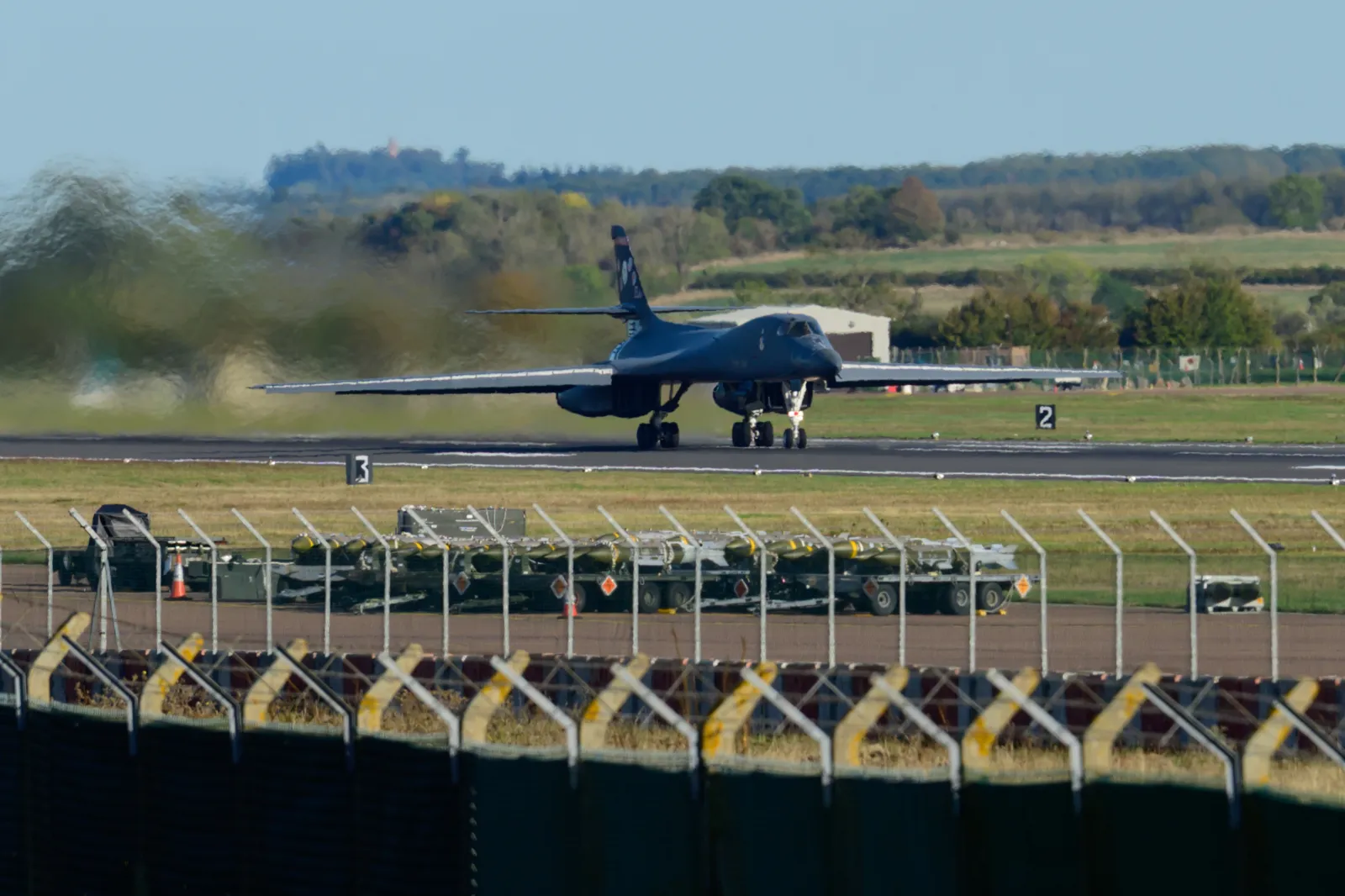
The U.S. military has also used RAF Fairford, with its long runway ideal for heavy bombers, as a staging point for operations in previous conflicts, like the Iraq War.
Observers said B-52 bombers deployed to the base had left the U.K. by early July.
“The Airmen that operate America’s bomber force, including B-1s, B-2s, and B-52s, remain ready to deliver precision global strike capabilities—including through operations that launch and recover from the continental United States—anywhere, anytime,” the EUCOM spokesperson said.
The U.S. houses its B-52s at bases in Louisiana and North Dakota, while its B-1s are typically operated out of facilities in South Dakota and Texas.
Three American aircraft touched down in South Dakota on Sunday, unnamed U.S. officials told The New York Times.
The U.S. military has not confirmed whether the decision was connected to a suspected planned attack near the base last month, which sparked the temporary evacuation of dozens of households and the deployment of military bomb experts.
But U.S. officials say security is always weighed up when moving around assets like aircraft.
It’s not clear if any other U.S. assets based permanently or temporarily in the UK have been redeployed.
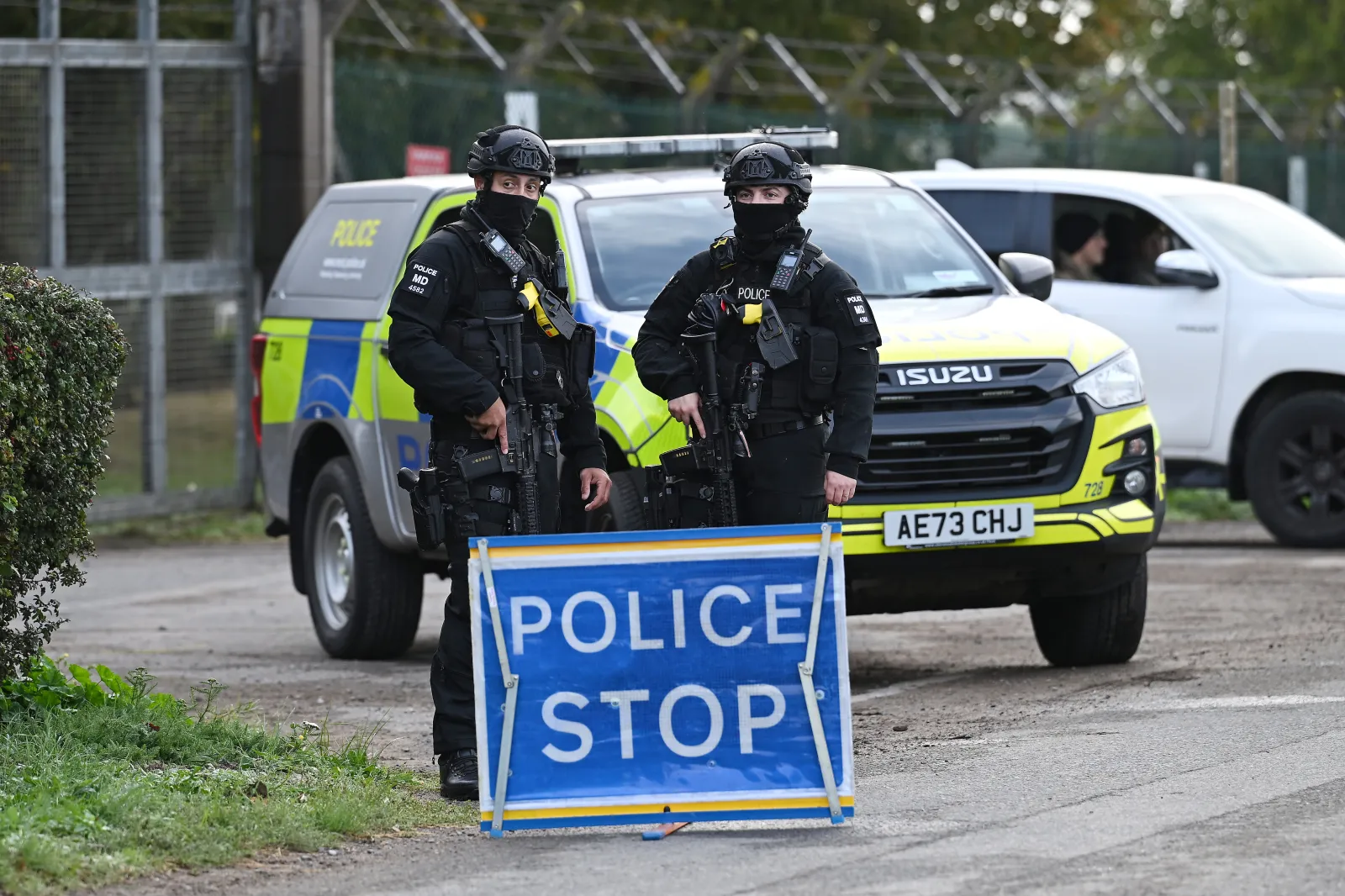
Five men were initially arrested on explosives and terror offenses and later released on bail after three suspicious vans were spotted near RAF Fairford on September 27. A sixth man, identified as a joint U.K.-Iranian national, was arrested by British police in London on Thursday before also being released on bail.
President Donald Trump, who previously said the U.S. had worked closely with British authorities in investigating the incident, questioned the decision to release the suspects on bail, adding: “I wouldn’t have done that.”
U.K. Prime Minister Andy Burnham defended the move, saying they were subject to “strictest possible bail conditions.”
Burnham has also said there are “strong indications” of Iranian involvement. Tehran responded that the U.K. was “barking up the wrong tree” and its foreign ministry summoned the U.K. ambassador in the Iranian capital over the remarks.
In July, Tehran said it considered U.K. bases used to target Iran by the U.S. as “legitimate targets,” calling London an “accomplice” in the U.S. war against Iran. A U.K. government spokesperson said at the time the country was “ready 24/7 to defend itself.”
Residents living close to RAF Fairford reported their homes shaking as the heavy bombers took off from the base in the early days of the war, which started with joint U.S. and Israeli attacks on Iran on February 28.
 How Does This Impact The Iran War?
The redeployment comes during a lull in the U.S. war against Iran, although no agreement has been reached to put an end to the more than seven months of conflict.
Oil prices, which have yo-yoed but generally remained high with the effective closure of the Strait of Hormuz waterway from the start of March, settled late last week as European politicians agreed to a U.S. request to release diesel reserves and bring down fuel costs.
Before the outbreak of the war, a fifth of the world’s seaborne oil and gas traveled through the narrow Strait of Hormuz.
Senior Iranian negotiator and parliamentary speaker, Mohammad Bagher Ghalibaf, said on Sunday the waterway would not fully reopen until the seven conditions Tehran laid out in an interim deal with the U.S. in June are met.
Trump rejected an Iranian proposal to reopen the strait within seven days last month and claimed the U.S. already had “total control” of the strait.
Iran Still Vulnerable
Although the U.S. bombers are now further away from Iranian soil, Washington can still be carry out strikes against Iran.
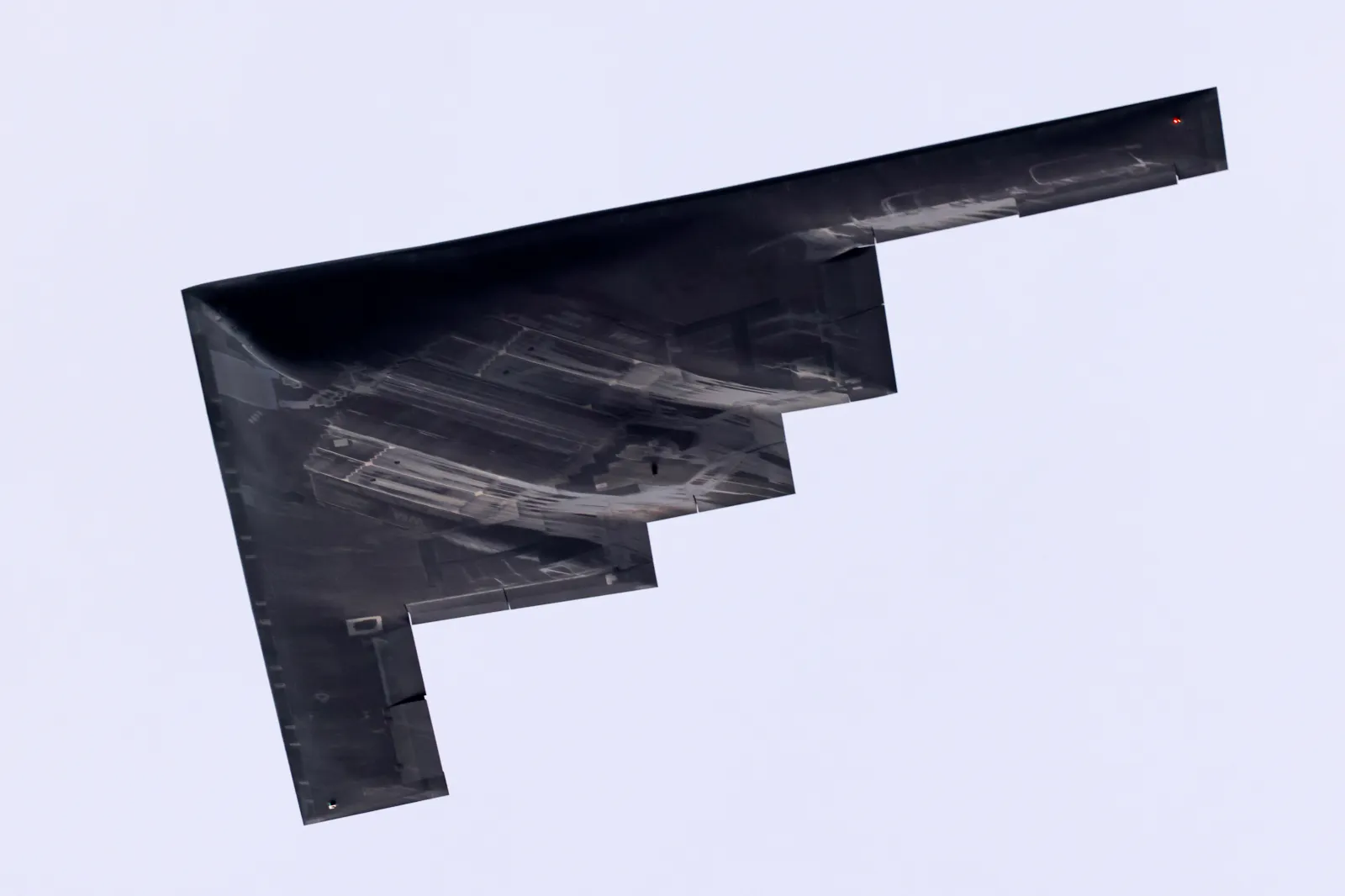
In June 2025, when the U.S. attacked three Iranian nuclear sites, seven B-2 Spirit bombers based at Whiteman Air Force Base in Missouri flew for more than 30 hours to strike “targets halfway around the world” and return back to U.S. soil, the U.S. military said.
Neverthess, the redeployment of the B-1s from Fairford will have consequences.
“Their withdrawal reduces the capacity to quickly surge sorties against Iran, reducing the threat level somewhat,” said Christoph Bergs, a research analyst in air power for the U.K.-based Royal United Services Institute (RUSI) defense think tank.
Meanwhile, the U.S. is sending a third aircraft carrier, several more U.S. Navy ships and around 10,000 additional troops to the Middle East.
The ships, which are carrying thousands of Marines from the 13th Marine Expeditionary Unit traveling with the USS Makin Island Amphibious Ready Group, are expected to arrive in the region by the end of November, according to The Wall Street Journal.
The aircraft carrier USS Theodore Roosevelt will join the USS George H.W. Bush and USS George Washington in the Middle East.
Contact Newsweek editors on this story: Ben Kelly and Tony Phillips.