
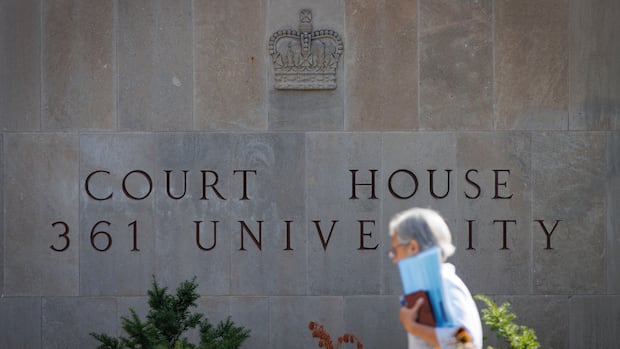
A trial decades in the making begins Monday in Toronto, as Six Nations of the Grand River sues Canada and Ontario, saying the Crown sold off their land and mismanaged their trust funds.
Six Nations says under the 1784 Haldimand Proclamation, which it considers a treaty, the Crown set aside about 384,451 hectares of land along the Grand River in Ontario, known as the Haldimand Tract, for them for their allyship in the Revolutionary War.
Six Nations argues that the Crown failed to set aside these lands, improperly sold most of them to settlers, and mismanaged the proceeds of sales from them.
“All of our money, all of our lands were sold to run the colonial government of Upper Canada for about 60 years,” said Lonny Bomberry, Cayuga Nation, Bear clan, who is lands and resources director for Six Nations.
“Upper Canada had no other income … other than the Indian lands, which were sold.”
Today Six Nations has 18,615 hectares of reserve land. Six Nations has been seeking redress for more than 200 years, attempting to speak at the League of Nations in 1923 and filing dozens of treaty breach specific claims before launching the lawsuit in 1995.
The trial will be in two phases at Ontario Superior Court with Justice Ira Parghi presiding and is expected to take nearly a decade.
There are 46 individual claims, with a total value estimated between $13.9 billion and $8.7 trillion. Bomberry said the figure is too great to estimate.
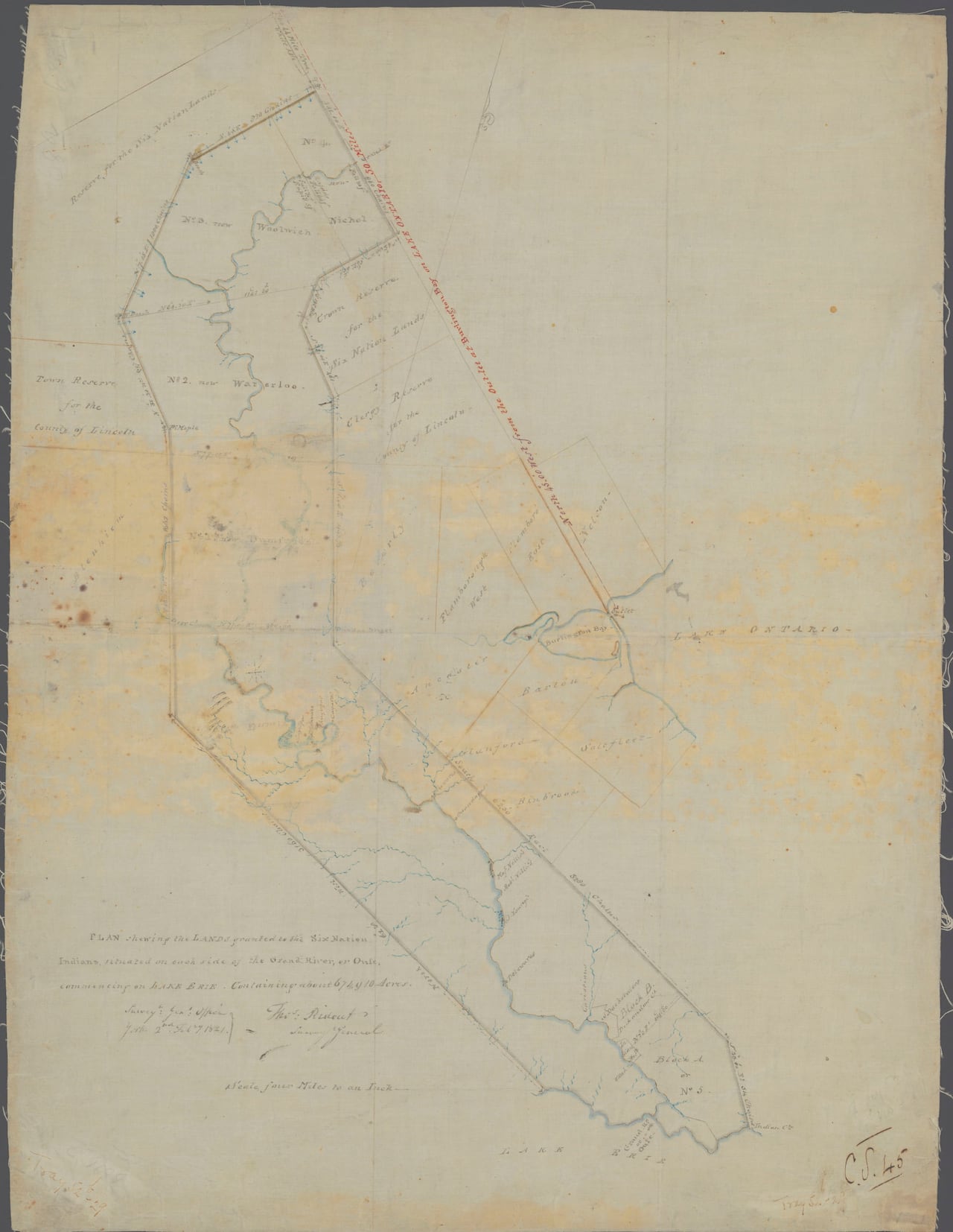 An 1821 map showing the lands granted to Six Nations. (Library and Archives Canada)
In its Statement of Defence, Canada says the Haldimand Proclamation is not a treaty and did not create an obligation to establish a reserve. In the statement, Canada argues the Six Nations people made a series of valid surrenders and sales of lands within the tract.
Because the events happened before Confederation, the statement says should the court rule in favour of Six Nations, the court would then need to determine whether Canada can be held responsible.
Ontario’s Statement of Defence and Crossclaim also says the Haldimand Proclamation is not a treaty and did not establish a reserve. It says if there was a breach of duty related to the Haldimand Proclamation, Canada would be solely liable.
Bomberry said he remembers being a young boy on the reserve, thinking a great injustice had been done to his people.
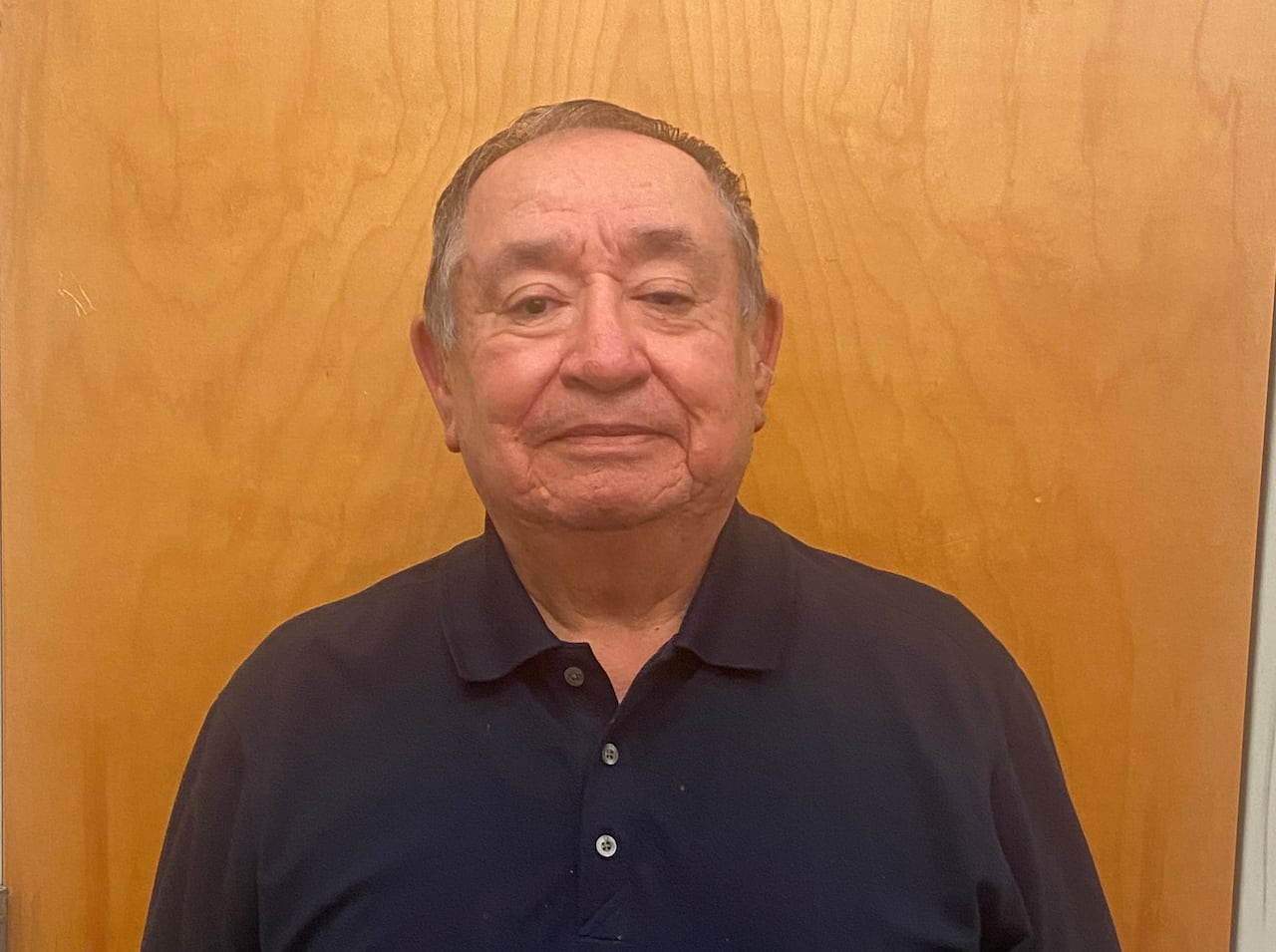 Lonnie Bomberry, lands and resources director for Six Nations, has been involved with the case since 1995. (Submitted by Lonnie Bomberry)
Bomberry says from around 1797 to 1845 most of the lands granted to the Kanien’kehá:ka and the other five nations in the Haldimand Tract were taken by the Crown and sold or undervalued, without terms and conditions of sales being fulfilled.
“Six Nations was left without any land, without any money,” Bomberry said.
“By the 1860s, we were completely broke and a million acres gone through what I call the heart of Canada and nothing to show for it.”
He said Six Nations’ requests to lease land, rather than sell it outright, for continued income were ignored by the Crown and monies held in trust for Six Nations by the Crown were used instead to build the country’s infrastructure.
Six Nations Trust invested without consent
Robert Janes of JFK Law, one of the lead counsel for Six Nations, said they will argue that government officials mismanaged Six Nations’ money and that funds were misappropriated.
“The ironic thing is, that in many ways, without the benefit of the cases that have been fought over the last 30 years, the nation would be in a much weaker position,” Janes said.
“Because the government has dithered for so long in trying to resolve this case, the law has really put us on a much stronger footing.”
 Robert Janes is one of the lead counsel for Six Nations. (Submitted by Zen Huang)
In a statement, Crown-Indigenous Relations and Northern Affairs Canada said, “We respect the decision of Six Nations to pursue their claims through the courts and will continue to work in co-operation with all parties as this case moves forward.”
Ontario’s Ministry of the Attorney General declined a request for an interview.
Intervenors
The lands in question were made available to Six Nations by a treaty the Crown made with the Mississaugas in 1784.
In 2023, the court granted a motion by the Mississaugas of the Credit First Nation (MCFN) to intervene in the case.
Nuri Frame, legal counsel for MCFN, said it was critical to the nation that its perspective, stewardship and history are included in the proceedings.
He added MLCN doesn’t want to stand in the way of Six Nations’ efforts, nor is MLCN seeking any compensation.
The court rejected a motion by the Haudenosaunee Development Institute to intervene on behalf of the Haudenosaunee Confederacy Chiefs Council.
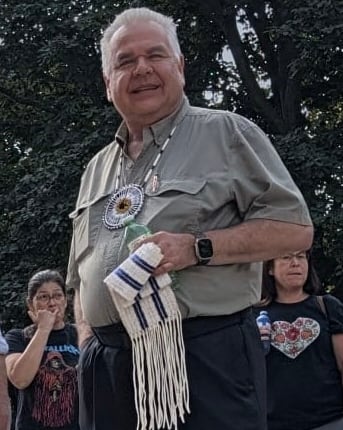 Haudenosaunee Confederacy Council Kanien’kehá:ka Chief Allan McNaughton. (Submitted by Kris Hill)
The Haudenosaunee Confederacy Chiefs Council represents the traditional government, where the Six Nations band council was created by the Indian Act.
“Council didn’t exist when treaties were made,” said Allan McNaughton, Kanien’kehá:ka chief on the council.
“They are not a treaty-making entity.”
McNaughton said, however, that the judge said the court would welcome hearing from the chiefs and clan mothers themselves.
McNaughton said he prefers arbitration because the Confederacy Council has decided they will not stand before a “foreign court.”