
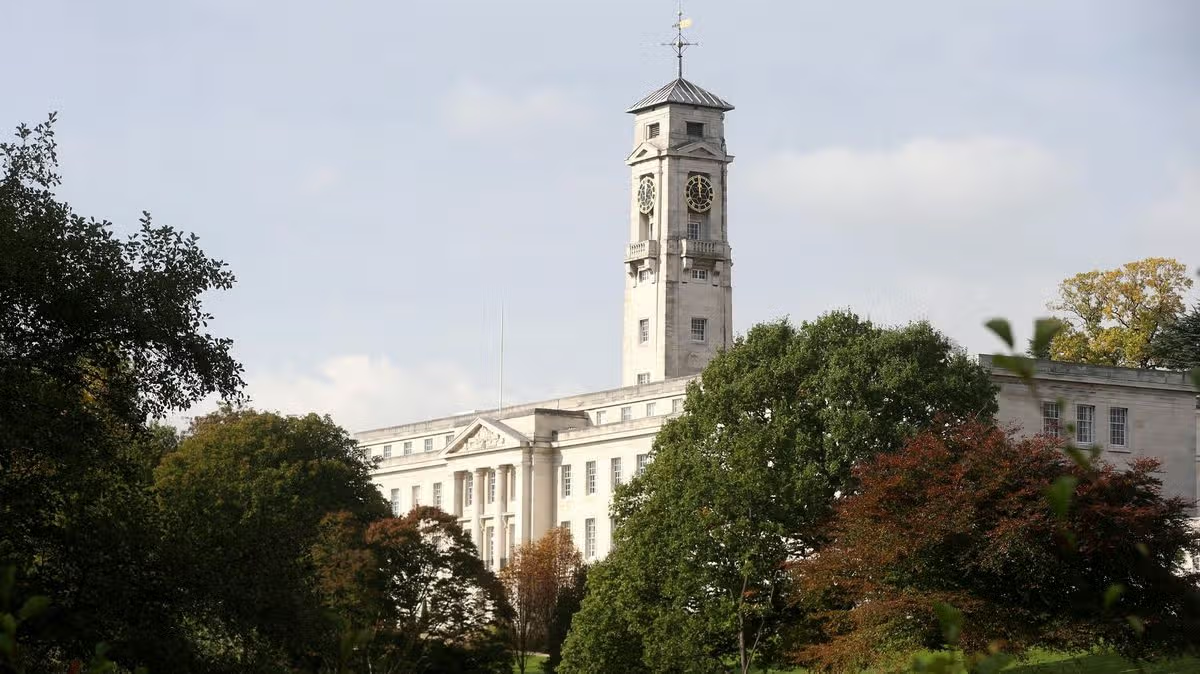
The University of Nottingham (UoN) is cutting hundreds of jobs and axing several courses as part of a huge effort to stop the cash-strapped institution running out of money.
In all, 560 full-time roles will be axed, while modern languages degrees will be cancelled as part of drastic measures approved by the university last Thursday (October 1).
The second phase of the controversial ‘Future Nottingham’ restructuring plans was set out in a leaked draft document in April, which revealed UoN’s proposals to cut more than 600 jobs.
Whilst there are fewer job losses in the finalised business plan, many of the university’s initial cost-cutting measures will now be implemented.
In a statement sent to the Nottingham Post confirming the changes, a UoN spokesperson said: “This transformation is among the most significant this university has seen in its 145-year history, and it is change that has been shaped by our staff, students and alumni.
“Around a third of the alternative proposals received through our consultation processes have been incorporated – either in part or fully – into the final business case and will help our future university develop and thrive.
“We know that change of this scale is not easy, and we do not underestimate what it means for many of our colleagues and students. We are doing everything we can to support our staff through this difficult process.”
The changes confirmed on Monday (October 5) include the cancellation of music and modern languages degrees – which had been suspended ahead of their permanent termination.
The university said there had been a decline in student interest in the latter, with only 100 people enrolled across 20 different courses last year.
Following consultation with trade unions and alternative proposals put forward by staff, the university says it is also creating new job roles.
“Where the proposals affect people’s roles, we are working to manage the impact and minimise the number of compulsory redundancies that may be required,” the spokesperson added.
“Throughout the process, at risk staff have been offered a number of voluntary redundancy options, a voluntary reduction in hours scheme and we will be exploring potential redeployment opportunities wherever possible.”
The first phase of Future Nottingham saw more than 300 support worker roles slashed and two of the university’s campuses – including the brand-new £80m Castle Meadow Campus – put up for sale.
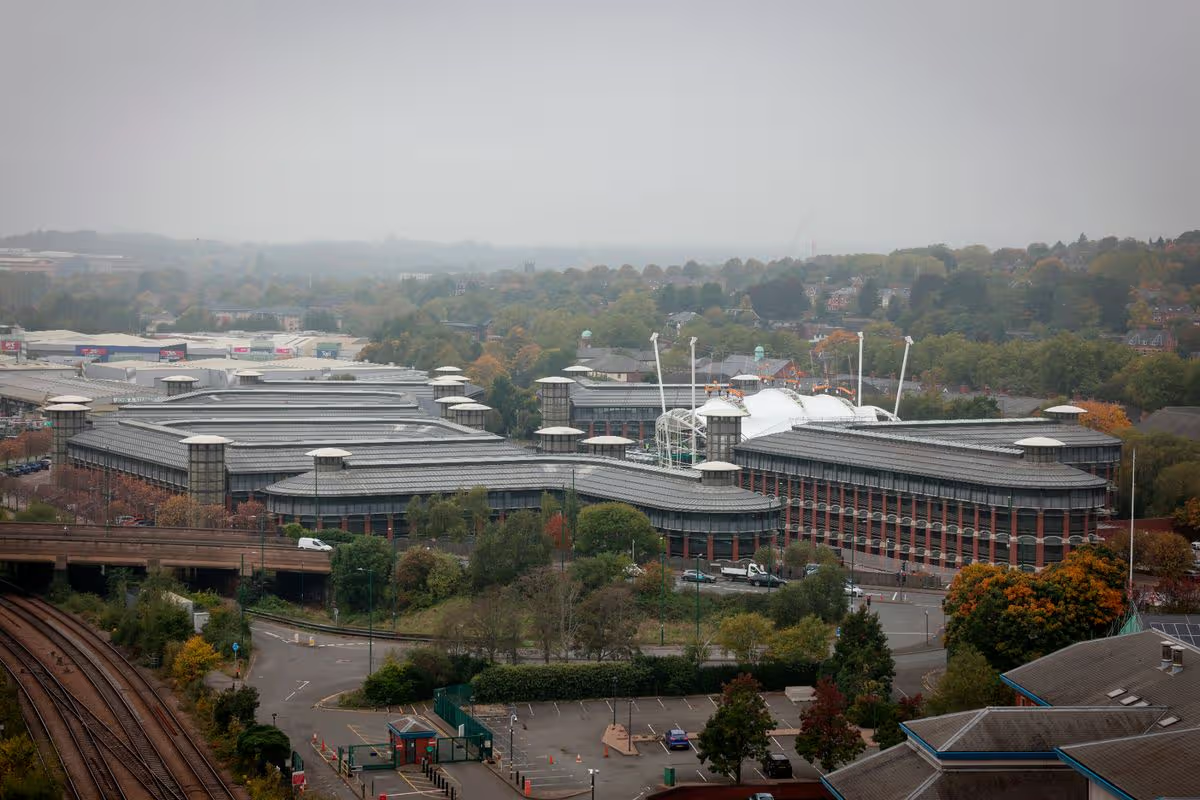
The University of Nottingham’s abandoned Castle Meadow Campus in Nottingham city centre(Image: Joseph Raynor/ Reach PLC)
The draft document for the second phase of the restructuring programme outlined UoN’s plans to open a voluntary redundancy scheme for at-risk staff in May and remove vacancies, before considering compulsory redundancies.
The university explained in its draft business case that it intended to increase the number of students per academic, resulting in a reduction of around 606 full-time job losses over time.
The initial proposed seismic workforce reduction was forecasted to save UoN around £50 million by 2029/30 – with the university previously suggesting it would be out of cash by the end of the decade without the restructure.
The UCU, which represents academics at the university, has claimed that strong undergraduate recruitment, increased voluntary redundancy applications, and alternative savings proposals mean that the planned compulsory redundancies and closure of courses are no longer necessary.
Following strikes last week, the union said staff will embark on solid strike action from October 5 until December 11 in protest of the restructuring plans.
“We don’t want to strike, but staff will not stand by while colleagues lose their jobs and whole areas of teaching and research are dismantled unnecessarily,” Nick Clare, UCU branch president at the university, previously said.
“Students will suffer too and have their learning damaged through larger classes, less choice and overworked academics.”
One student affected by the strikes is Misha Burrell, a 22-year-old sociology masters student.
They said: “The strikes are frustrating because it meant I wasted commuting last week just for them to tell me not to come in.”
Another criticised the axing of courses. The anonymous student said: “I’m shocked and it’s just such disappointing news for future students that want to come to this university.”
The university says that, following feedback, students will be able to undertake a modern language module as part of their degree, with the creation of a new language centre.
UoN also said that it “remains committed to a vibrant music culture on campus” through choirs, orchestras, performances and creative opportunities at its Lakeside Arts centre.
“Focussing on our students, [the changes] will help us shape an excellent academic offer and student experience,” the spokesperson added.
“This will reflect what students want and need so that every student leaves us with the skills, knowledge and confidence to thrive, now and long into the future.
“And it will help us to become financially resilient so we can invest in our teaching and research.”