

Listen to this article
Estimated 3 minutes
The audio version of this article is generated by AI-based technology. Mispronunciations can occur. We are working with our partners to continually review and improve the results.
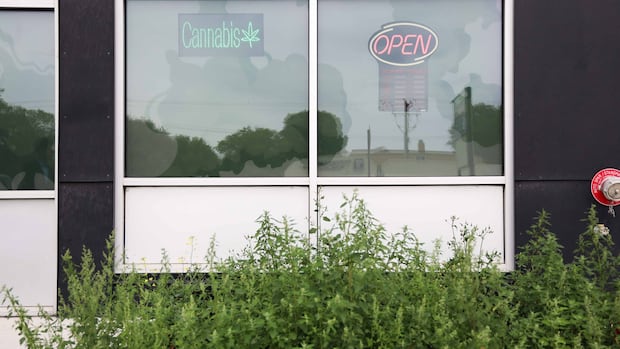
The Manitoba government is proposing new rules that would let cannabis stores remove the window coverings blocking the public’s view of the shops, amid concerns they could be putting staff at risk.
A new bill introduced in the legislature Monday, if passed into law, would allow cannabis stores to uncover their windows.
The industry has complained that blocked windows hide store employees from public view, potentially making them more vulnerable to crime.
Justice Minister Matt Wiebe said no Manitoban should have to worry about their safety while going to work.
In May, a man entered a retail cannabis store in Winnipeg, waited for a customer to leave, then locked himself inside the shop with a woman working alone. The 24-year-old woman was sexually assaulted. A suspect was later arrested, police said at the time.
The new law won’t change the requirement that cannabis products be hidden from view from the exterior of shops.
Wiebe said that law remains important because “we don’t want kids riding by [on their bike] and seeing cannabis and being enticed into trying a product that’s not appropriate for them.”
WATCH | No more blocked windows at cannabis stores: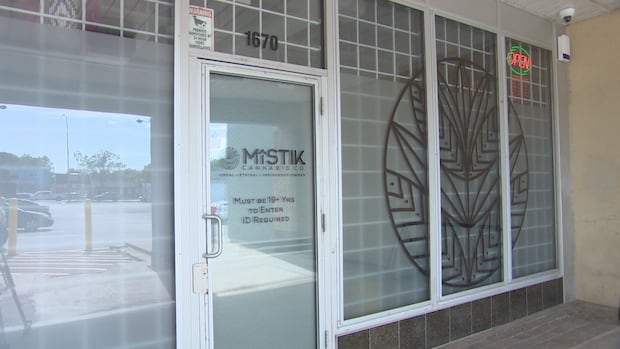
Manitoba wants to drop window coverings from cannabis stores
The Manitoba government has introduced legislation intended to improve worker safety at cannabis stores by removing the requirement to block windows. The bill also gives Manitoba’s cannabis regulator the ability to create mandatory minimum staffing limits during certain hours.
The bill would also authorize the Liquor, Gaming and Cannabis Authority of Manitoba to establish a minimum number of staff members in a cannabis store during specified hours, a government news release said Monday.
Wiebe said Monday the government understands there needs to be flexibility around any minimum staffing rules that are implemented.
Keith Horn, president of the Retail Cannabis Council of Manitoba, said it isn’t financially feasible for some smaller cannabis shops to have more than one employee working at once.
He questioned whether minimum staffing at certain hours will be effective at reducing crime.
If a robber knows “between 12 and 6 [p.m.] every day, there’s minimum three staff, maybe that’s not the time I’m going to go.”
Horn said he appreciates the planned removal of the window covering requirement but hopes to offer suggestions to government around the minimum staffing proposal.
Marie Buchan with United Food and Commercial Workers Canada Local 832, which represents workers at two of Manitoba’s largest cannabis retailers, said a recent survey of unionized and non-unionized workers suggested working alone was the biggest concern for most respondents.
Ontario and Alberta are among the jurisdictions that have already scrapped rules preventing the public from seeing inside cannabis stores from the street. Alberta’s regulator said the change was needed after a “significant rise” in robberies.
Manitoba Liquor & Lotteries told retailers in a memo last year it would explore the removal of window coverings to “create a safer working and shopping environment.”