
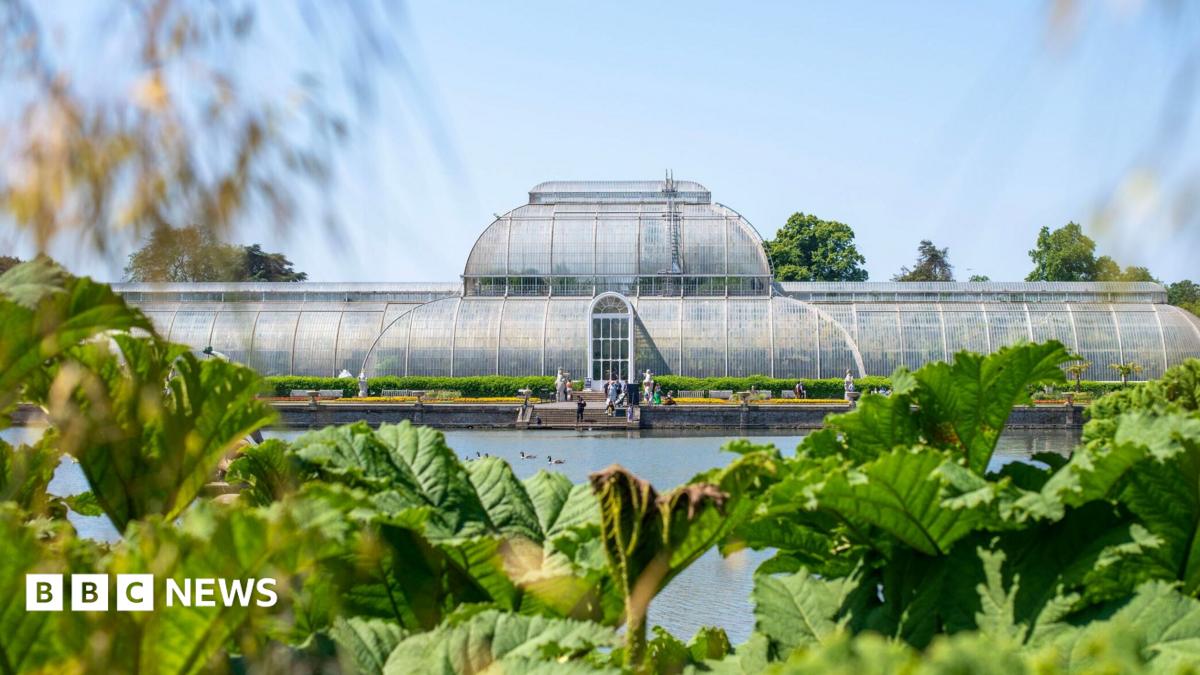
The Victorian landmark is home to an internationally significant collection of plants from around the world, enabling visitors to experience parts of a tropical rainforest in London.
Rare, threatened and even extinct in the wild plants live at the site, as well as species that are important to human life, such as coffee, rattan palm and banana.
The collection supports Kew’s research into preventing biodiversity loss, conservation and food security as well as novel ways to protect the planet’s future.
Richard Deverell, director of the Royal Botanic Gardens said: “For generations, the Palm House has been a place where people encounter the extraordinary diversity of life on Earth.
“It is a building that has inspired wonder for almost 180 years, but its future cannot be taken for granted.”