
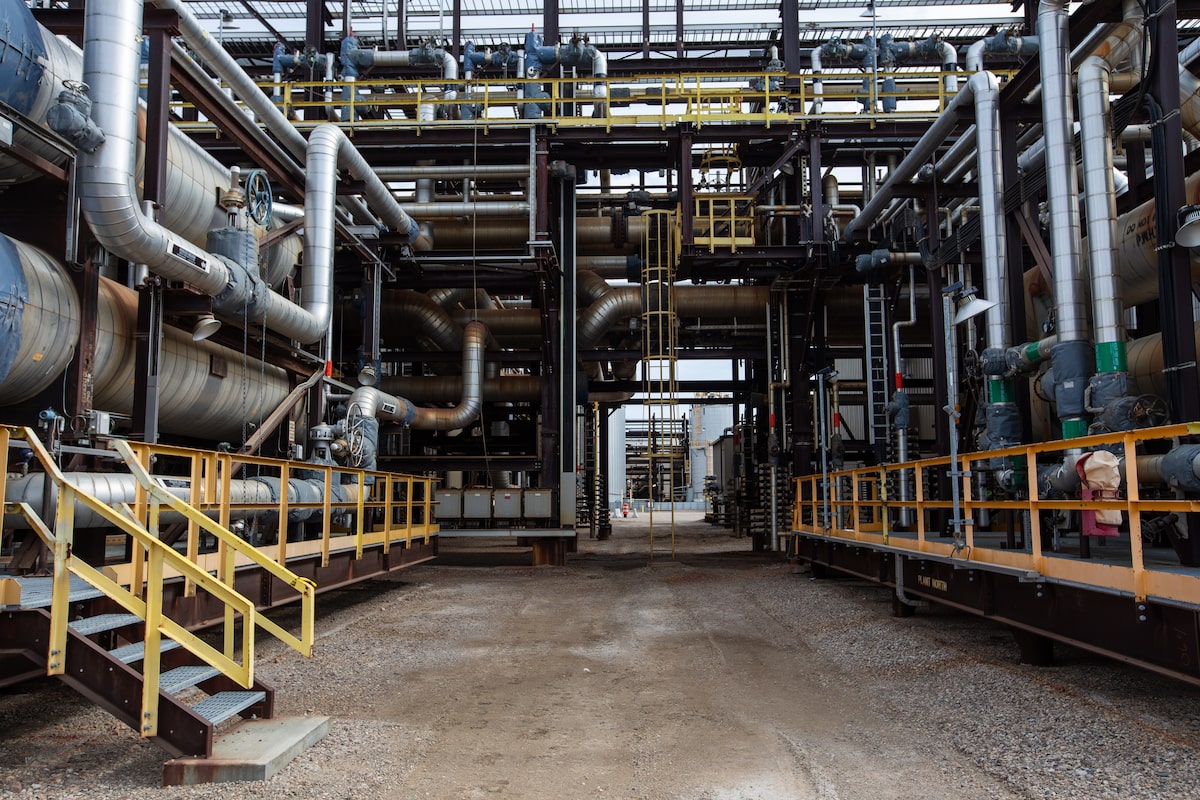
The plant at the Cenovus Energy Christina Lake oilsands facility southeast of Fort McMurray, Alta., in 2024.AMBER BRACKEN/The Canadian Press
A classic riches-to-rags-to-riches oil patch drama concluded Monday when Cenovus Energy Inc. tabled a friendly, $5.7-billion takeover offer for entrepreneur-founded Athabasca Oil Corp.
For investors with the fortitude to stay in the saddle through occasionally wild rides, analysts are highlighting the opportunity to invest in the next Athabasca. They’re also touting the opportunity to own the next Cenovus, by backing small-cap management teams with the ambition and moxie to join the ranks of the country’s senior energy companies.
On Monday, shortly after news of the Athabasca acquisition broke, energy analysts Chris MacCulloch and Kevin Fisk at Scotia Capital published a report highlighting promising oil and gas plays that are likely to be the next takeover targets in a consolidating sector.
The Scotia team opened its report with a touch of melancholy, by saying that unlike last year’s multistage bidding war for MEG Energy Corp., won by Cenovus, “Athabasca shareholders are receiving full value for their shares and a competing offer is unlikely to emerge.”
Cenovus bulks up on oil sands with $5.7-billion Athabasca buy
The analysts added that with Calgary-based Athabasca gone, after its stock price rose over the past five years from pennies a share to the $12 takeover bid, promising small to mid-sized oil companies are still available to domestic investors.
“We highlight Strathcona Resources Ltd., Tamarack Valley Energy Ltd., International Petroleum Corp. and Baytex Energy Corp. as solid options for investors looking for high-growth oil-weighted names,” the Scotia analysts said.
Cenovus and peers such as Canadian Natural Resources Ltd., Imperial Oil Ltd., Suncor Energy Inc. and Shell PLC – which recently spent US$16.4-billion on natural gas producer ARC Resources Ltd. – can be counted on to boost their reserves by continuing to snap up mid-sized companies.
Senior oil companies also have the cash to fund acquisitions. The hike in oil prices that followed conflict in Iran has boosted profits at domestic producers and allowed them to aggressively pay down debt.
Shell buying Calgary-based ARC Resources in $16.4-billion deal as it mulls LNG Canada expansion
On Monday, Cenovus justified its second major acquisition in as many years by explaining that its technology for separating oil from sand will lower costs while speeding up production from Athabasca’s properties. All the senior producers enjoy these advantages over smaller rivals.
The challenge for investors is staying on a roller-coaster ride like the one Athabasca provided. Financier Bill Gallacher and Norwegian geophysicist Sveinung Svarte, backed by independent investment dealer GMP Securities, took the company public in 2010 at $18 a share.
After going public, Athabasca struggled with relatively high debts, a downturn in oil prices and what turned out to be problematic partnerships with PetroChina. At the time, there was reason to doubt Athabasca could survive without seeking creditor protection, which would have wiped out equity holders.
Athabasca’s stock price had sunk to 18 cents when portfolio manager Eric Nuttall at Ninepoint Partners LP made what ranks as one of the great trades of this era.
In an example of the upside that comes with getting growth stock investments right, Ninepoint acquired Mr. Svarte’s Athabasca stake for 18 cents a share in 2021, eventually building a 10-per-cent interest in the company.
While Mr. Nuttall sold a portion of the position as the stock rallied, Ninepoint still owned 13 million Athabasca shares when Cenovus announced its offer.
On Monday, Mr. Nuttall praised Athabasca management’s fortitude, saying in a post on LinkedIn that after being “underestimated for years, they went from ‘survive’ to ‘thrive,’ making our clients a lot of money along the way.”
Strathcona, controlled by former Scotia Capital head of investment banking Adam Waterous, is likely to give its backers occasional bouts of indigestion as its growth strategy includes hostile acquisitions. It finished as runner-up in the bidding war for MEG.
Owning shares in Tamarack Valley, which announced a friendly $10-billion merger with Headwater Exploration Inc. in September, means making a bet on the potential for heavy oil properties in the Clearwater region of Northern Alberta.
Holding domestic oil stock involves dealing with bouts of drama. In the recent past, the sector faced serious headwinds, in the form of weak commodity prices and environmental concerns. The prospect of new pipelines and lower emissions – brought about in part by a major carbon-capture project – has rekindled investor interest in growth-focused oil companies.
As Ninepoint’s experience with Athabasca showed, timing oil patch investments right can translate into a happy ending for riveting corporate dramas.