
(Oct. 6, 2026 / JNS)
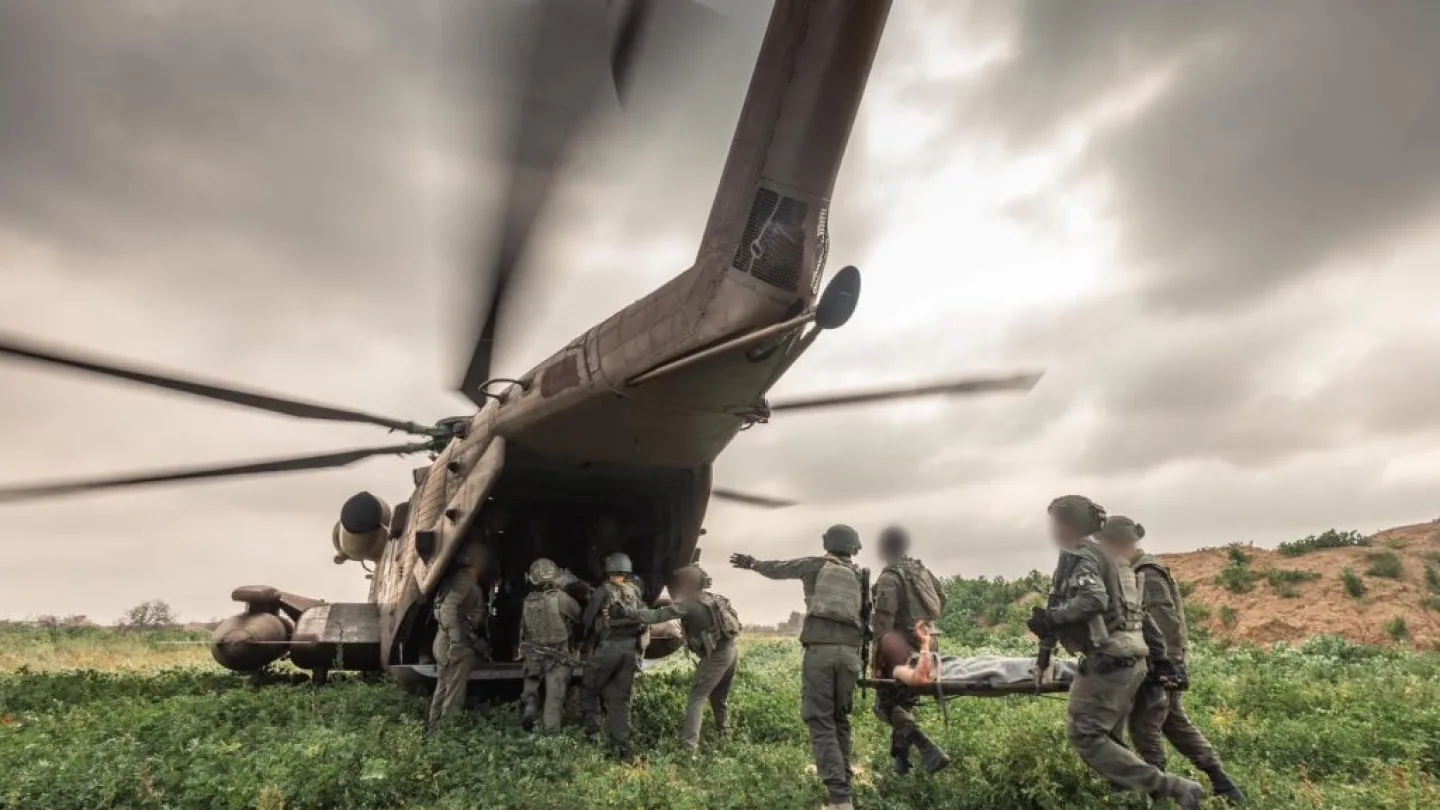
Israel’s Defense Ministry has provided rehabilitation services to approximately 30,000 soldiers and security personnel wounded since the Hamas-led attack on Israel on Oct. 7, 2023. The ministry estimates that the number of wounded requiring rehabilitation could reach about 100,000 by 2028 according to figures released on Tuesday.
The rehabilitation needs extend beyond physical injuries. About 63% of those currently receiving treatment are coping with psychological trauma, while 37% have physical injuries, according to figures released Tuesday by the ministry’s Rehabilitation Division. Nearly half of those receiving care are under 30, 8% are women and 62% served as reservists.
The scale and complexity of the injuries have placed the rehabilitation system under significant pressure. Among those receiving care are 63 people with the most severe disabilities, 249 with complex head injuries, 29 with permanent blindness or visual impairment and 106 amputees. Of the amputees, 95% have been fitted with advanced prosthetics, including devices designed to enable participation in sports and recreational activities.
The ministry has expanded its mental-health services in response, quadrupling its mental-health staff to about 4,000 professionals and tripling the number of rehabilitation homes. It has also opened nine specialized rehabilitation farms across Israel. Before the reforms, one caseworker was responsible for about 850 veterans suffering from post-traumatic stress, according to the ministry.
The government is also implementing recommendations from a public committee headed by Prof. Moshe Mor Yosef that were adopted in July. The measures include plans to transform the Rehabilitation Division into a “National Authority for the Rehabilitation and Treatment of Wounded IDF and Security Forces,” assign personal case managers to wounded personnel, simplify the disability-recognition process, provide employment incentives and establish a dedicated facility for people with severe head injuries.
The division’s budget has increased by 88% over the past three years to 10 billion shekels ($3.27 billion), with more than 60% allocated to mental-health and post-trauma care. This year, the division provided about 171,000 alternative-therapy treatments and received 16,500 calls through its “One Soul” support hotline. Its support programs also include 470 emotional-support dogs, with another 330 in training. Since January 2024, an emergency mobile crisis team has responded to more than 500 urgent cases.
Rehabilitation efforts also focus on helping wounded veterans return to education and employment. Since the war began, 2,425 wounded veterans have received full funding for academic and professional studies, with law, business administration and computer science among the most popular fields.