
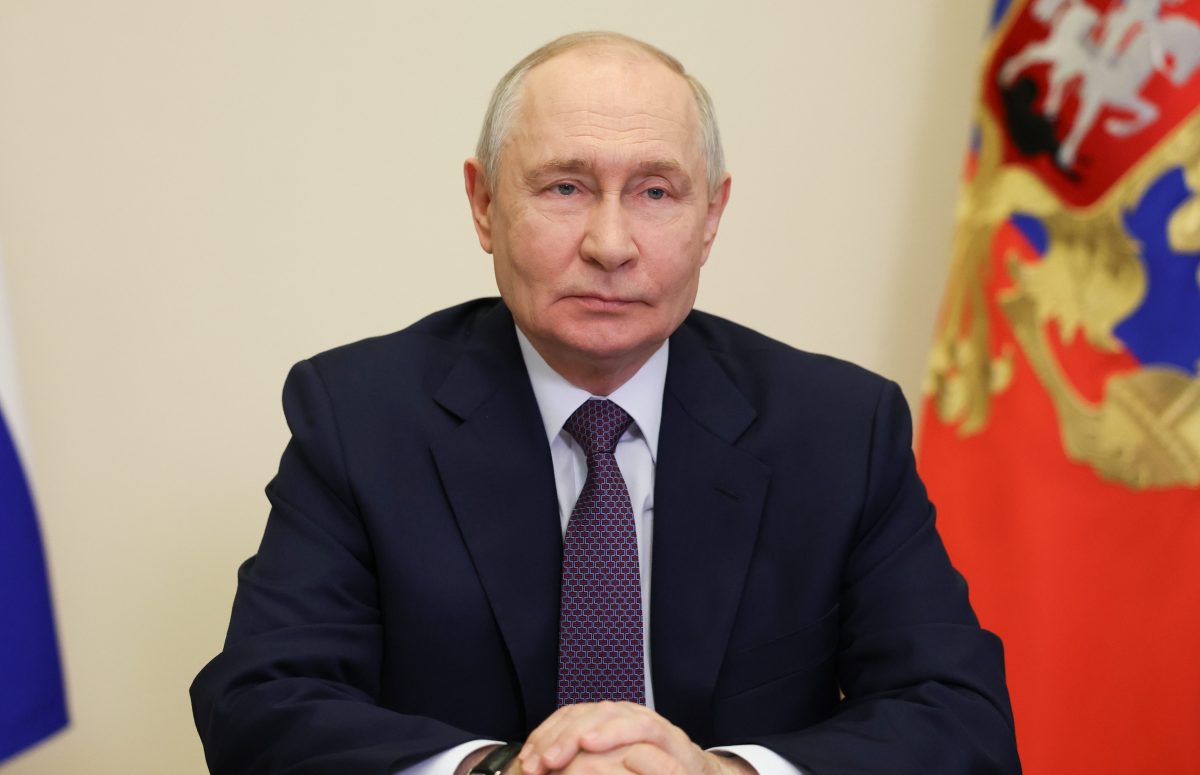
The European Union (EU) has agreed new sanctions targeting Russia’s military industry and set out separate proposals which could potentially be used against European allies of Vladimir Putin, as the Russian president celebrates his 74th birthday.
The two developments come as the EU seeks to counter Moscow’s influence and prepare for possible enlargement.
EU envoys approved about 1,646 new designations on Wednesday under the bloc’s Russia sanctions regime. The vast majority of those target Russia’s military-industrial complex, with more than half focused on missile production.
Read More on News
The package is the largest single set of designations since Russia’s full-scale invasion of Ukraine began in 2022. The listings will go to EU foreign ministers for final adoption next Monday.
The EU’s main Russia sanctions regulation currently covers more than 3,000 people and entities, subjecting those listed to travel and transaction bans and asset freezes.
Separately, the European Commission—the bloc’s executive arm—has proposed new safeguards for future EU accession treaties, saying they would help ensure countries continue to meet commitments made during accession negotiations.
The proposals include a new institutional safeguard addressing serious breaches of EU values and the principle of sincere cooperation. In most serious cases, measures could include suspending a new member state’s voting rights.
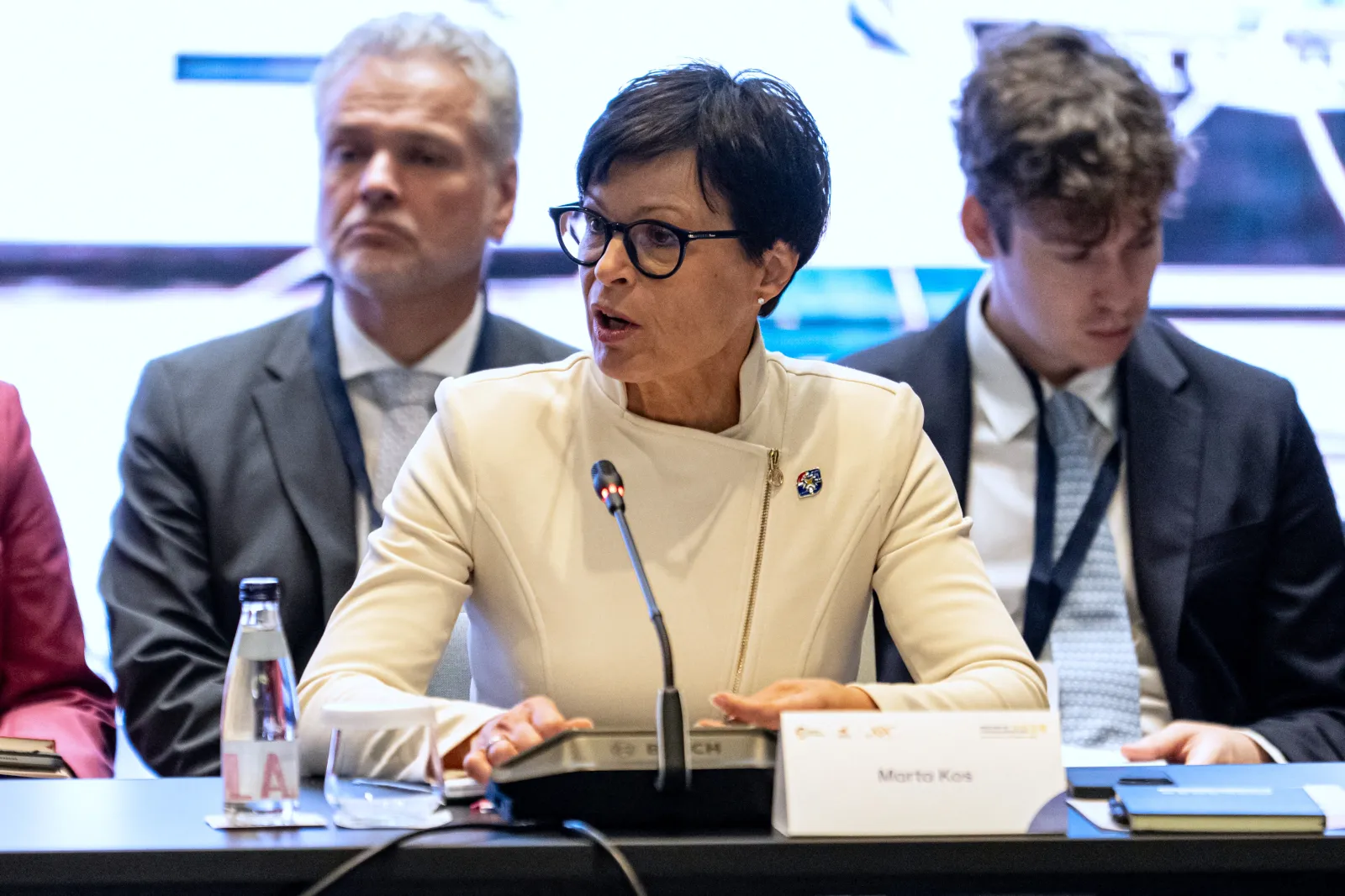
The EU’s enlargement commissioner Marta Kos told reporters that the bloc needed quicker mechanisms to respond if new members undermined democracy or the rule of law.
“No more Viktor Orbán,” Kos said. “We have to have quicker mechanisms than only Article 7 [a sanction that allows a member state’s voting rights to be suspended] if the newcomers would go against the rule of law, democracy or our values.”
The proposal is intended to address limits in the existing Article 7 process, which allows voting rights to be suspended in response to a “serious and persistent breach” of EU values.
Eli Gateva, a researcher in EU Politics and Policy at the University of Oxford, told Newsweek that although the proposed safeguard was comparable to Article 7, it was broader because it also covered the principle of sincere cooperation.
She said it “would be more easily enforceable” because it requires reverse qualified majority voting.
Article 7 proceedings were previously launched against Hungary in 2018 and Poland in 2017 over concerns about democratic backsliding, but neither resulted in a suspension of voting rights. Because such sanctions require the unanimous approval of other EU member states, Poland’s and Hungary’s governments were widely seen as able to shield one another from the measure.
More recently, Orbán and Slovak Prime Minister Robert Fico have emerged as the EU leaders most resistant to tougher measures against Russia.
The commission has also said its proposals would also prepare the EU’s governance, policies and budget for enlargement.
It is urging member states to make decision-making faster, including by using treaty provisions that can move some areas from unanimity to qualified majority voting.
The commission specifically cited sanctions and tax fraud among the areas where such clauses could be used.
 Enlargement Raises Questions About EU Decision-Making
Montenegro, Albania, Moldova and Ukraine are among the countries identified as frontrunners for future membership.
EU officials hope to open negotiations with Ukraine and Moldova on internal-market and competitiveness policy areas next week.
Kos said it was “much too early to speculate” on whether a country at war or with a frozen conflict could join the bloc.
The Commission’s package will feed into discussions among member states, including at the European Council in October.
The bloc’s current 27 members must unanimously agree to admit new countries.
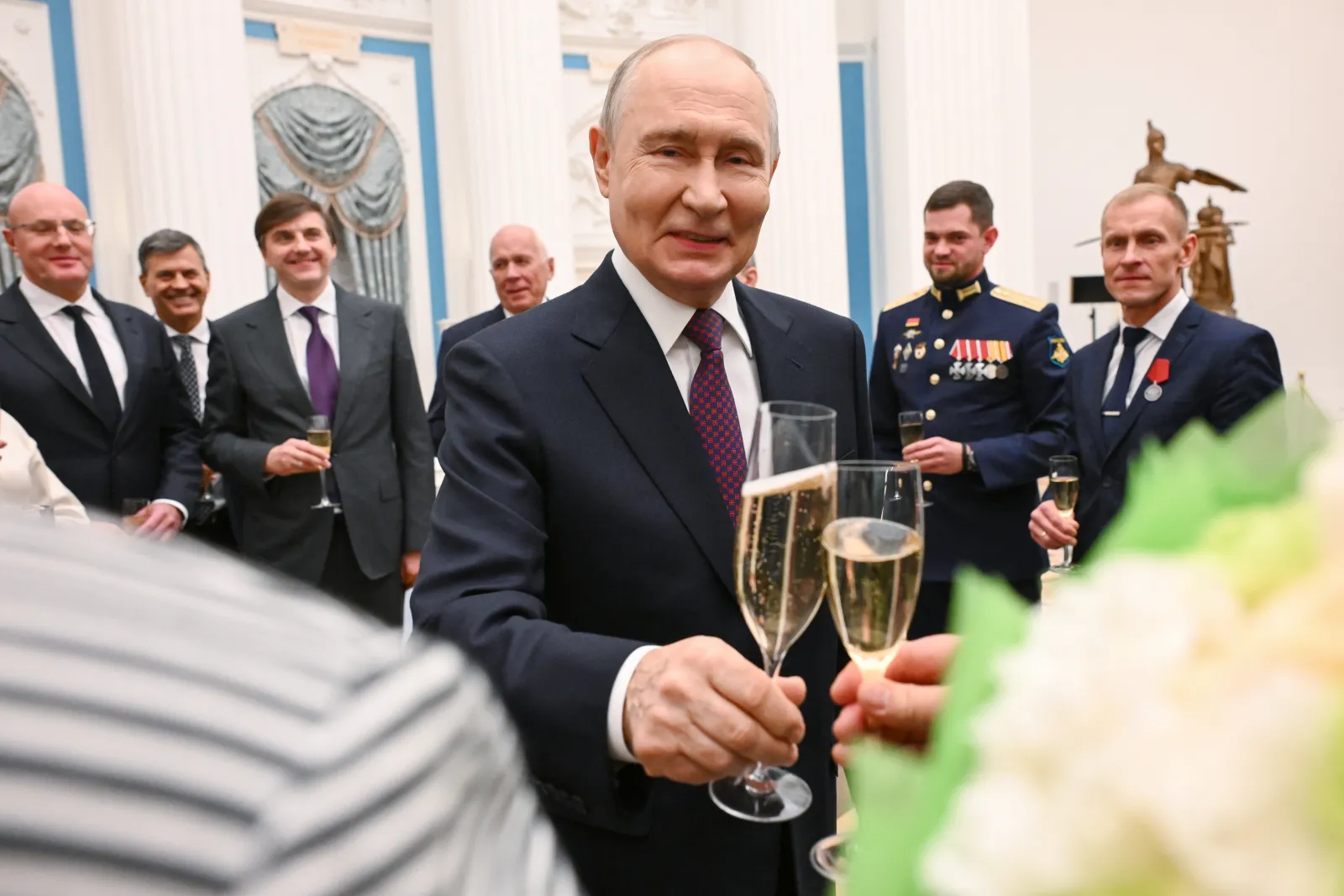
Vladimir Putin’s Birthday Plans
Putin is spending his birthday with family, undertaking and official duties, including preparations for a CIS summit in Turkmenistan, Russian state media outlet Tass reported.
President Alexander Lukashenko of Belarus, which sits on the EU’s eastern border and has never sought membership, was among those to send birthday messages to the Russian president, praising his “patriotism, strategic vision and determination contribute to the consistent defense of national interests.”
The Kremlin said in statement to mark the occasion that “Putin receives numerous congratulatory messages and telegrams from heads of state and government of foreign countries, heads of international organizations, representatives of socio-political circles.”