

Listen to this article
Estimated 4 minutes
The audio version of this article is generated by AI-based technology. Mispronunciations can occur. We are working with our partners to continually review and improve the results.
This year marks Rob Preston’s second mortgage renewal, and in his words, the joy that came with owning a home and renewing his mortgage for the first time is no longer there.
“It’s so stressful,” he said.
“Knowing that these rates are so much higher than where we were at before, and trying to maintain a business, maintain a family.”
Preston, who builds doctors’ offices through his construction business, owns a townhouse in Port Moody, B.C. He’s one of many homeowners whose COVID-19 pandemic-era mortgage is up for renewal this year, about five years since Canadian interest rates hit a record low.
As those rates have come back up, data suggests many in the province are feeling the pinch.
Preston said he’s expecting to pay anywhere between $600 to $1,200 more per month, depending on the rate he gets.
B.C. is among the top three provinces showing signs of financial strain, according to data on mortgage delinquency from a TransUnion report published on Aug. 25.
WATCH | Lower Mainland sees highest number of court-ordered listings in a decade: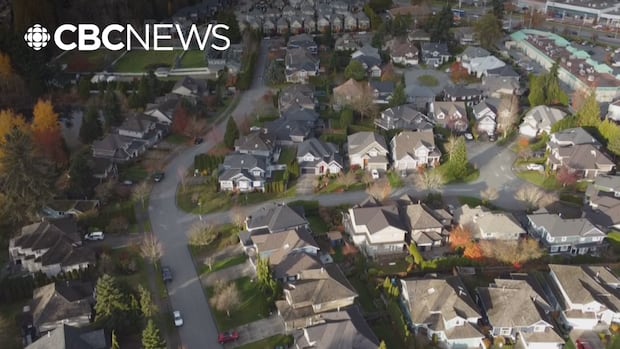
Court-ordered home sales hit 10-year high in Lower Mainland
With five-year mortgages signed during the pandemic now up for renewal, new data shows the number of court-ordered home sales in the Lower Mainland is at the highest it has ever been in a decade. The CBC’s Johna Baylon spoke to homeowners about how they are finding ways to hold onto their homes.
Between 2025 and 2026, B.C.’s mortgage delinquency rate increased by four basis points. PEI saw an increase of five basis points, and Ontario six basis points.
The report’s authors say that nationally, the increase on mortgage delinquency remains modest, but those in more expensive housing markets tend to have larger mortgage balances “and face greater exposure to affordability pressures and payment shocks,” the report reads.
“Especially Vancouver and certainly in Toronto, home values are a lot higher than, kind of, the national average,” said Matt Fabian, senior director of research and consultation at TransUnion. “As a result, the mortgages are larger and so the monthly payments are probably a little bit more stressful.”
Data also shows the highest number of court-ordered home listings in the Lower Mainland in a decade. Between Jan. 1 and Sept. 30 this year, there have been 946 total listings in the Greater Vancouver and Fraser Valley regions, according to property search platform Zealty.ca — higher than the yearly totals of the previous 10 years.
The data includes foreclosures as well as listings from estate settlements, family law-related filings, and bankruptcies.

There have been 946 court-ordered home listings in the Lower Mainland so far this year, according to data from Zealty.ca. That figure covers the number of listings between Jan. 1 to Sept. 30, 2026 — higher than the yearly total of the last 10 years. (Jonathan Hayward/The Canadian Press)
Hamidreza Etebarian, president of Zealty.ca, said he’s also noticed higher-end properties going into foreclosure.
“In the past it was more … apartment, condo, little bit of townhouse. Now we see a lot of single-family properties being foreclosed,” Etebarian said.
He said the low interest rates during the pandemic may have spurred people to purchase more expensive homes.
“The problem was the mortgages are very cheap, the interest rates are very low. So people could afford or buy a more expensive property and now the interest rates are higher. They cannot afford it anymore,” he said.
In April 2020, the prime lending rate was 2.45 per cent, as the Bank of Canada cut the key interest rate to 0.25 per cent. As of Wednesday, the prime lending rate is 4.45 per cent, with the key interest rate at 2.25 per cent.
Experts say that while the rate increase was to be expected, other factors weren’t.
“The acute pressure that we’re seeing is a combination of that which was expected, but also mixed in with the trade war, which was unexpected,” said Reza Sabour, a senior mortgage advisor with TMG The Mortgage Group.
“And then the surge in energy costs across the world due to the war in Iran and the Strait of Hormuz being closed and just energy markets being so riled up right now globally, where we’re seeing inflation pressures mounting on every global economy.”
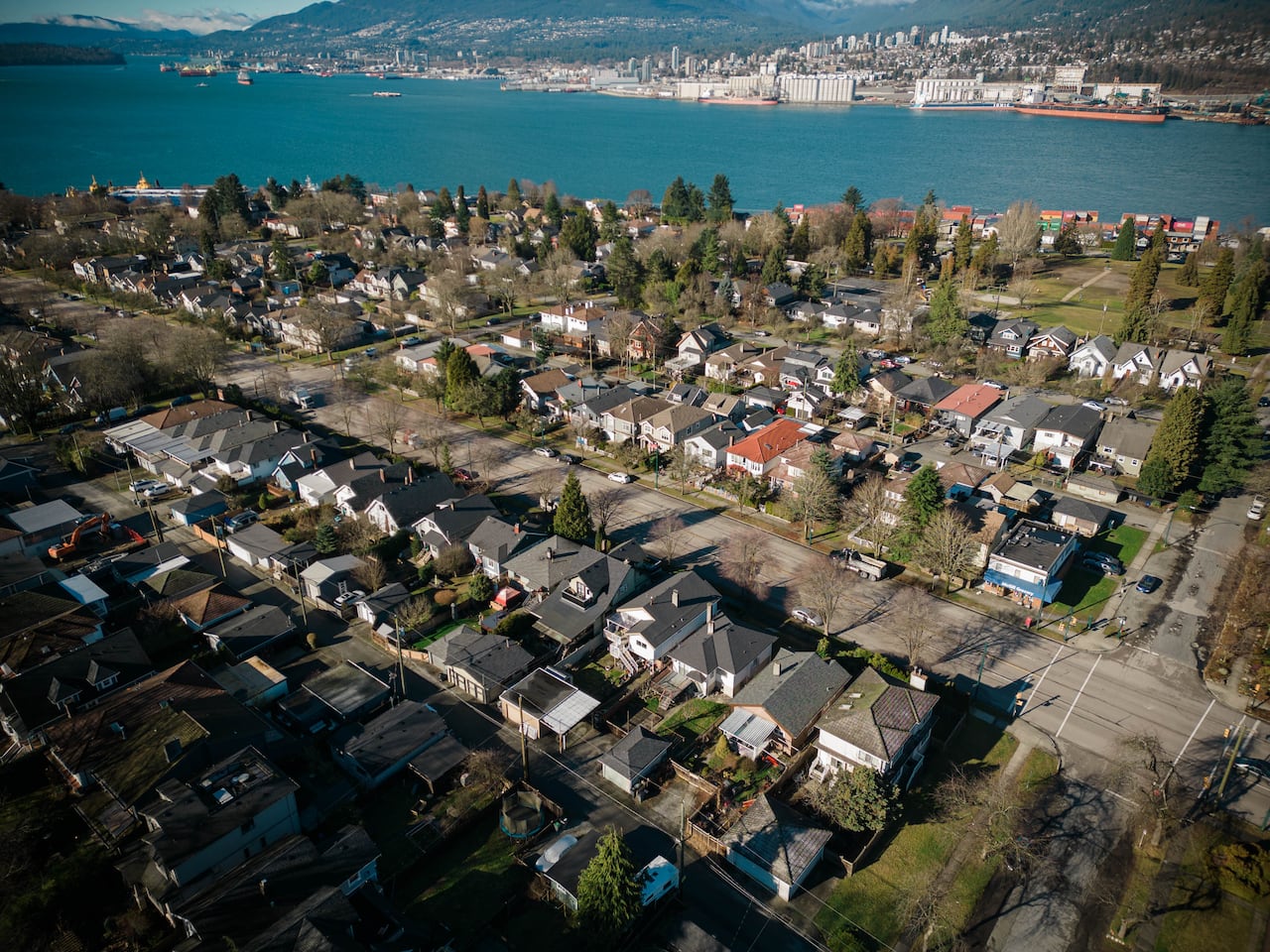
Experts say that the trade war with the U.S., the U.S. and Israel-Iran war, and the closure of the Strait of Hormuz resulting in high oil prices are contributing to the pressures homeowners are facing. (Gian Paolo Mendoza/CBC)
For Canadians struggling to make their mortgage payments, experts say it’s best to address the issue right away.
People typically have more options the sooner they address a financial issue, said Ali Harris-Saunders with the Credit Counselling Society.
“Having conversations with your lenders before financial difficulties become severe — it really does make a world of difference,” she said.
Sabour said lenders typically want to work with homeowners toward a solution.
“But if you don’t reach out and you kind of let that ball keep snowballing and building, it’s going to feel a lot harder when when things get more serious,” he said.
The next Bank of Canada rate announcement is set for Oct. 28.