
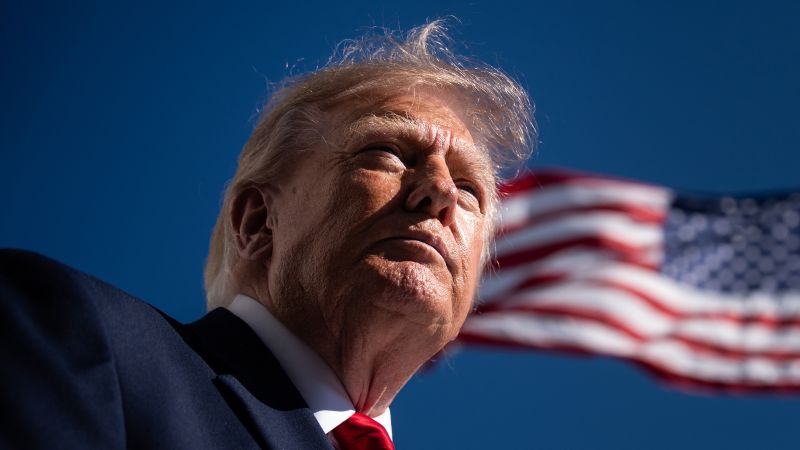
President Donald Trump’s declaration Thursday that he would not attack Iran again before next month’s midterm elections was an implicit admission of the damage being inflicted on Republican hopes by a war that has defied his promise of a quick victory.
Opposition to the conflict, and anger over the high gasoline and diesel prices it caused, are a prime reason why the GOP faces uphill or tight races for Congress in states like Iowa, Ohio and North Carolina that Trump easily won two years ago.
In that sense, Iran appears to have succeeded in its apparent effort to use the midterm elections to inflict political pain on Trump. It has failed, however, to turn that pressure into a retreat in which the president ends the war on its terms — one reason why an Iranian escalation in the next three weeks cannot be ruled out.
Trump’s reference to the election calendar on Thursday is the clearest indication yet that he is aware of the war’s negative impact on his party’s candidates amid a pitched battle for control of Congress. It is also a striking sign that he has become trapped in his own Middle East entanglement, which could be devastating to his party and his legacy, after promising in his second inaugural address only 20 months ago that his success would be measured by “the wars we never get into.”
And by leaving open the option of a resumption of attacks after the midterms, the president is offering new clarity on how he might finally end a war he said would last weeks that is now in its eighth month. The prospect that Democrats could claim at least one chamber of Congress in November, meanwhile, raises the possibility of a far more consequential political showdown in Washington over financing the war — and Trump’s legal standing in fighting it.
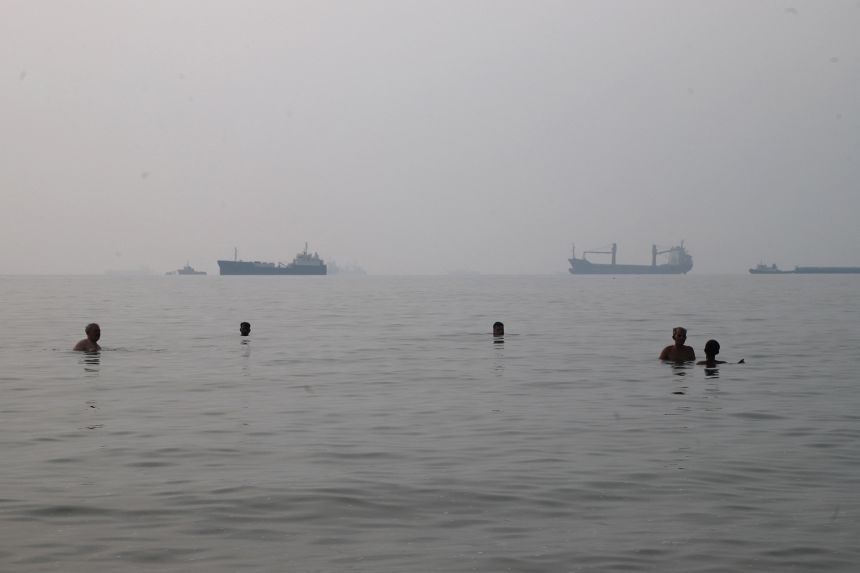
The president wrote on Truth Social that his blockade of Iran’s oil exports and ships had reduced the country to a “very bad condition” and added that “we will not be attacking Iran at any time prior to the Midterm Elections.”
Trump has hardly been consistent on Iran. He’s often reversed his strategy and statements, sometimes apparently seeking to confuse Iran’s leaders. So there is some doubt about whether his word is equivocal this time.
But he went public on his plans following reports by the Atlantic and Axios that he was considering a resumption of major combat operations before the election on November 3, being keen to show resolve to voters and to convince Americans that an end to the war and lower gas prices were on the way.
Launching strikes that would remind Americans how much they dislike the war would seem a questionable strategy, especially since some Republicans in close races want it over. “The war in Iran needs to end, and end quickly,” Michigan GOP Senate nominee Mike Rogers said in a social media video late last month.
Iran hoped economic pressure would force Trump’s hand
Iran, a nation that helped wreck Jimmy Carter’s presidency with a hostage crisis in the run-up to the 1980 election, has played into the current election campaign by obstructing oil supplies in the Strait of Hormuz and elsewhere.
The war threatens to be devastating to some Republican candidates because it created a tangible link between Trump’s own decision-making and the high prices that are hounding family budgets. In a new CNN/SSRS poll on Thursday, more than 7 in 10 voters in Iowa and Ohio, home to critical Senate contests, said Trump’s policies had increased the cost of living. A new Pew Research Center report Thursday showed that 74% of Americans are concerned about the price of gas and energy. Before the war, 43% said so.
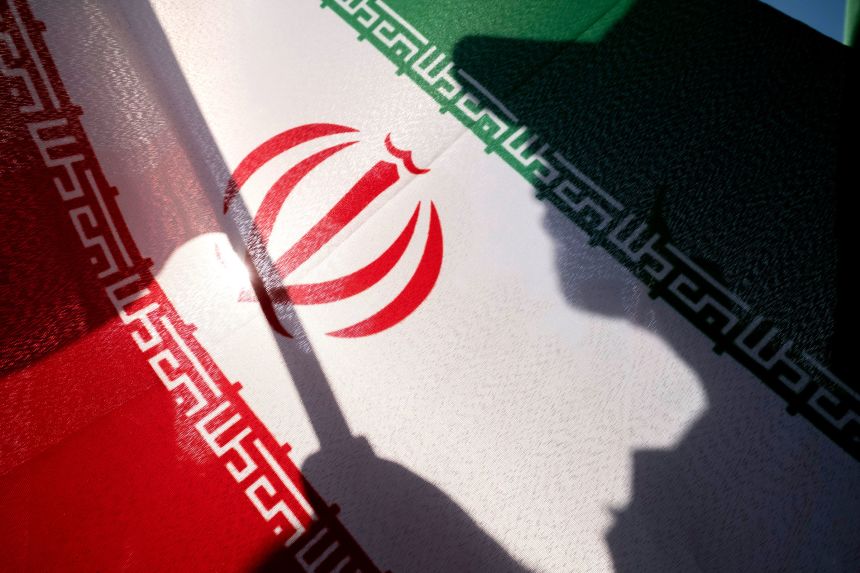
Trump has sought to decouple the midterm elections from the war in an apparent effort to reduce Tehran’s leverage.
The question all along has been whether Iran’s capacity to endure war-inflicted pain can outlast Trump’s capacity to bear the political fallout caused by economic disruption in the US.
“They thought they were going to outwait me; you know, ‘We’ll outwait him. He’s got the midterms.’” Trump said at a Cabinet meeting in May. “I don’t care about the midterms.”
Late last month, the president said, “I believe we’ll make a deal right after the election, because it doesn’t make sense for them not to.” He added: “They’re waiting to see how I do in the midterm election.”
Given his frequent rhetorical and strategic reversals during the war, Trump has surprised some observers by sticking to his blockade strategy following the latest eruption of violence in late August and early September.
His argument that the US is winning is supported by signs that Iran’s grip on the Strait of Hormuz — its key strategic gain of the war — has loosened. Oil flows from the Gulf states apart from Iran returned almost to normal in an operation coordinated by the US military. But progress is fragile. Reuters reported there were only seven crossings of the strait Tuesday — the lowest level in more than two months — and only 10 on Wednesday, following an uptick of attacks and harassment on tankers.
And while officials argue the US blockade on Iran is working, there’s been no political payoff to help Republican candidates.
Gasoline prices still stubbornly average $4.36 a gallon nationally, and diesel remains punitively expensive, despite falling back from record highs last month.
The reality of a multi-front war that could expand at any moment was underscored when fighting intensified between Yemen’s Houthis and Saudi Arabia — pushing the cost of benchmark Brent crude up 4% Thursday.
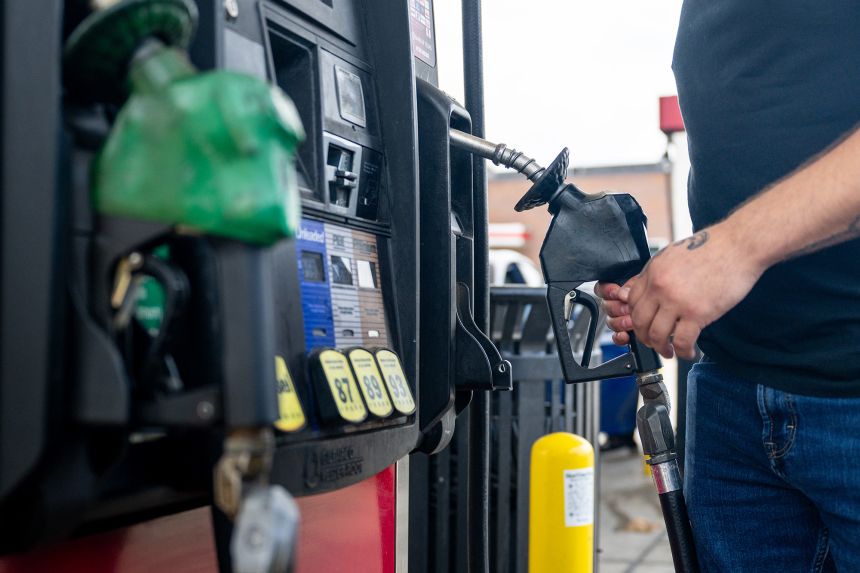
That likely means more pain at the pump for Americans. And even if prices did somehow fall before Election Day, no one is getting back all the extra cash they’ve spent on gasoline since the start of the war.
So the administration must fall back on more promises the war will soon end. “I think it could be within weeks or months — and the (Iranian) economy doesn’t have to collapse, we just have to have the regime come to their senses,” Treasury Secretary Scott Bessent said at G20 talks on August 31.
This sense of certainty may explain why Trump rejected Iran’s offer of a pre-midterm win at the end of September to reopen the strait and to resume nuclear talks in a return for the easing of the blockade.
On the campaign trail, Trump has struggled to convince Americans that his strategy can deliver, even if it represents the most sustained and comprehensive economic coercion the US has ever used against Iran.
There’s no doubt that the US is causing greater pain inside Iran than Tehran is imposing on Americans. Inflation is soaring. Its currency, the rial, is tumbling. According to the New York Times, Iran’s national security adviser Mohsen Rezaei was reported by the official IRNA news agency on Saturday as saying the current circumstances are among the most difficult periods the country has faced.
But Trump’s argument to voters that an Iranian surrender is around the corner does not yet stand up. On Tuesday, Rezaei warned that Iran would never surrender. “Bessent’s delusional forecasts never had any credibility in the first place,” he wrote on X. “His latest propaganda will have an equally short shelf life. You lost the military war. You will fail in the economic war, too.”
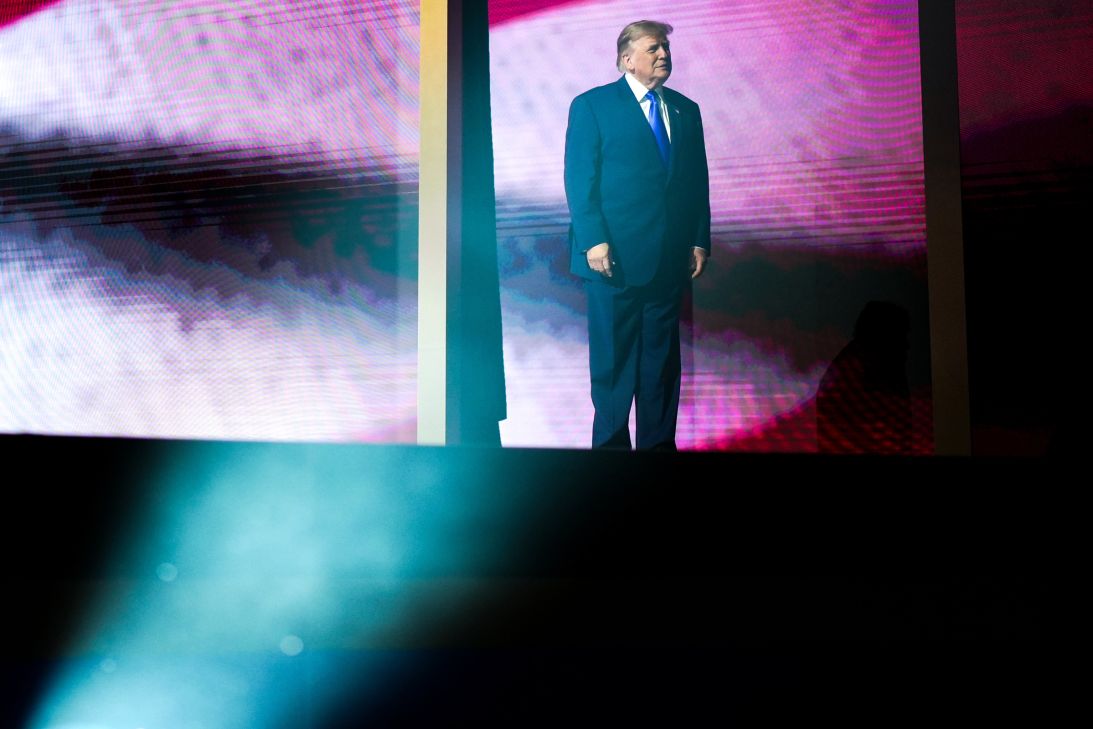
Trump didn’t rule out new attacks after Election Day.
The Wall Street Journal reported last week that the administration is sending another aircraft-carrier strike group and an additional Marine expeditionary unit to the Middle East. It said that Trump recently told aides he expects to resume bombing Iran after the midterms.
Waiting until after Americans vote would alleviate some of the immediate political pressure on the president — even if it sends oil, gasoline and diesel prices soaring again, to the discomfort of millions of Americans.
But if Democrats win either the House or the Senate, his window may be narrow. Showdowns would erupt next year over presidential war powers and financing of military operations against Iran, which had already cost $45 billion by mid-September.
And a new burst of military action would present Trump with a familiar question. If previous aerial onslaughts from the air did not change Iran’s stance, why would a new one be any different?