
Nova Scotia·New
The ruling comes in the case of a Mi’kmaw man with severe mental health challenges who was sentenced in Nova Scotia to five years in prison after pleading guilty to aggravated assault against his partner, a Mi’kmaw woman.
Supreme Court of Canada rules on appeal involving Mi’kmaw offender and victim from N.S.
The Canadian Press · Posted: Oct 09, 2026 11:39 AM EDT | Last Updated: 1 hour ago

Listen to this article
Estimated 2 minutes
The audio version of this article is generated by AI-based technology. Mispronunciations can occur. We are working with our partners to continually review and improve the results.
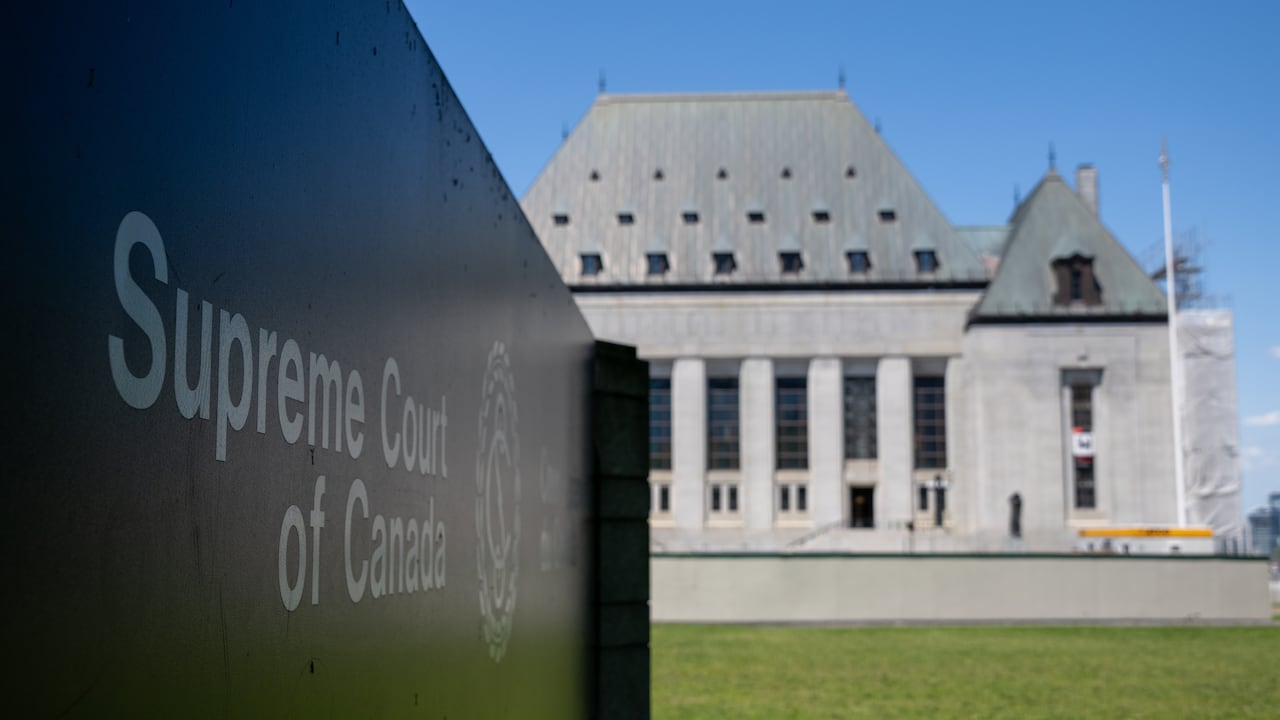 The Supreme Court of Canada in Ottawa. (Benoit Roussel/Radio-Canada)
The Supreme Court of Canada says in cases where an Indigenous offender commits an offence against an intimate partner who is an Indigenous woman, a judge must apply sentencing principles related to both Indigenous offenders and victims of crime in a harmonious way.
In a 5-4 judgment today, the top court provided guidance and set out a new framework for determining an appropriate sentence in such cases.
The court says Indigenous people are disproportionately and excessively imprisoned, while Indigenous women and girls suffer from unacceptably high levels of violence and abuse.
It says both of these issues have been shaped by the experiences of colonization, and addressing them together is central to the ongoing process of reconciliation.
The ruling comes in the case of a Mi’kmaw man with severe mental health challenges who was sentenced in Nova Scotia to five years in prison after pleading guilty to aggravated assault against his partner, a Mi’kmaw woman.
A majority of the Nova Scotia Court of Appeal reduced the sentence to three years, and the Supreme Court ruled today the three-year sentence should stand.
MORE TOP STORIES
Corrections and clarifications·Submit a news tip·Report error