
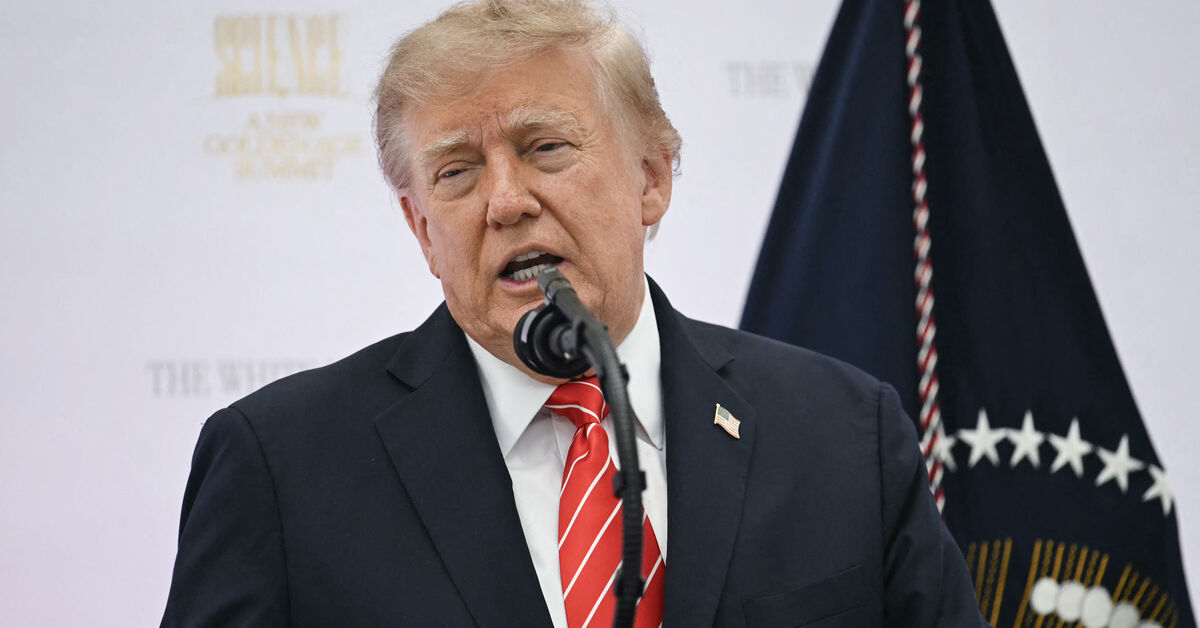
Many of President Donald Trump’s critics view diplomacy and military pressure as somehow in conflict, or an absence of strategy, in dealing with Iran. In reality, they are inseparable. Trump’s latest comments on Iran underscore a basic principle of statecraft: negotiations are most likely to succeed when both incentives and consequences are clear.
Trump moved to calm speculation this week by stating that the United States will not attack Iran before the Nov. 3 midterm elections and that “productive discussions” are underway. His message was notable not because it abandoned pressure, but because it paired resolve and restraint with a renewed opening for diplomacy.
The signal was reinforced by Vice President JD Vance, who told Reuters that Iran must make a “meaningful” reduction in its enrichment capacity and halt production of highly enriched uranium, now at near weapons-grade levels of 60%.
The administration’s position conveys confidence rather than urgency. Washington recently rejected an Iranian proposal floated during the UN General Assembly that would have linked a reopening of the Strait of Hormuz and renewed nuclear talks to the lifting of sanctions, the release of frozen assets and an end to restrictions on Iranian oil exports.