
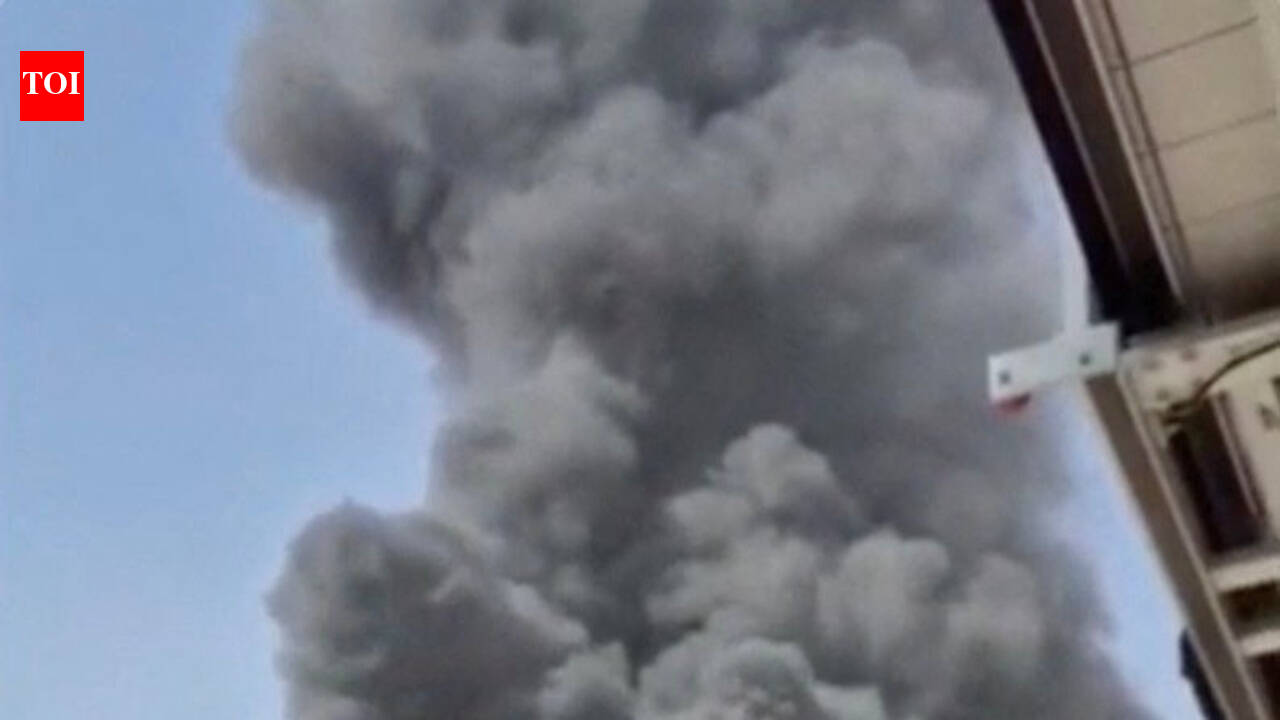
The Iran war enters a dangerous new phase as fighting spreads across the Middle East, raising fresh concerns over regional security, energy supplies and civilian safety. A missile strike on King Khalid International Airport in Saudi Arabia’s capital Riyadh killed 12 people and injured more than 300, Saudi civil aviation authorities said on Sunday. The Saudi-led coalition blamed Iran-backed Houthi rebels in Yemen, calling the attack a war crime and vowing a response.
US President Donald Trump said Washington was considering joining Saudi strikes against the Houthis, warning that the attack was unacceptable. US Secretary of State Marco Rubio condemned the strike after confirming that an American citizen was among those killed. The attack, described as the deadliest in a Gulf Arab country since the Iran war began, has intensified pressure on Saudi Arabia’s allies to provide military support.
The escalation comes as Saudi Arabia faces a reported shortage of missile interceptors and has sought air defence assistance from France, Britain, Pakistan and Egypt. Houthi attacks have also disrupted flights to and from Saudi airports, with several international airlines suspending services and aviation authorities warning of increased risks to civilian aircraft.
Meanwhile, the conflict continues to threaten critical shipping routes and energy infrastructure across the region. The Houthis’ expanding role in the war has raised concerns over the Red Sea corridor, an important alternative shipping route as Iran-related hostilities continue to threaten maritime traffic around the Strait of Hormuz. The latest developments underscore the growing risk of a wider regional confrontation involving Iran, Saudi Arabia and the United States.