
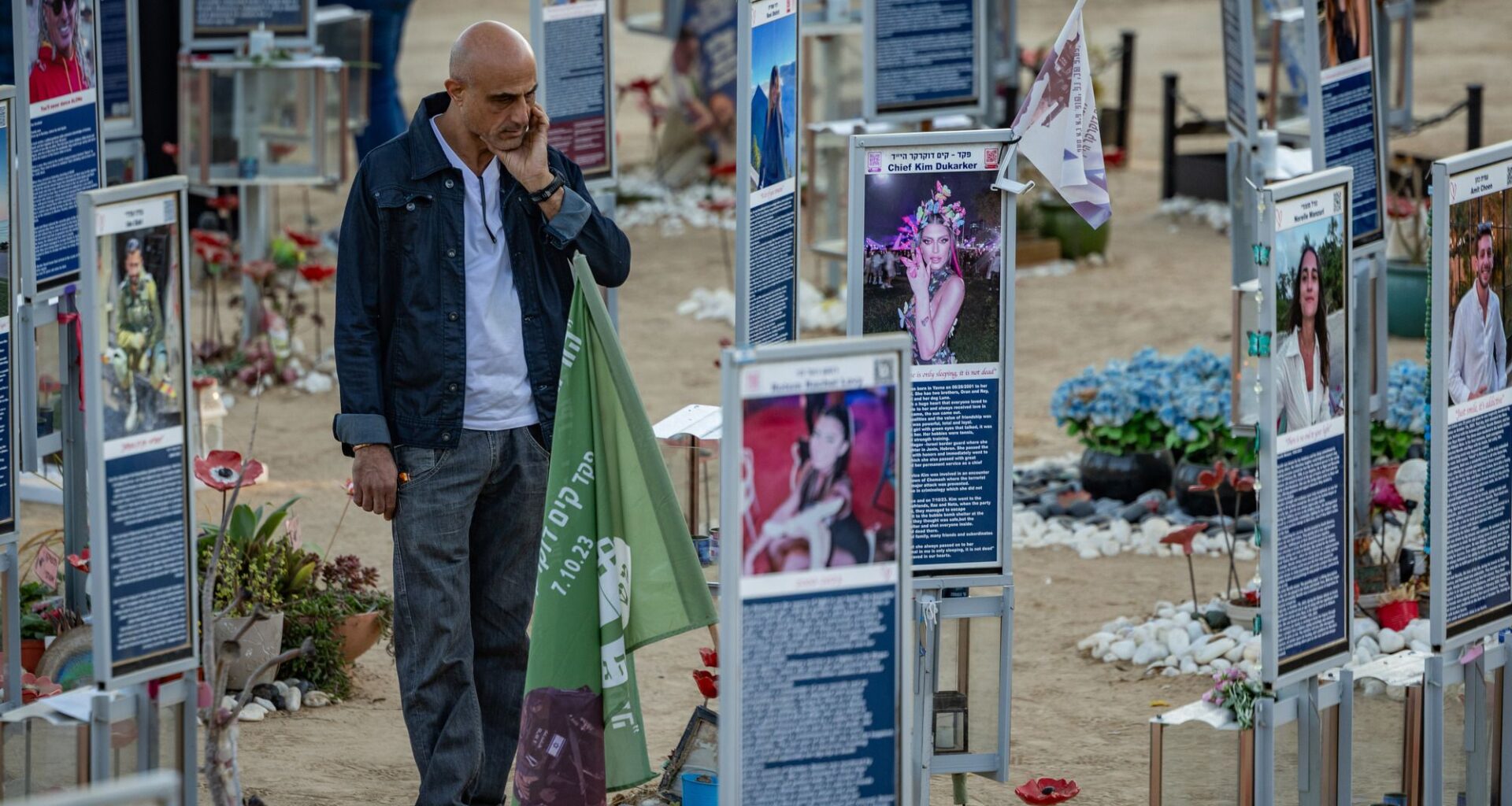
Three years after the October 7 attack, one in five Israelis continues to report severe impairment in daily functioning due to their mental health, according to the latest National Mental Health Barometer. The findings are based on a nationally representative sample of Israel’s general population, updated through May 2026.
The study conducted by Clalit Health Services’ Research Institute and the Myers JDC Brookdale Institute says between October 2024 and May 2026, there was no decline in the rate of functional impairment, even as symptoms decreased. Among those who reported significant symptoms of anxiety, depression, or post-traumatic stress, approximately half continue to report significant distress.
The researchers described a “dramatic and unprecedented” level of exposure to trauma by international standards. About 15% of respondents placed themselves at the highest level of personal exposure, meaning they were present at the October 7 events or later terror attacks, or knew someone closely who was injured, killed, or abducted.
After the September 11 attacks in the US, about 4% of the population experienced direct exposure.
Women reported higher levels of psychological distress and functional impairment than men. The highest rate was among women aged 18 to 35, at 32%, compared with approximately 20% in the overall sample.
The rate was 26% among women over 35 and 19% among men.
The greatest impact was social. While going to work and managing the household remained relatively stable, 50% said their leisure activities had been affected, and 35% said they had difficulty forming and maintaining close relationships.
Hadar Samuel, a researcher at the Myers JDC Brookdale Institute, said, “People are reducing their leisure activities, struggling to maintain close relationships and in some cases becoming more isolated, precisely when family, friends, routine and activity are among the key sources of support they themselves identify as helping them cope.”
About one third of the population report needing mental health treatment, and approximately half of them did not seek care. Of those who did not seek treatment, 23% said they wanted to cope on their own, and 17% were not interested in the treatment offered by the healthcare system. Only 38% of those who crossed the clinical threshold for post-traumatic stress returned to the normal range, compared with about half for anxiety.
Prof. Ran Balicer, deputy director general of Clalit Health Services, said that “psychological distress is becoming chronic for a significant part of the population and is accompanied by deep functional impairment.” He added: “We have much work ahead to continue expanding mental health services, remove barriers to access, and make proactive and diverse treatment more accessible, tailored specifically to groups at risk.”
SPECIAL EDITION | Stay tuned for the October 7 ceremony: Memorial ceremony to be held at 2:15 PM EST, 9:15 PM IST | Wednesday, October 7th 2026