
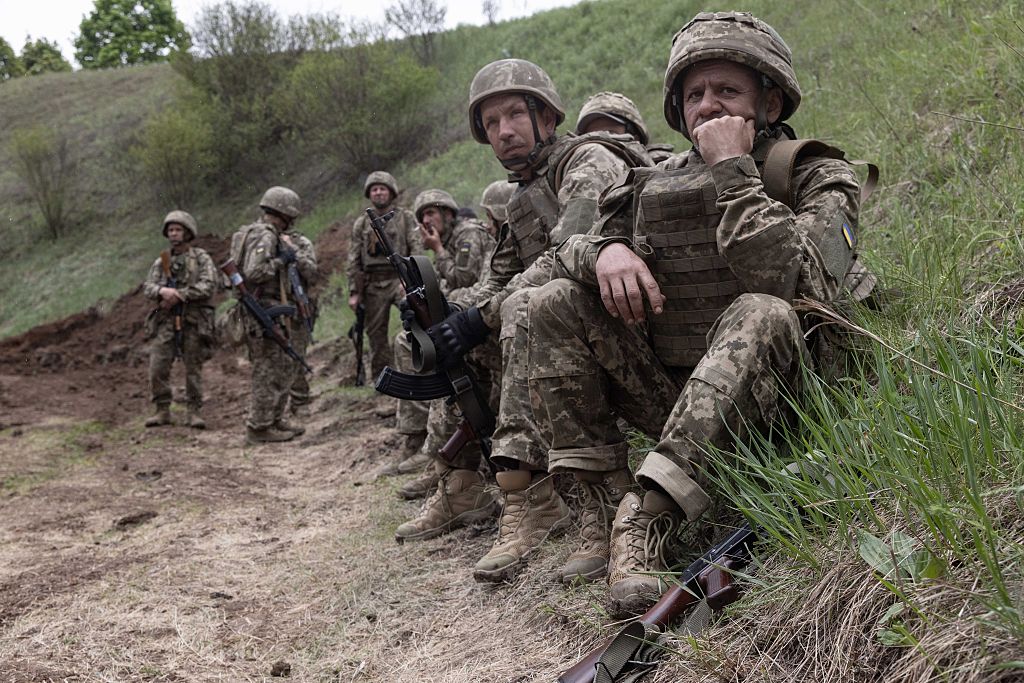
War is in the air in Europe. Over the four years and counting that it’s raged, the Ukraine war has often been compared to the two world wars, being the largest land war the continent’s seen since the second of those and having surpassed the length of the first this past June. But unlike those disastrous conflicts, the fighting in Ukraine has not become a true continent-wide affair that’s dragged the rest of Europe’s powers into the fray — so far.
It is becoming alarmingly uncertain how much longer that will hold. For nearly five years, both Russia and European North Atlantic Treaty Organization (NATO) states have been at pains to avoid being pulled into direct war with each other. But as Ukraine’s war effort falters, there are mounting signs of the conflict spiraling into generalized warfare. Between escalations, accidents, and a thick haze of sometimes purposeful misinformation, the risk that the conflict may spin out from yet another European bloodbath to something even more cataclysmic has perhaps never been higher.
It’s a bitter vindication for antiwar voices who warned for years that NATO member states were sleepwalking into a wider, more dangerous confrontation with Russia. The question now is what can be done to forestall their darkest predictions.