
Saudi Arabia is running low on air defense interceptor missiles as it faces repeated Houthi attacks, including recent strikes on its airports, while Iran has offered to facilitate dialogue between Saudi Arabia and the Houthis aimed at reaching a political settlement.
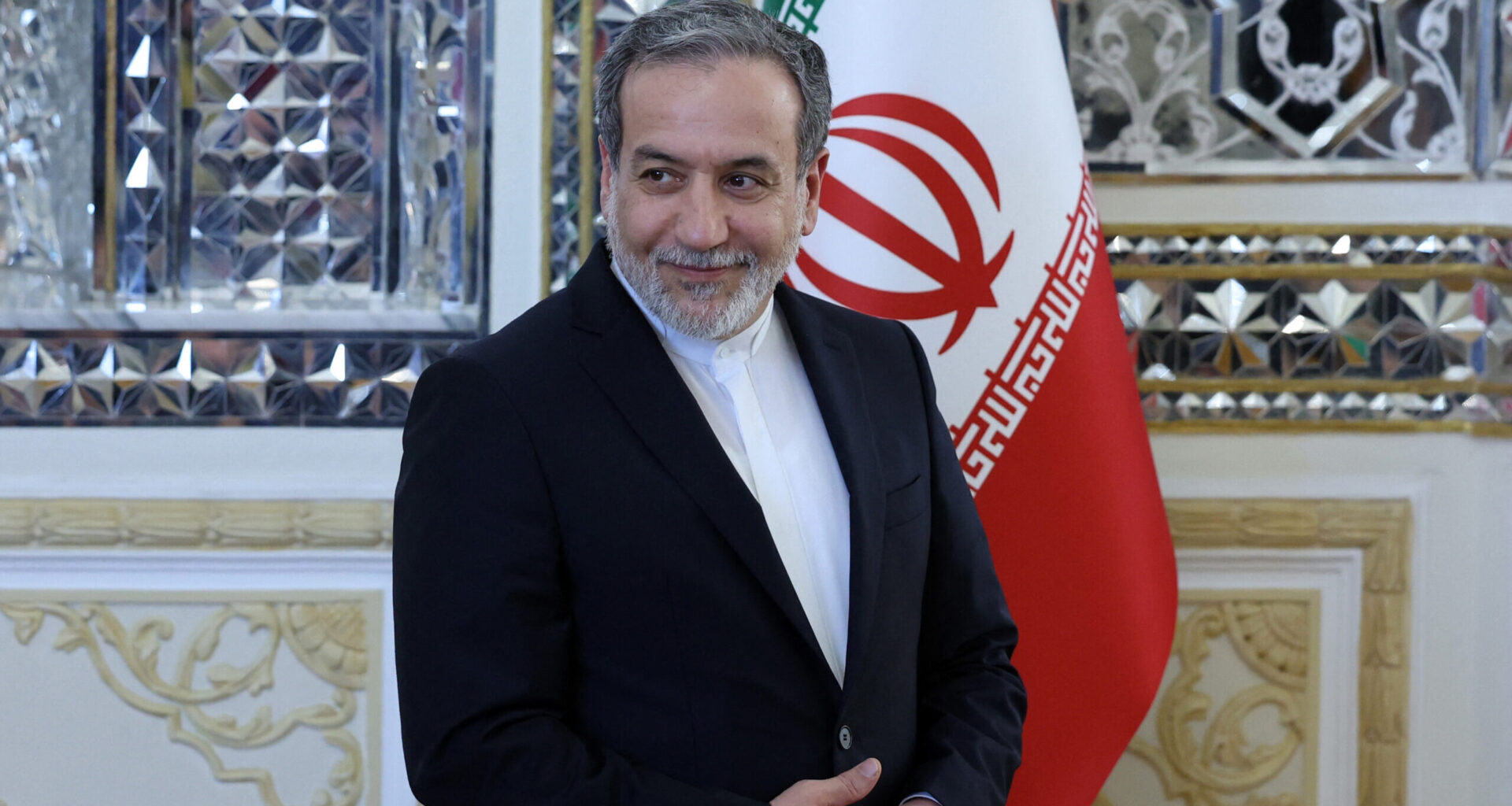
Iranian Foreign Minister Abbas Araghchi made the offer Monday night during a phone call with Saudi Foreign Minister Prince Faisal bin Farhan, according to the official news agency IRNA. It was their first publicly reported contact since regional violence sharply escalated.
Araghchi said that continued reliance on military action while disregarding diplomatic options would deepen regional instability, arguing that the crises cannot be resolved through force.
Meanwhile, the dwindling supply of interceptor missiles is forcing the kingdom to reposition missile batteries to protect critical energy infrastructure and royal palaces, The Wall Street Journal reported.
The shortage is constraining Saudi Arabia’s ability to defend its territory against continued drone and cruise missile attacks by the Iran-backed Houthi rebel group in Yemen, according to the Journal.
Saudi-led coalition forces announced Monday that they intercepted another Houthi ballistic missile headed toward Khamis Mushait in southwestern Saudi Arabia. Sirens had sounded shortly beforehand over launches near the neighboring city of Abha.
“The coalition intercepted and destroyed a ballistic missile launched by the Houthi terrorist militia towards Khamis Mushait,” coalition spokesman Maj. Gen. Turki al-Malki wrote on X.
Saudi Arabia’s General Authority of Civil Aviation separately reported casualties and damage in the latest Houthi attack on Riyadh International Airport. A Pakistani national was killed and 11 other people were injured, the authority said. The airport sustained damage, although its severity has not been disclosed.
The attacks prompted renewed concerns elsewhere in the Gulf over regional defenses. Anwar Gargash, an advisor to the president of the United Arab Emirates, called for Gulf states to strengthen their security and defense partnership, saying the attack on Saudi Arabia threatened security across the region.
“The neglect of Gulf state security encourages other actors to respond with exceptional measures toward regional states,” Gargash said.
The Federal Aviation Administration also warned US airlines to exercise caution while flying to or over Saudi Arabia, citing safety risks associated with ongoing military activity and interference with navigation systems.