
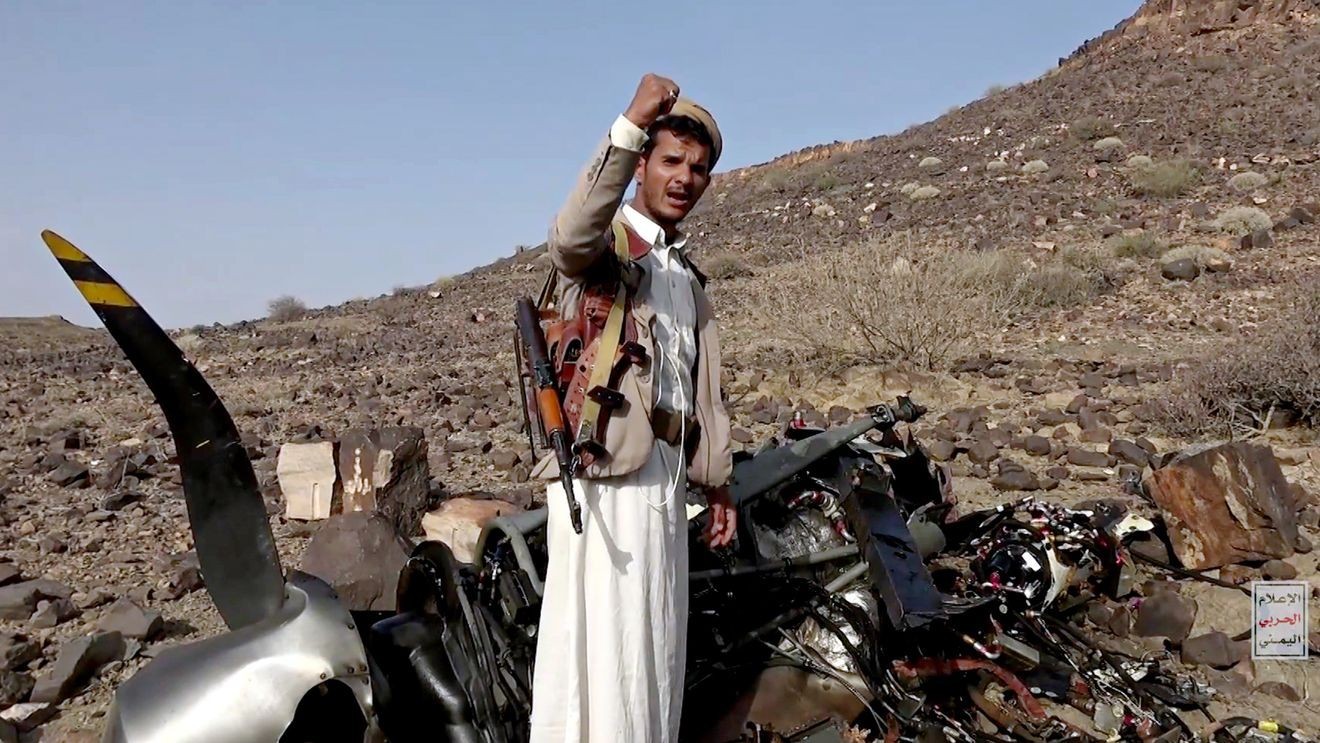
WASHINGTON (FCT) — The Iran-backed Houthi movement has emerged as a major military force in the Middle East, raising concerns about regional security after a deadly attack on Saudi Arabia’s capital intensified tensions across the region.
The October 10 and 11 attack on King Khalid International Airport in Riyadh that left 12 dead renewed questions about the group’s military capabilities, its relationship with Iran and whether its attacks are becoming more frequent.
Here’s what to know about the Houthis, where they operate and what the latest reports reveal about the threat they pose.
Who are the Houthis?
The Houthis, also known as Ansar Allah, are an armed political and military movement based in Yemen. The group emerged from Yemen’s Zaydi Shia community and took control of the capital, Sanaa, in 2014.
The Houthis now control much of northern Yemen, including heavily populated areas along the Red Sea. Their takeover of Sanaa helped trigger a civil war and a Saudi-led military intervention in 2015.
Since then, the movement has developed significant military capabilities, including ballistic missiles and drones. It has used those weapons against regional adversaries and targeted commercial shipping in and around the Red Sea.
The group’s position near the Bab el-Mandeb Strait, a strategic passage connecting the Red Sea with the Gulf of Aden, gives it the ability to threaten a major international shipping route.
Who funds the Houthis?
Iran is the Houthis’ primary external backer. U.S. officials and analysts have documented Iranian support for the group, including weapons, training, intelligence and technical assistance that has helped the Houthis develop and deploy missiles and drones.
The U.S. Treasury Department has also targeted financial and smuggling networks accused of helping the group acquire weapons and generate revenue.
However, Iranian support does not automatically establish that Tehran directed every Houthi military operation. The Houthis maintain their own leadership, political objectives and military command structure.
Iran has also warned that expanded military intervention in Yemen could have serious consequences for regional stability. The Houthis, meanwhile, have presented their attacks as responses to military actions against them.
Those competing claims are important to distinguish from independently verified evidence about who planned or carried out a specific attack.
What happened in Riyadh?
A deadly attack on King Khalid International Airport in Riyadh on October 10 heightened concerns about the Houthis’ ability to threaten targets deep inside Saudi Arabia.
CNN reported that the airport had been struck three times in one week. The incident came amid escalating regional hostilities and reports of additional missile activity directed toward Saudi territory.
The latest attacks have raised questions about the effectiveness of regional air defenses and the risks to civilian infrastructure.
Attribution is also important. Initial reports did not establish responsibility for every individual strike, making it necessary to distinguish confirmed details from claims made by governments or armed groups. CBS News reported on Monday that at least 20 people in total have been killed.
Are Houthi attacks increasing?
Recent reports indicate an intensifying threat to Saudi Arabia, including repeated strikes on Riyadh’s airport and reports of missile launches toward Saudi cities.
But determining whether Houthi attacks are increasing overall requires more than counting incidents at a single location.
A comprehensive assessment would need to compare verified attacks over consistent time periods, distinguish attempted launches from successful strikes, and account for missiles and drones intercepted before reaching their targets.
It would also need to separate attacks attributed to the Houthis from incidents involving other armed groups or unidentified perpetrators.
The reported three strikes on Riyadh’s airport in one week provide a clear indication of the immediate threat, but they do not establish a complete tally of Houthi attacks across the region.
Why the Houthis matter beyond Yemen
The Houthis’ military capabilities extend the consequences of Yemen’s conflict well beyond its borders.
Missile and drone attacks can threaten airports, energy infrastructure and other critical facilities. Attacks on commercial shipping can also force vessels to avoid the Red Sea, increasing travel times and transportation costs.
The group’s relationship with Iran adds another layer of concern because its military activities intersect with wider regional rivalries.
As tensions continue, the central questions are whether attacks will intensify, how effectively regional defenses can respond and whether diplomatic efforts can prevent further escalation.
The latest incidents demonstrate the Houthis’ ability to threaten regional security. Establishing the full scale of the escalation, however, will require reliable incident counts and independently verified information about responsibility for individual attacks.