
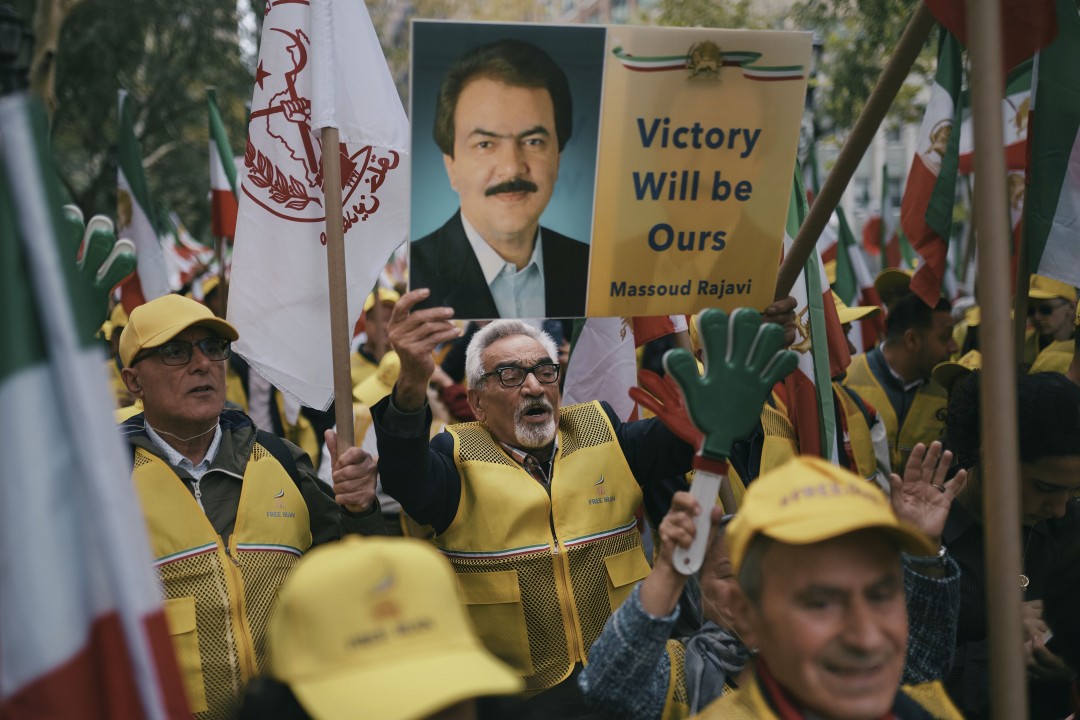
Iran’s leaders may be at war with the US and Israel, but a new Reuters investigation argues their most relentless campaign is aimed inward—at their own citizens. The outlet details how a surge of protests over Iran’s economic collapse last winter has been met with what one rights lawyer calls “one of the darkest periods in contemporary Iranian history”: thousands jailed, at least 34 protesters executed in months, and trials that move so quickly lawyers can barely get in the door. Fast-track death sentences, closed courts, and televised “confessions” are described as tools in a coordinated effort by security forces, judges, and state media to intimidate the wider public.
Reporters Nilo Tabrizy, Mari Saito, Emily Giles, and Kaylee Kang also track how that pressure crosses borders. Iranians in Turkey, Armenia, and Georgia who post or protest against Tehran say relatives back home are summoned, threatened with asset seizures, or shown thick case files built from Instagram posts. Some dissidents abroad report frozen bank accounts, cancelled passports, and warnings of kidnapping or worse. Reuters says the pattern adds up to a wartime security state using both the gallows and bureaucracy to smother dissent. For the full investigation and sourcing, read the original piece at Reuters.