
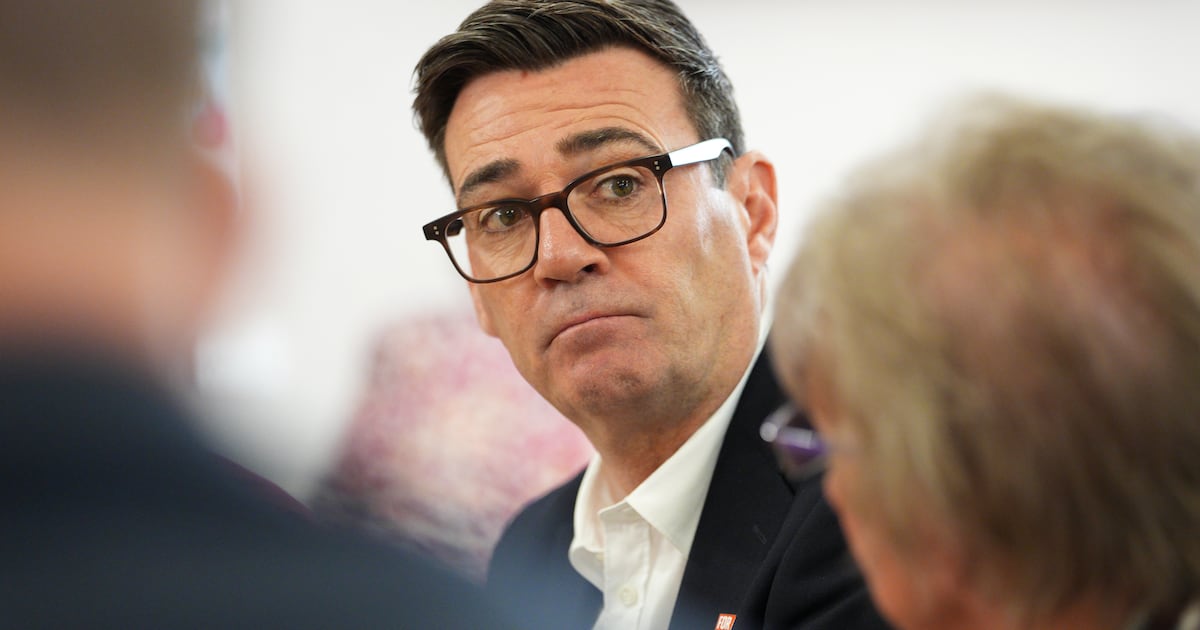
If Brexit dominated the past decade for Britain, many in the halls of power in Westminster believe asymmetric conflict with Russia may dominate the next one.
UK prime minister Andy Burnham managed to combine both issues at the weekend by appearing to suggest that Russia had influenced the result of the 2016 Brexit referendum.
Downing Street spent much of Monday trying to walk his comments back.
Burnham gave a Monday afternoon statement on global affairs to the House of Commons, in which he welcomed efforts to secure a so-called “energy ceasefire” between Russia and Ukraine preventing them from attacking each other’s energy infrastructure.
Donald Trump had – seemingly prematurely – announced such a ceasefire at the weekend, although Ukraine accused Russia of continuing to hit energy targets. Burnham, meanwhile, suggested he gave the US president the idea for the ceasefire when they met last month in New York.
The prime minister told the Commons on Monday an energy ceasefire would be the “quickest” way to calm events “without rewarding the aggressor”, a deft admonishment of Trump for his recent deal with Russian president Vladimir Putin for Russia to supply 1.8 million tonnes of diesel to the US.
Most of the questions from MPs after Burnham’s statement, however, focused on his comments about Russia and Brexit on The Rest Is Politics, the podcast hosted by former Labour communications chief Alastair Campbell and former Tory politician Rory Stewart.
“I asked the question coming to Downing Street: ‘Was there interference in the 2016 [Brexit] referendum from Russia?’” Burnham told Stewart in podcast excerpts released on Sunday. “And I’ve had the clear answer that yes, there was.”
The remarks immediately caught the attention of the Westminster milieu as, for the first time, a UK prime minister appeared to openly suggest the result of the referendum and Brexit itself may have been swayed, at least in part, by Putin’s Russia.
[ Why Andy Burnham says ‘Brexit has done more harm than good’Opens in new window ]
That opened up the obvious question of whether Burnham believed the result of Brexit vote was legitimate, given the possibility of Russian interference.
Stephen Doughty, a minister in the foreign office, was sent on to the airwaves first thing on Monday morning to douse the burgeoning story created by Burnham’s comments. He said Russia had “certainly” attempted to influence Brexit, but insisted it had not succeeded.
Later on Monday morning at Downing Street’s daily briefing for Westminster journalists, an official tried further to water down the clear suggestion from Burnham that Russia had a hand in Brexit. A spokesman said that on past form, it was “inconceivable” Russia had not tried to meddle in Brexit, but played down there being direct evidence that it had actually done so, which is what Burnham had implied on The Rest Is Politics.
So what, then, did the prime minister mean when he said he had been told of “clear” interference? The spokesman would not address this point.
Later in the afternoon, after much haranguing from opposition MPs in the Commons, Burnham eventually declared his “respect” for the Brexit referendum result.
The Tories, meanwhile, accused him of trying to “unpick” it.