

Listen to this article
Estimated 3 minutes
The audio version of this article is generated by AI-based technology. Mispronunciations can occur. We are working with our partners to continually review and improve the results.
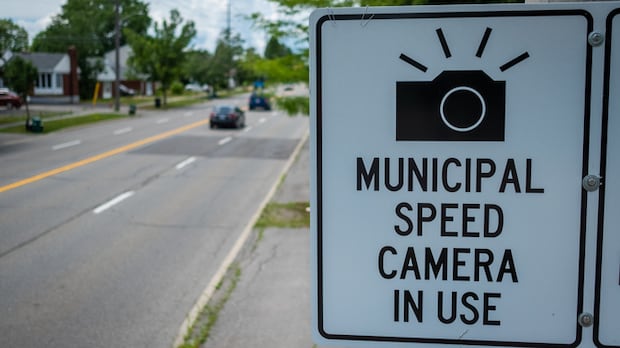
Nova Scotia will not allow municipalities to install automated traffic radar cameras, despite the existence of a framework in the province.
A recent government announcement detailed the new Traffic Safety Act, which comes into effect Oct. 19.
But the minister of public works said issues around privacy, consultation and further research are stopping the province from giving municipalities the green light.
“If and when we decide that that’s an option or something that the government wants to do, we will push that forward,” Public Works Minister Fred Tilley told reporters on Oct. 7.
“But as of right now, it’s not on our table.”
Halifax Regional Municipality has been pushing for this kind of electronic enforcement for about a decade, according to District 10 Coun. Kathryn Morse.
She said she is unaware of what further research the minister is referring to.
David Trueman, the chair of the Halifax Cycling Coalition, said not including these cameras in the TSA is a clear shortcoming and the notion of needing more research is “ridiculous.”
“That’s just political-speak for, ‘We don’t want to do it now. It might be politically dangerous,'” Trueman said.
When asked for clarification on what research is needed, public works said there is still work to do to understand the overall costs, how traffic radar cameras would improve safety on roads and if they can be enforced in Nova Scotia.
“Electronic enforcement is not something that will be coming to Nova Scotia roads soon,” a spokesperson for the Department of Public Works said in a statement to CBC News.
As chair of HRM’s transportation standing committee, Morse said the TSA will give municipalities more say in setting things like speed limits on residential streets and bike lane use, but the decision to not allow municipalities to install traffic radar cameras is disappointing.
Morse wants to see these cameras in the municipality to help address speeding and safety issues raised in a recent road safety report that showed people’s perception of safety is dropping.
“People do not feel safe on our roads,” Morse said in an interview with CBC News.
“They find there’s a lot of aggressive driving out there and a lot of speeding and now we are going to be missing out on one of the best tools we could have had to fix the problem.”
While speaking to reporters, Tilley said one of the province’s considerations is that other provinces have removed electronic enforcement.
Over the last year, Ontario removed automated speed enforcement cameras after Premier Doug Ford called them a “cash grab.”
A report conducted by the City of Toronto that monitored over 100 areas where cameras were removed showed that speeding increased from two per cent to 8.1 per cent on average.
Police reported an increase of 28 per cent in traffic fatalities in Toronto in 2026 compared to last year.
Road safety groups attribute the increase to the removal of the cameras.
MORE TOP STORIES