
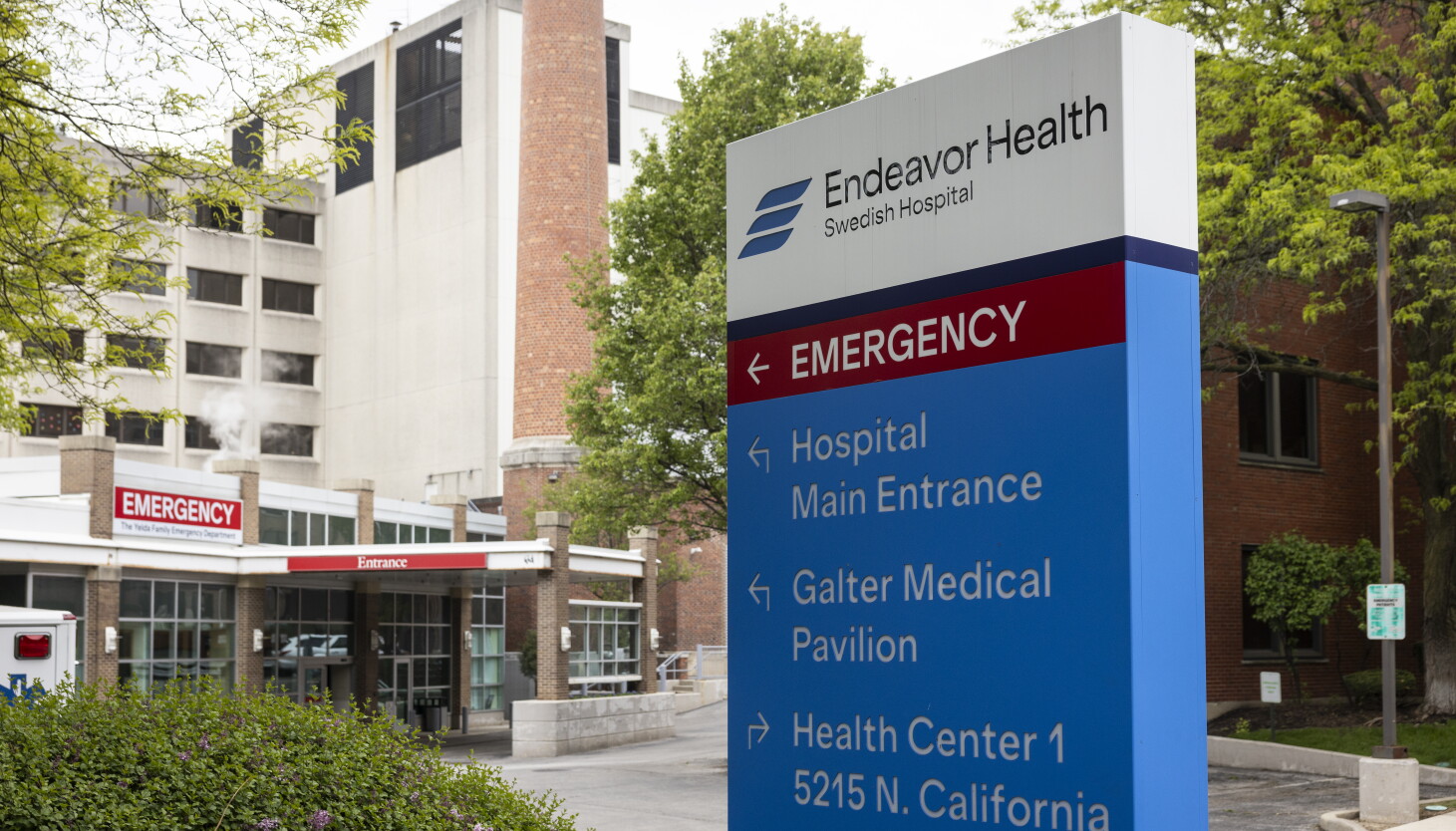
Endeavor Health, including its nine Chicago-area hospitals, announced Wednesday it plans to merge under the umbrella of Rush University System for Health, according to hospital officials.
For now, not much will change for patients as the proposed merger will undergo a regulatory process that could take months before it’s approved. Once combined, the health system will include 12 hospitals in Chicago and the surrounding suburbs, which could make it one of the largest health systems in the area.
Endeavor Health hospitals include Swedish Hospital, Evanston Hospital, Edward Hospital, Skokie Hospital, Elmhurst Hospital, Glenbrook Hospital, Highland Park Hospital, Linden Oaks Hospital and Northwest Community Hospital. The hospitals will keep their names but operate under Rush.
Dr. Omar Lateef, president and CEO of the Rush University System for Health and Rush University Medical Center, said the goal is to improve access to patients and opportunities for its workforce. The combined system will include its current hospitals — Rush University Medical Center, Rush Copley Medical Center and Rush Oak Park Hospital.
“If you need a clinical trial, this should open up clinical trials,” Lateef said. “If you need access to a higher level or a more local type of care, then you can get it where you are. The goal of this is to enhance access, to take the highest quality of care and expand it to all our sites and make any patient who is in that site seamlessly able to go to another site.”
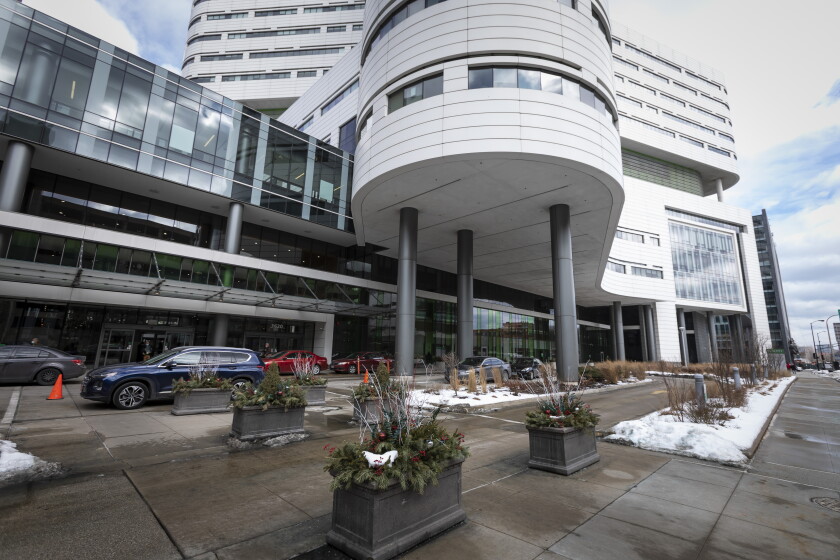
Views of the pharmacy inside of Rush University Medical Center on February 9, 2022.
After the merger closes, Lateef will take on a role as CEO emeritus and serve as a strategic adviser while J.P. Gallagher, the current leader of Endeavor Health, will become the president and CEO of the new combined health system, according to a news release.
Gallagher said the economic pressures facing healthcare did not directly lead to the merger, but he did want to ensure the Endeavor institutions continued to serve its workforce and community for decades to come.
“This is kind of a long-term bet on being able to not just weather some of those pressures, but frankly, be strong and do some things differently that allow us to improve what that care and experience looks like even in light of the environment,” Gallagher said.
The merger will come with a $1 billion investment from Endeavor’s endowment that will fund community programs, innovation along with research and academics at the combined system, Gallagher and Lateef said.
“We know that right now there is a massive health care shortage of providers in this country,” Lateef said. “There are not enough nurses, there are not enough doctors, there are not enough ultrasound techs. We have a health science university and we are committed to increasing our existing workforce, and we’re going to take that money and help grow our existing programs.”
The investment will also be used toward research efforts delving into health equity and neuroscience, Lateef said. Other funds will be used for Rush programs that aim to reduce the life expectancy gap in Chicago.
It was unclear Wednesday what the proposed merger will mean for nurses at Rush and Endeavor who in recent months have gone public with their efforts to unionize their workplaces, many citing concerns about nurse-to-patient ratios. Just this week, nurses at Edward Hospital in Naperville announced they had filed a petition to hold an election, a step toward unionizing under the umbrella of the National Nurses Organizing Committee.
Nurses at Rush University Medical Center voted earlier this year to form a union under the same umbrella, which is an affiliate of the larger National Nurses United. Nurses at Endeavor hospitals in Evanston, Skokie, Glenbrook and Highland Park have also been organizing under a different union, Teamsters Local 743.
“Nurses at Endeavor are vital to our mission; they’re vital to our identity and a critical part of everything that we do,” Gallagher said. “We have been very actively engaged, listening and meeting with our nurses and understanding what’s important to them. And we’ve made very significant investments and we’ll continue to do that as a part of our future both near term and long term.”