
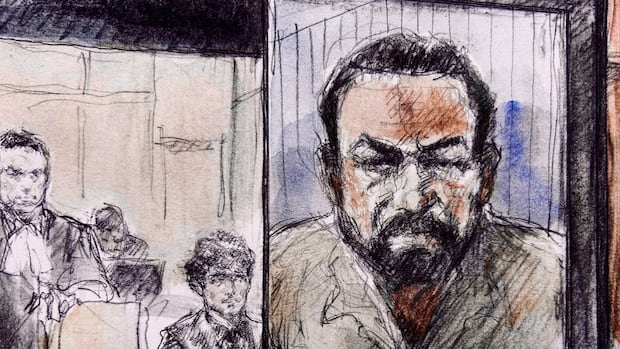
One of the self-described “Crypto King’s” largest investors testified Wednesday about how Aiden Pleterski was touted as the “next big thing” and that he’d heard about others getting paid returns before he began investing thousands and later millions of dollars with him.
Real estate developer Sacha Singh, who testified virtually at Pleterski’s fraud trial in Toronto, said he first met the now-27-year-old at a restaurant in Pickering, Ont., in the spring of 2021.
“I know a lot of big entrepreneurs in the crypto space are younger kids,” Singh told the jury in the Ontario Superior Court of Justice.
“I thought he was a sharp kid and could be one of those unicorns.”
Singh signed a contract for his first investment of $10,000 cash that April. From there, the court was shown 22 more investment contracts between Singh and Pleterski totalling more than $4.5 million over the next 10 months.
Wire transfer receipts were shown for most of the contracts, which ranged from $10,000 to $1.3 million, but a few others included notes they were paid in cash.
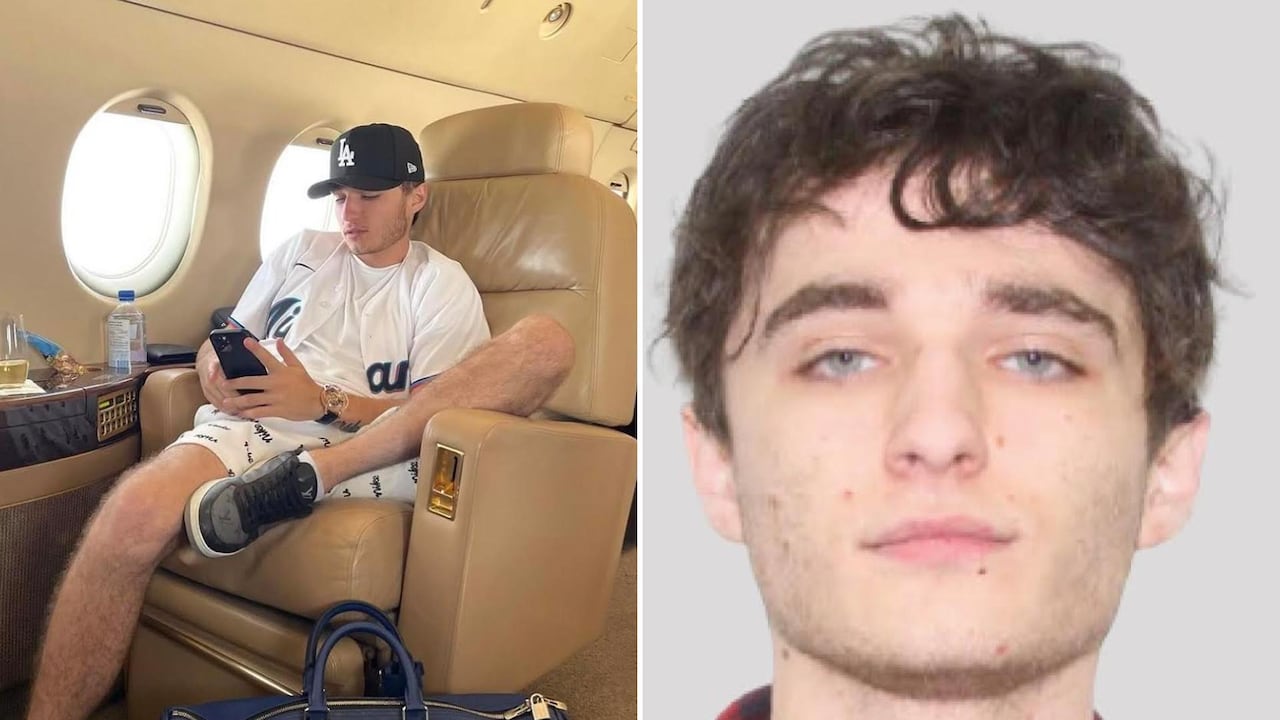
Pleterski is representing himself at his fraud and money laundering trial before the Ontario Superior Court of Justice. (Aiden Pleterski/Instagram/Durham Regional Police)
That’s the most money any of the 11 investors who’ve been called as Crown witnesses, so far, have said they gave him to trade on their behalf. Combined, the other 10 testified they provided Pleterski with roughly $2.3 million. Most have said they never got any of their money back.
Pleterski is representing himself at trial and has pleaded not guilty to fraud over $5,000 and money laundering.
The Crown is alleging Pleterski guaranteed the money his investors gave him for trading, but never actually invested the funds. Instead, the Crown argues Pleterski spent the money on himself, including on exotic cars, flights on private jets, lavish shopping and credit card bills that ran into the millions.
Thought investment grew to $26M
Singh was introduced to Pleterski by another investor, Akil Heywood. Like many investors who’ve testified in the case, Singh said Pleterski would message him his weekly percentage gains from Pleterski’s trading in foreign exchange and cryptocurrency.
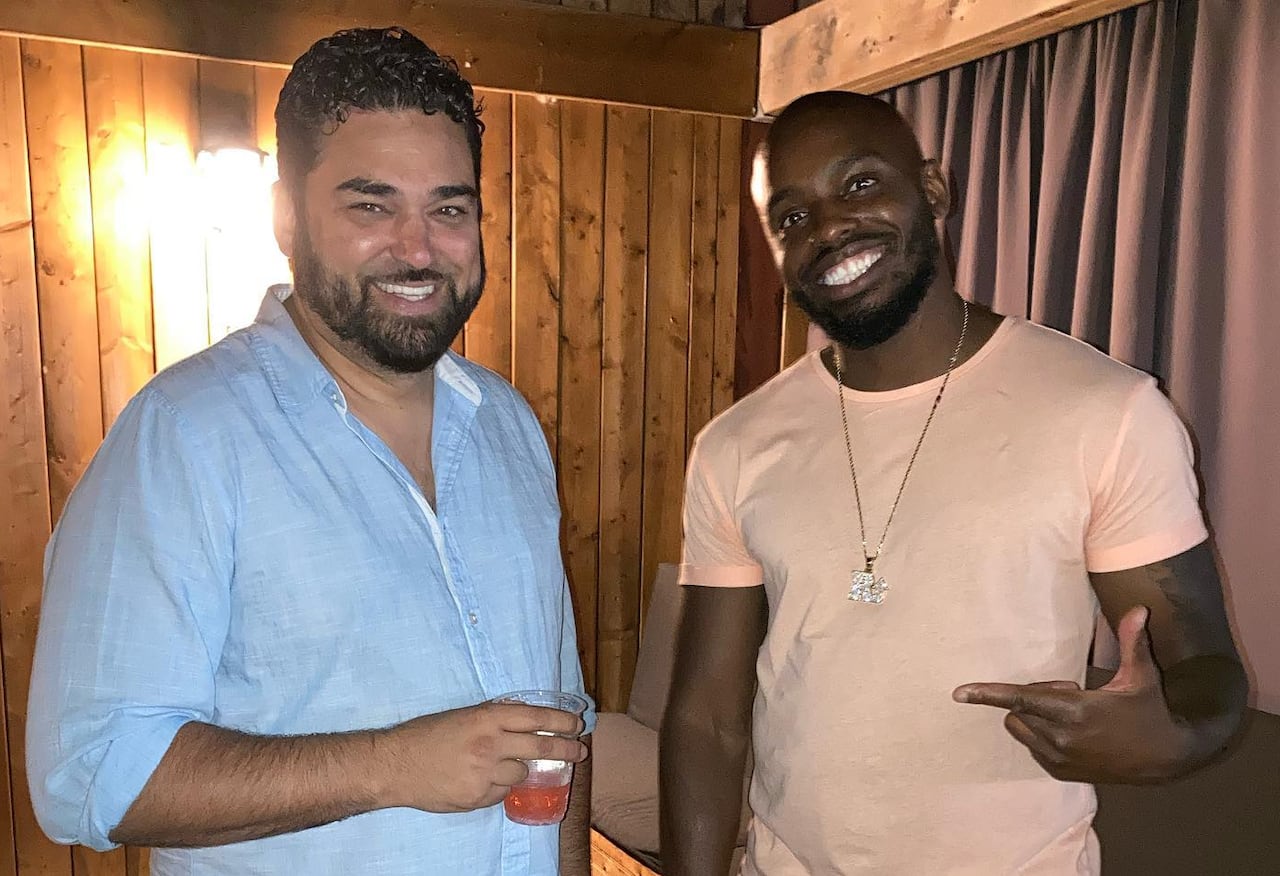
Singh, left, testified that another investor, Akil Heywood, right, introduced him to Pleterski. (Atlantic Mas Toronto/Facebook)
Singh kept a spreadsheet of those returns, which was shown in court. By March 2022, his calculations on the weekly gains, which ranged from three to nearly 11 per cent, showed his investment had grown to more than $26 million.
Though he never received those returns — nor most of what he invested — Singh is one of the few investors who says he did receive some money back from Pleterski.
He testified he only continued investing because he received $700,000 back when he asked to withdraw a million dollars in November 2021. The other $300,000 went to Pleterski as his fee for trading as laid out in the investment contracts.
“If you knew the source of that $700,000 was just money you already gave to him, would you have continued to invest with him?” Crown prosecutor Scott Patterson asked Singh in court.
“No,” he replied.
WATCH | Singh testifies at fraud trial:
Real estate developer lost millions after giving ‘Crypto King’ $4.5M to invest
The jury in Aiden Pleterski’s fraud trial heard phone conversations between the self-described ‘Crypto King’ and investor Sacha Singh after Singh started to question Pleterski’s investment business.’Selling assets’
Eventually though, Singh suspected Pleterski hadn’t made that money trading.
He recorded several phone calls with Pleterski about a year after his initial investment. By then, Singh testified Pleterski “essentially ghosted” him when he asked to withdraw a large sum from his investment, which was supposed to be traded through a platform called FXChoice.
In one of the recordings heard in court from around April 2022, Singh asks Pleterski “that 700,000 you gave me, did that come from FXChoice? Or did that come from other investors that gave you money and you just gave it to me?”
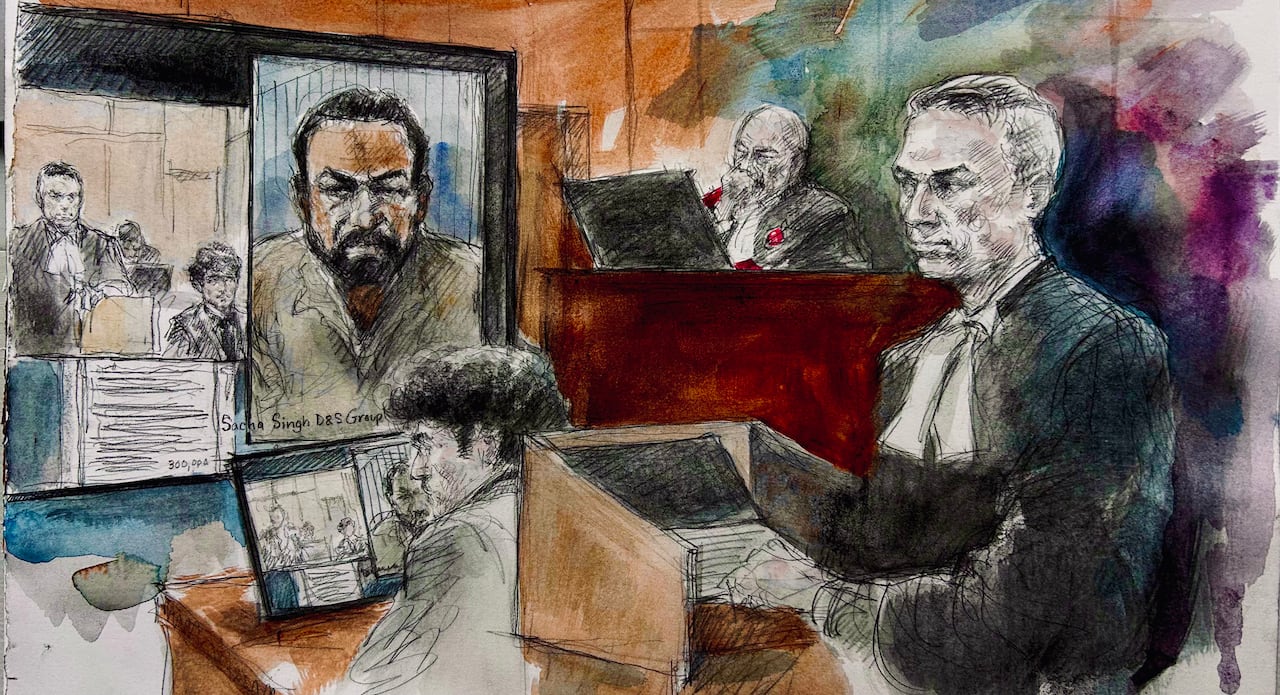
Crown prosecutor Scott Patterson, right, asked Singh if he would have invested with Pleterski if he knew the money he got back was the same money Singh gave Pleterski to invest. Singh said no. (Pam Davies/CBC)
Pleterski tells him that it did come from that trading platform, but that since February 2022, he had been paying returns from his “own pocket” because, Pleterski said, FXChoice wasn’t paying him out.
In other recordings Singh took, Pleterski also blames FXChoice for issues paying investors —claiming the platform only has access to a total of $20-$30 million — and elaborates on how he’s been using his own money to pay returns.
“I’m actually selling assets to be able to pay people back because I feel like I have an obligation to do so,” Pleterski tells Singh. “I’ve pretty much been paying people out of pocket for months and months … and I can’t afford to keep doing that.”
Around this time, Singh testified he was also shown a video Pleterski took of the FXChoice account, showing there was more than $311 million in it.
The video was shown to him by Mitchell Learning, another investor who testified last week.
Learning told the court about how he went looking for “proof in person” of how much money was in Pleterski’s investment account — after receiving a screenshot and video showing that same balance.
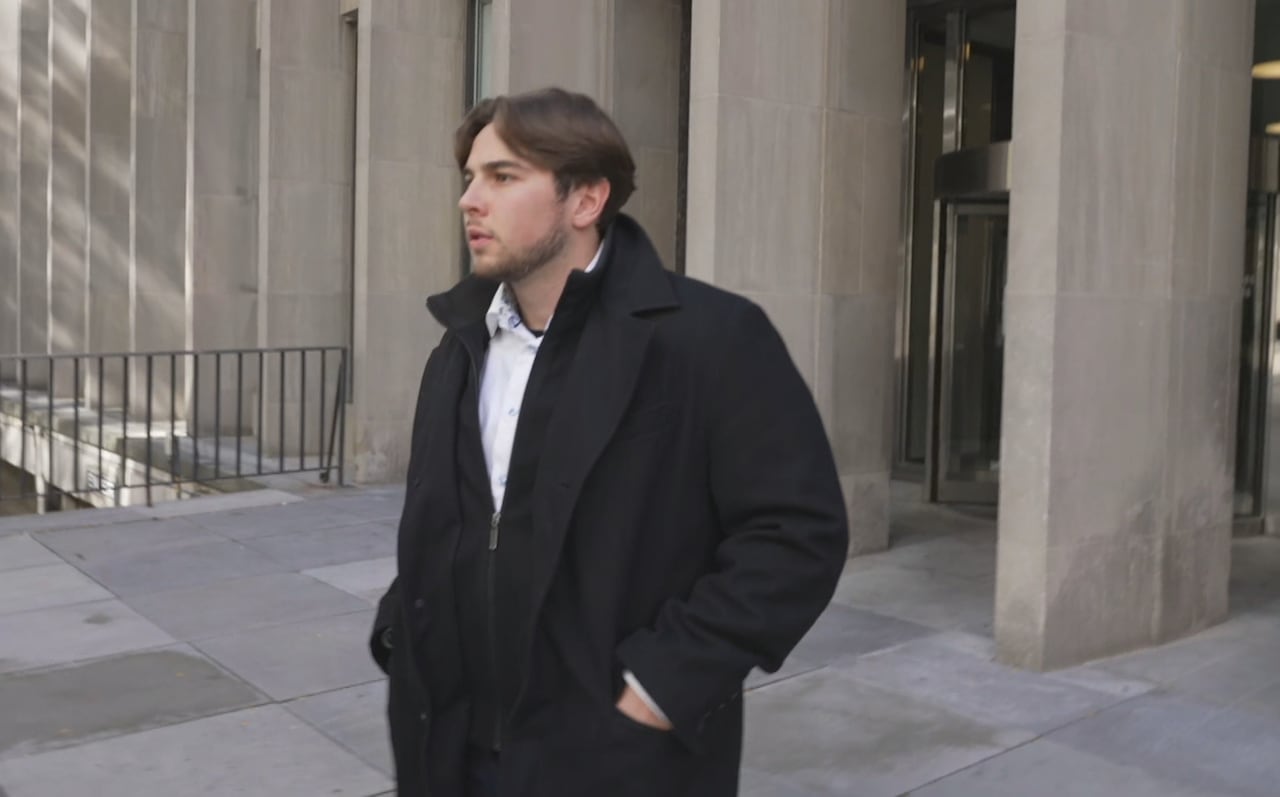
Mitchell Learning, a former friend and investor of Pleterski’s, testified last week. (Mehrdad Nazarahar/CBC)
Learning went to Pleterski’s lakefront mansion in Burlington, Ont., in June 2022 and was able to access Pleterski’s email account on his computer. He testified that he found an email from FXChoice confirming Pleterski had deleted that account.
That same day, Learning said he confronted Pleterski and was told “a story” that everything had been going well until the summer of 2021, “where apparently things took a turn.”
Admits to Ponzi scheme
According to Learning’s testimony, Pleterski told him that, by around that September, he had only $40 million in a trading account.
“It only kept going down from there,” Learning said, continuing to recount Pleterski’s story. “He tried to make riskier trades to make money back, essentially losing the remainder of the money and then from that point on starting running a Ponzi scheme.”
Pleterski didn’t cross-examine Learning or Singh. So far, he’s only cross-examined the first investor witness the Crown has called.
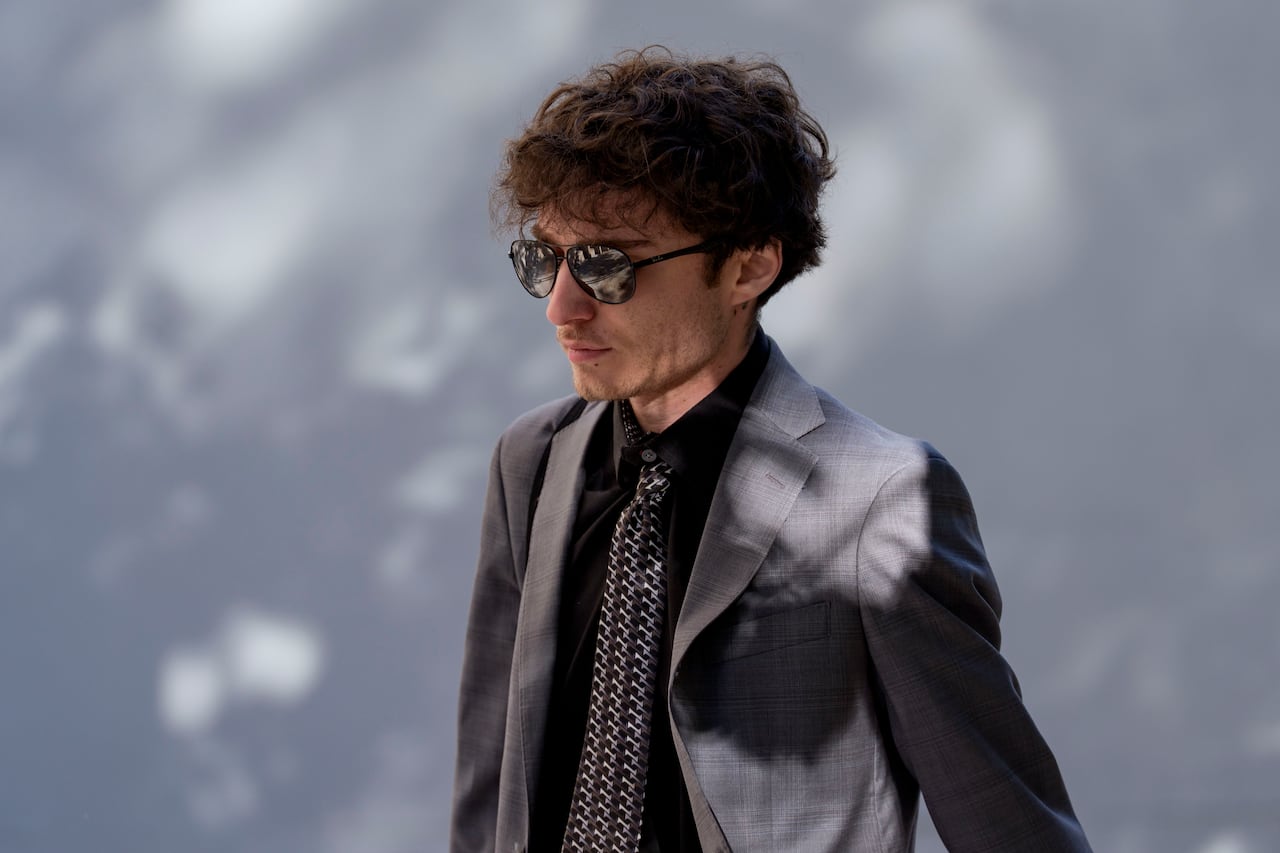
Pleterski is representing himself in court. So far, he’s only cross-examined one of a dozen Crown witnesses called in his case. (Evan Mitsui/CBC)
“I don’t have the legal knowledge to challenge the inconsistencies, your honour,” he said Wednesday, when asked by Justice Shaun Nakatsuru if he had questions for Singh.
Pleterski was arrested in May 2024 after a lengthy investigation by Durham Regional Police and the Ontario Securities Commission. Police allege he operated a multimillion-dollar Ponzi scheme.
His trial is expected to continue Friday.