
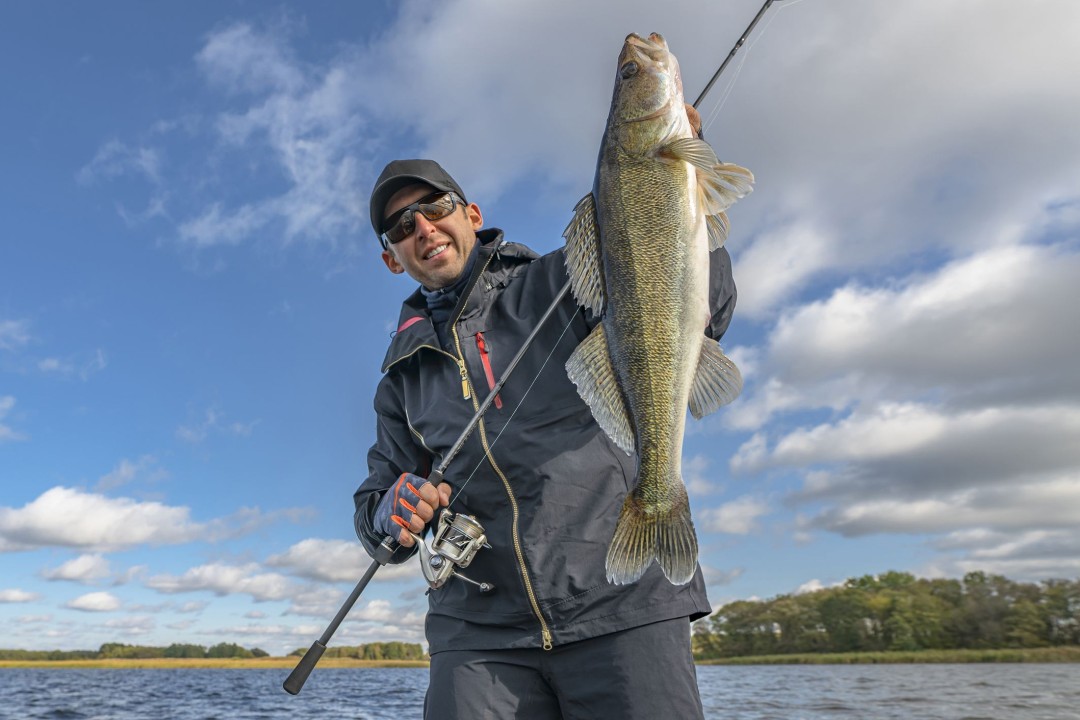
Plenty of Americans grew up thinking “catch and release” was the kinder way to fish. Now, Vox argues it may be anything but. The outlet looks at a pastime that hooks billions of fish a year—many bred and stocked solely so anglers can reel them in—then sends most of them back into the water wounded, exhausted, and more likely to die. Studies offer a wide mortality range, but one experiment on Chinook salmon found roughly a quarter were dead within 10 days of being caught and then held in tanks. Nearly all suffered damaged fins; almost half had serious hook injuries. “No fish is better off because we’ve caught it,” says biologist and angler Steven Cooke of Canada’s Carleton University. “It is impossible to catch a fish without causing, one, some level of injury, and two, physiological disturbance.”
Vox walks through the live debate over whether fish feel pain, with some scientists calling the evidence thin and others saying fish behavior and biology strongly suggest they do. Even skeptics, though, urge anglers to change how they fish: Keep fish submerged, shorten the fight, use barbless hooks, kill quickly if you’re going to eat them. The article also flags collateral damage—from maimed seabirds to stressed ecosystems—and asks whether fun, family time, and the “thrill of the chase” justify the harm. “What is often portrayed as a peaceful—even benevolent—pastime is, in another light, a more torturous activity,” the outlet notes. For the full ethical and scientific case, more here.