

(Dreamstime)
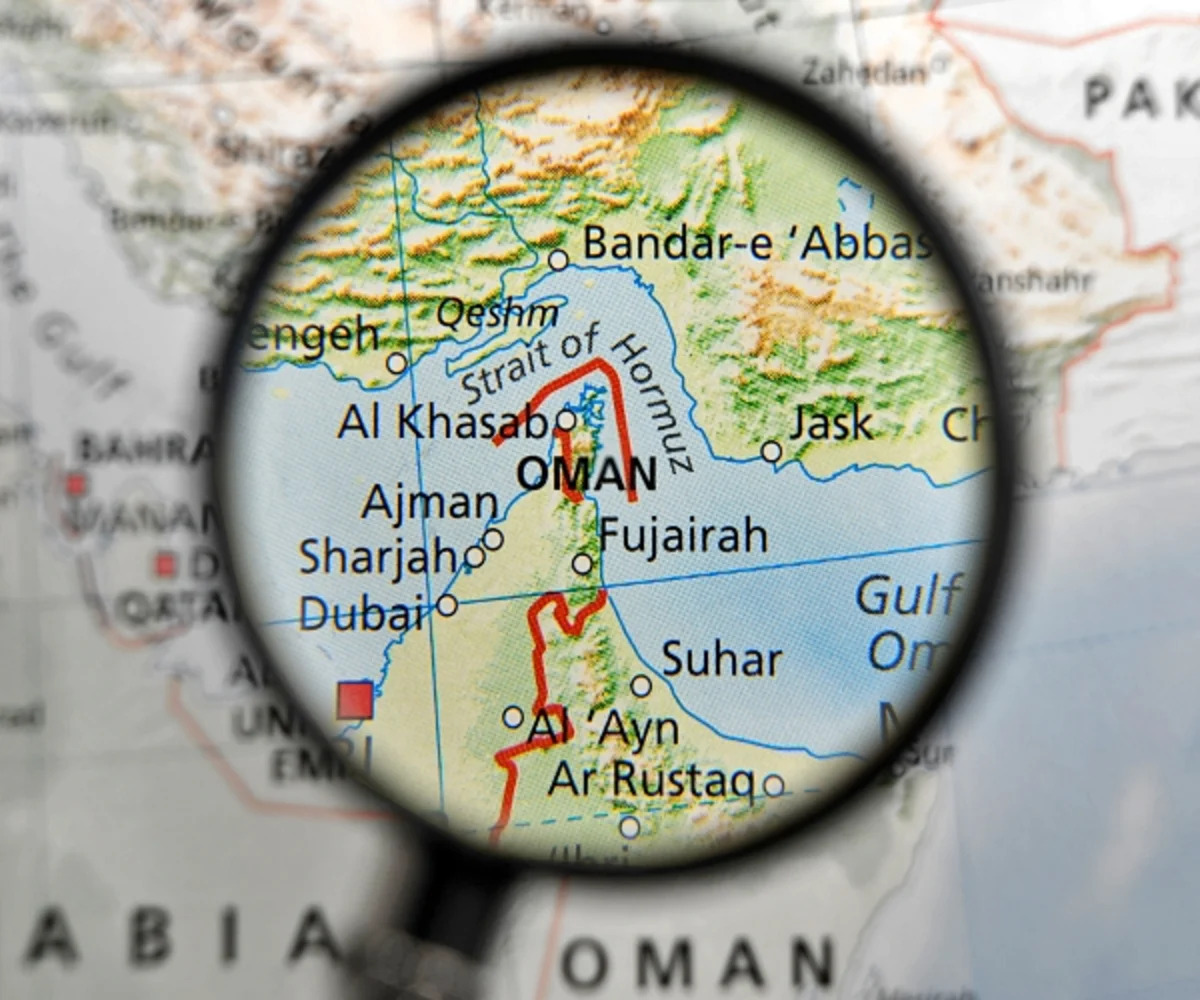
Iran is escalating attacks on commercial shipping in the Strait of Hormuz ahead of midterm elections in the U.S., seeking to drive up energy prices and increase political pressure on President Donald Trump as Tehran attempts to gain leverage in negotiations to end the war, according to regional officials and diplomats, The Washington Post reported on Monday.
Iranian officials view the weeks before the elections as a critical opportunity to exploit concerns over energy costs and potentially weaken Trump’s political standing, two Iranian officials and diplomats familiar with the situation told newspaper.
Some Iranian leaders reportedly want to inflict political damage on Trump similar to the impact of the 1979-1981 Iran hostage crisis on President Jimmy Carter’s 1980 reelection campaign, according to an Arab diplomat and a Western diplomat.
“They’re obsessed,” the Arab diplomat said. “They think they can bring down a presidency.”
The escalation comes as U.S. forces conduct daily operations involving fighter jets, drones and special operations personnel to protect commercial vessels and increase traffic through the strategic waterway, according to a Western official and another person familiar with the operations.
Iranian attacks in the strait averaged about 30 a week in September, the Western official said. The United Kingdom Maritime Trade Operations, a maritime monitoring organization affiliated with the British military, reported that Iran had attacked more than 20 vessels so far in October, including one that sank.
Despite the increase in attacks, U.S. operations have helped boost oil shipments through the strait.
Data from global analytics firm Kpler showed oil exports through Hormuz rising from mid-August to late September, with daily shipments approaching prewar averages on multiple days over the past month.
However, shipping costs and risks remain elevated, keeping pressure on energy markets.
“The situation should not be regarded as going back to conditions we had before the war,” Amena Bakr, Kpler’s head of Middle East energy, said, adding that geopolitical risk was contributing an estimated $30 a barrel to current oil prices.
Some Iranian officials have portrayed U.S. efforts to increase shipping traffic as illegal activity. In an interview with the ultraconservative newspaper Kayhan, Iranian lawmaker Fada Hossein Maleki said the operations had made conditions in the strait “very complicated.”
“Iran is obliged to decisively defend the important global waterway that is our land and territory,” Maleki said.
Iran’s national security adviser, Mohsen Rezaei, warned that a return to full-scale fighting could lead Iran to expand attacks against regional infrastructure — including undersea cables, data centers, and artificial intelligence facilities.
The U.S. midterm elections have become a prominent subject in Iranian state media, where commentators have discussed rising energy prices, Trump’s approval ratings and the potential consequences of Republican losses in Congress.
An editorial published last month by Fars, a semiofficial news agency with close ties to Iran’s Islamic Revolutionary Guard Corps, argued that the war had damaged Republican electoral prospects.
“He, who had promised to end wars, has brought his party a few steps closer to defeat in the midterm elections by launching a war against Iran,” the editorial said.
Former Iranian Foreign Minister Manouchehr Mottaki similarly argued during an appearance on state television in August that a Republican setback would leave Trump politically weakened.
If Trump suffers a “bad fate” in November, Mottaki said, he would have to live out the remainder of his presidency “as a nightmare.”
Beyond the immediate electoral calculations, Tehran is also seeking to strengthen its position in negotiations to end the conflict, according to the Western diplomat.
Iran faces a deepening economic crisis and increasing international isolation, raising concerns within its leadership that the government could struggle to maintain essential functions, including paying security personnel, within months, the diplomat said.
Despite the pressure, Washington and Tehran have shown little willingness to make major concessions.
The two sides last held Qatar-mediated senior-level talks in September at the United Nations, where they exchanged proposals. Some senior Iranian officials pushed for an agreement before the midterms but rejected a U.S. demand for an upfront concession on Iran’s nuclear program, according to an Iranian official briefed on the talks.
Negar Mortazavi, an Iranian researcher with the Center for International Policy, said Tehran’s strategy extends beyond the current administration and is intended to deter future U.S. presidents from launching another war against Iran.
© 2026 Newsmax. All rights reserved.