
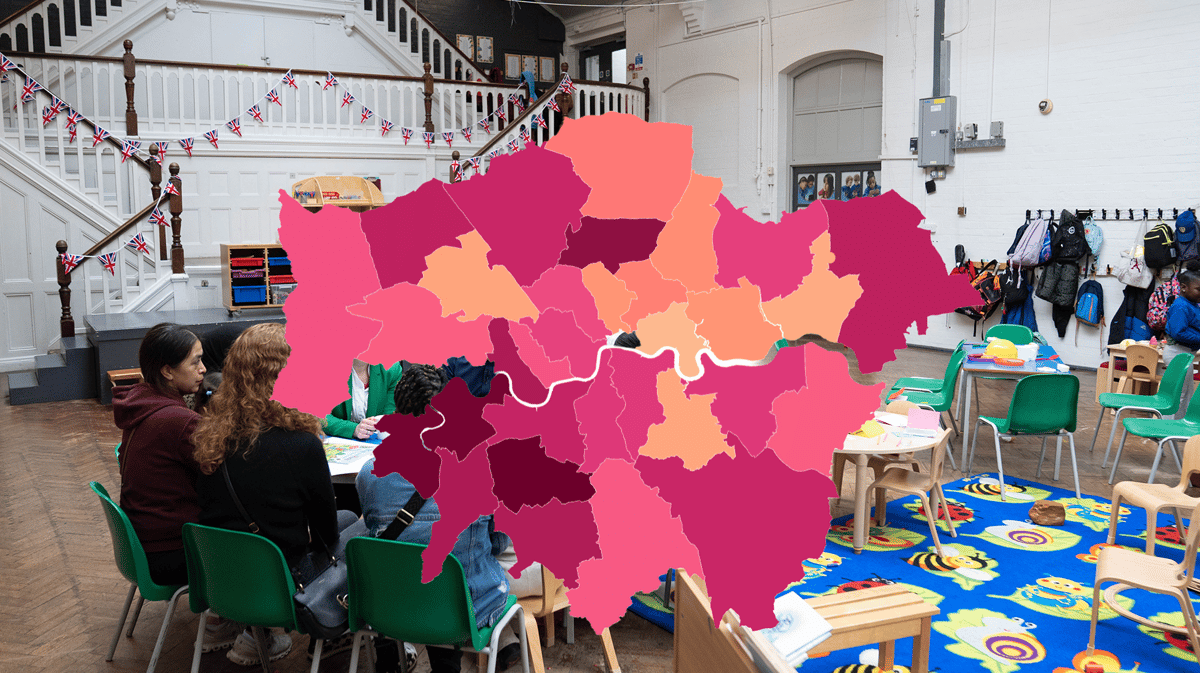

A west London borough has been named the second worst place to grow up in England.
Hounslow was given the poor ranking in a new report released by Children’s Commissioner Dame Rachel De Souza on Monday.
The Childhood Lottery report examined the “enormous disparities” between areas in England for young people.
More than 160 metrics, including healthcare provision, education and access to green spaces, were examined to paint a picture of the challenges faced by young people in every corner of the country.
Only Middlesborough scored lower than the west London borough. Bradford, Nottingham, Halton, Peterborough, Leicester, Liverpool, Sunderland and Medway made up the rest of the most challenging places to grow up.
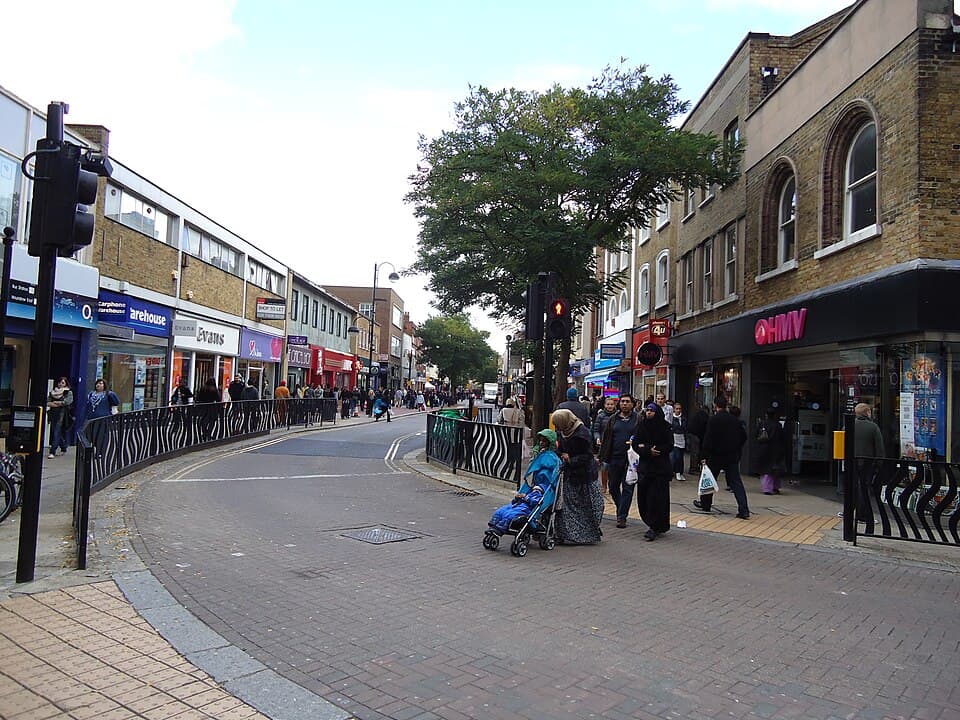
Hounslow was named the second worst place to grow up in England
Stacey Harris/Wikimedia Commons
Hounslow was one of the local authorities where young people had little to no access to youth clubs and hubs, and where only 71% of children had their vaccinations.
This was a wider trend across London where boroughs make up all ten of the local areas with the lowest vaccination rates.
Dame Rachel de Souza’s report examines the “enormous disparities” between areas in England
PA Archive
Barking and Dagenham was also flagged in the report as being in the bottom 10 for access to good healthcare. The north London borough also has one of the lowest levels of school nurse staffing, with just 1.1 FTE school nurse for every 10,000 children, placing it 6th lowest in the country.
Meanwhile, Hackney was among 25 areas where fewer than half of children saw a dentist.
Child poverty also varied from around the capital. In Richmond upon Thames, just 10.6% of children are living in poverty, compared to 50.3% on the other side of London in Tower Hamlets.

Richmond Park helps make Richmond one of the best places to grow up
AFP/Getty
Neighbouring boroughs too faced disparities. While 52% of schools in Tower Hamlets offer free food, just a stone’s throw away in Hackney – only 37% of schools offer the same service. In both boroughs, it is estimated that around half of all children live in poverty.
There was some good news for London as three boroughs made it into the top ten list of best places to grow up.
Merton in south-west London came in second for the least challenging place to grow up, followed by Richmond upon Thames in fourth and Haringey in seventh.
Less than 1% of children in Merton felt they did not have access to good healthcare, compared to 19.6% in Hartlepool. More than 94% of children in the borough also had access to breakfast provisions.
Academically, 70% of children in Richmond upon Thames receive a good pass (5 or better) in their English and Maths GCSEs – compared to just 31% in Knowsley. The borough also has one of lowest poverty rates at just 10.6% of children in the borough.
Whilst the results are closely related to poverty, Haringey was one of the outliers. Despite being one of the poorest areas, it still ranked in the top ten.
More than 81% of children in Haringey have access to a green space within 15 minutes – compared to just 68% nationally.
Cheshire East took the top spot for the least challenging place to grow up, while Surrey, Hertfordshire, Cheshire West and Chester, Leicestershire, Central Bedfordshire, and Wokingham comprised the other best places to grow up in England.
The local authorities were ranked across varying metrics, which were then combined to generate a total overall score out of 960.
These included whether children had access to vaccinations, youth clubs, mental health services, career options, and targeted educational support.
The report also analysed interactions with crime, for example the likelihood of being stopped and searched, and access to support for children at risk of criminal exploitation.
How does your borough fare?
It comes as Andy Burnham pledges to devolve power out of Westminster in a bid to bridge the North-South divide.
However, the report shows that the toughest places to grow up exist all over the country, ranging from Bradford to Somerset, to Birmingham, and Liverpool.
Dame De Souza does believe however that devolution will present an opportunity to solve the hardships of children who grow up in difficult places.
She said: “Devolution represents a chance to solve this. If it is truly a project to rewire the state, there may not be an opportunity so significant in a decade or more.
Giving power to local decision makers should lead to more responsive public services.
“This data shows that no two areas are the same. Local policy makers and those delivering services must be able to react to the challenges their children face to improve their lives. For that to work, mayors and local decision makers must be given the right tools to improve children’s lives including access to centrally held data, funding to accompany new responsibilities and clearly defined minimum standards.”
Full table of London boroughs
The boroughs were ordered as below in the report, from best to worst
Borough
Total overall score
1. Merton
714
2. Richmond upon Thames
707
3. Haringey
689
4. Kingston upon Thames
667
5. Hammersmith and Fulham
666
6. Sutton
664
7. Havering
655
8. Harrow
654
9. Wandsworth
649
10. Barnet
646
11. Bromley
646
12. Lambeth
626
13. Greenwich
625
14. Southwark
623
15. Redbridge
618
16. Westminster
616
17. Camden
609
18. Hillingdon
601
19. Kensington and Chelsea
599
20. Croydon
595
21. Bexley
592
22. Ealing
591
23. Enfield
575
24. Hackney
570
25. Waltham Forest
561
26. Islington
555
27. Newham
555
28. Brent
544
29. Lewisham
542
30. Barking and Dagenham
538
31. Tower Hamlets
526
32. Hounslow
460