
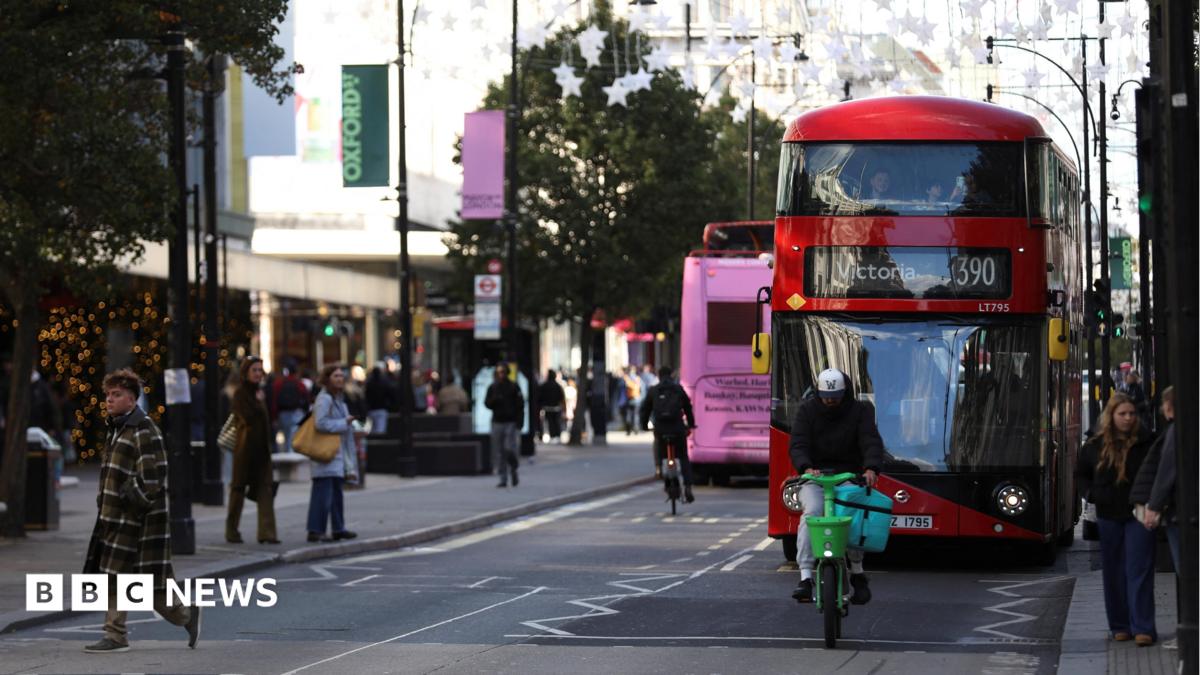
Bowes thinks how the development corporation diverges from the local council will be important to watch.
Westminster Council has traditionally opposed anything over six storeys. Could the OSDC change that?
He says what is happening will be watched closely.
“To date, mayoral development corporations have been used as vehicles to drive regeneration over large areas of under-developed or brownfield land that is complicated by sitting astride the boundaries of two or more boroughs.
“Oxford Street is very different, covering a significantly smaller geographical area, which is primarily a high density, high land value retail and office area. There is no precedent that Oxford Street can copy.
“Many will be watching closely to see if the OSDC model can be applied elsewhere in London or beyond the M25,” he explains.
When you ask advisers at City Hall if the mayor regards Oxford Street as his biggest legacy they don’t deny it. They also point to the ultra low emission zone.
But certainly as a physical achievement in London, the mayor thinks his most significant achievement will be making a large part of the so-called “nation’s high street” traffic-free.
Listen to the best of BBC Radio London on Sounds and follow BBC London on Facebook, external, X, external and Instagram, external. Send your story ideas to hello.bbclondon@bbc.co.uk, external