
(Oct. 25, 2026 / JNS)
On Oct. 7, being caught with our pants down was not an embarrassment. It was a catastrophe.
People were murdered in their homes. Families were torn apart. Hostages were dragged into Gaza. Communities that trusted the state to protect them were left fighting for their lives.
Oct. 7 unleashed a tornado of global hatred whose effects still leave us reeling. From the protests that began on Oct. 8 to the media campaigns, diplomatic pressure and efforts to isolate Israel, the attacks on our legitimacy have continued.
Israeli society has shown extraordinary resilience, but too often, it remains on the defensive, responding to an agenda others set.
We need to translate that resilience into effective national action: ensuring our story is told and heard, defending our rights, anticipating threats and pursuing opportunities. That requires a comprehensive national plan with strategy, communication, risk assessment and accountable execution at its core.
Three years later, have we translated our resilience into effective national action?
We cannot keep relying on individual heroism to compensate for failures of foresight. Oct. 7 was a day of reckoning. Its demands extend to how we protect our people, defend our rights, tell our story and govern our future.
In 1973, assumptions helped blind Israel to the approaching Yom Kippur War. In 2023, the nation’s security arrangements again failed catastrophically. Intelligence and technological superiority proved insufficient when danger was not translated into timely action.
Military catastrophe and reputational damage are profoundly different. But the obligation to anticipate extends across national life.
Israel needs a strategy for where it intends to be in 2048.
Consider the olive harvest in Judea and Samaria. It is a recurring season with foreseeable flashpoints: disputed access, local tensions, farmers, activists, visiting delegations and cameras.
After the reported attack on European diplomats on Oct. 17, the Israel Defense Forces condemned the violence and said the visit had not been coordinated with it.
Coordination matters. But its absence cannot be the end of the answer. The season and its risks were foreseeable even if a particular visit was not.
Where were the advance assessments, preventive presence and rapid intervention plans? Who was responsible for documenting events and establishing the facts?
Footage can omit context. Allegations require investigation. Neither observation excuses violence or removes the responsibility to protect people and enforce the law. Explaining afterward why nobody was there is not a prevention strategy.
The same habit appears in our handling of scrutiny. BBC Verify reported identifying 254 incidents the IDF said it was examining, for which the BBC found no public outcome.
An unpublished outcome does not establish that no investigation occurred. But Israel should anticipate questions about investigations it has announced. A regularly updated account should explain what remains under review, what has been concluded and what cannot yet be disclosed.
Why wait for journalists to assemble the questions before organizing the answers?
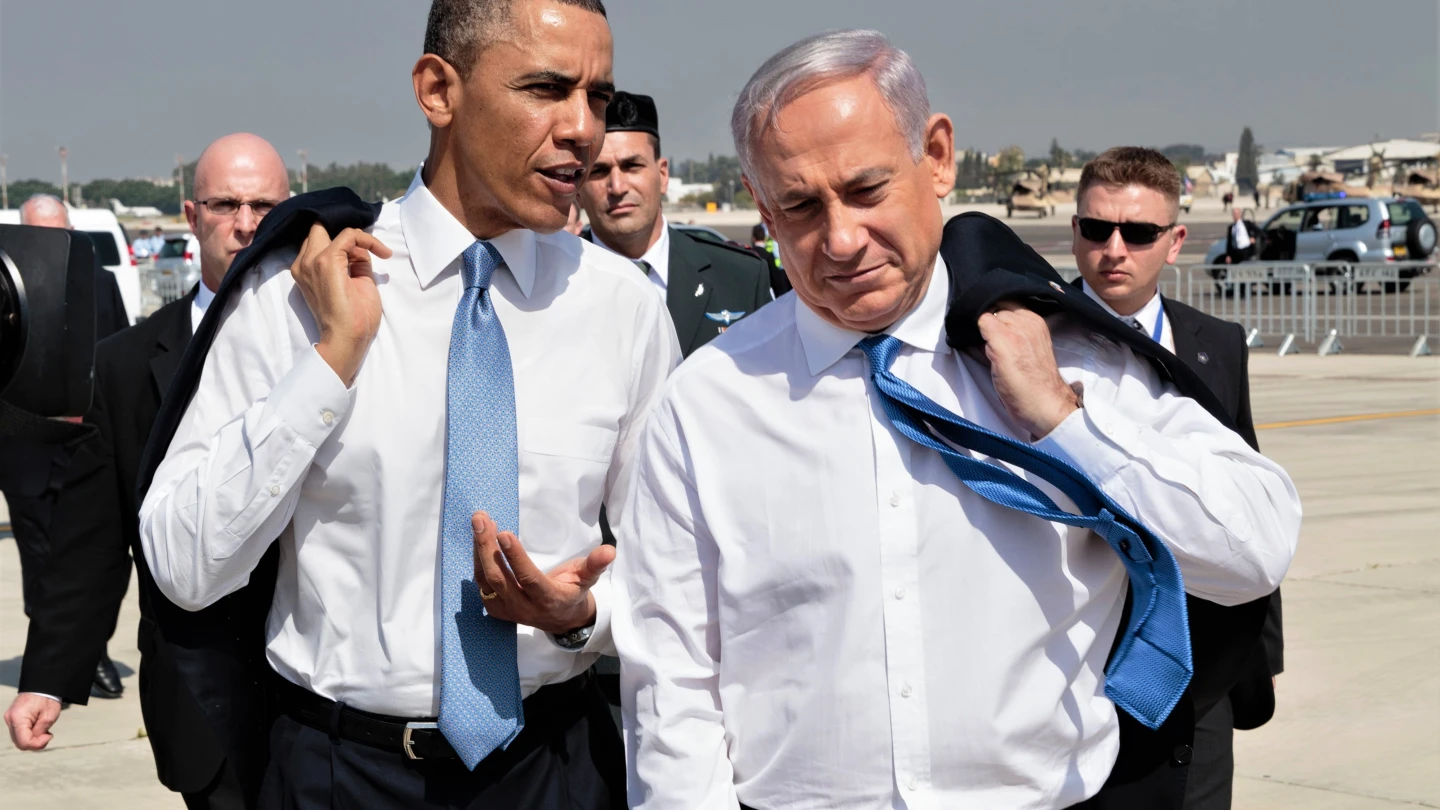
Likewise, former President Barack Obama’s remarks in Belfast that Jews “took land off people” prompted Netanyahu’s defense of Jewish rootedness in our homeland.
Nobody could have predicted Obama’s exact words. But a major speaking engagement by a former president with an established record of disagreements with Israel merited preparation. Were historical material, informed voices and media relationships already in place?
Our history should not have to be hurriedly retrieved whenever someone diminishes it.
Dutch restrictions on settlement goods, Britain’s announced measures and Norway’s proposed legislation likewise followed visible political processes. Their scope and legal stages differ, but the direction required advance attention.
Trust is not a strategy.
Too often, Israel remains on the defensive, responding to an agenda others set.
The Sept. 30 attempted hijacking of a flydubai flight to Israel makes the point brutally. The co-pilot attacked the captain; crew members and passengers helped avert disaster; Israel tightened pilot checks afterward. But why did it take a near-catastrophe to strengthen the safeguards?
A business needs a strategy, an operating plan, a marketing plan and a risk-and-opportunity assessment. Each must connect ambition to resources and delivery. A country’s responsibilities are far greater, but it also needs clear priorities, budgets, deadlines and accountable leadership.
Israel, too, needs a strategy, especially for where it intends to be in 2048.
It needs a communications and marketing plan that identifies audiences, builds relationships and ensures our story is heard and our rights understood. It needs an operating plan that turns decisions into coordinated work across institutions. The risk-and-opportunity report should connect these plans to foreseeable developments.
For the olive harvest: locations, protection, liaison and intervention. For documentaries and speeches: evidence, credible voices and timely engagement. For aviation: tested crew screening and intelligence sharing. For investigations: legal preparation and transparent reporting. For boycotts: diplomatic action, economic assessment and alternative markets.
Every entry should answer: What could happen? How serious would it be? What can we prevent? Who owns the action, by when and with what resources?
Opportunities deserve equal attention: stronger alliances, new markets, receptive audiences and visits that allow people to see Israel firsthand.
AI can help detect patterns. Human intelligence, local knowledge and diplomatic reporting provide context. Professional judgment must turn information into decisions. An accountable coordinating body needs the authority to bring this together, monitor implementation and challenge delays. Another report sitting around unread doesn’t protect anyone.
The warnings must become assessments. The assessments must become plans. And those plans must become effective action before the next catastrophe.