

Listen to this article
Estimated 4 minutes
The audio version of this article is generated by AI-based technology. Mispronunciations can occur. We are working with our partners to continually review and improve the results.
For 15 years, Nova Scotian James Henry Brothers went from specialist to specialist looking for answers to troubling medical symptoms.
He had carpal tunnel surgeries, a spinal stenosis surgery and two knee replacements as well as multiple visits to cardiologists.
Doctors told his family that nothing was wrong.
“No one connected the dots,” said his daughter, Rachel Brothers, a Bedford resident.
Everything changed in 2013 when Dr. Daniel Wu, a cardiologist in Kentville, N.S., took a biopsy of his heart and sent it to the Mayo Clinic in Minnesota.
The results came back as a diagnosis of hereditary transthyretin amyloidosis (hATTR), a rare disease that affects the nerves, heart and digestive tract.
He underwent further treatment at the Amyloidosis Center at Boston University because, as remains the case today, there was no equivalent specialized centre in Canada.
James Brothers returned to Nova Scotia in 2016 and died in November at age 71.
Now, new research published in the Canadian Journal of Cardiology has found a possible link between the disease and descendants of the Black Loyalists in Atlantic Canada.
Scientists traced a disease-causing genetic variant through the Brothers family to the Black Loyalists who arrived in Nova Scotia in the 1700s.
The variant gene, known as V142I (formerly V122I), is most common in people of West African descent.
The research suggests that other Black Loyalist descendants in Atlantic Canada may also carry the gene and remain undiagnosed.
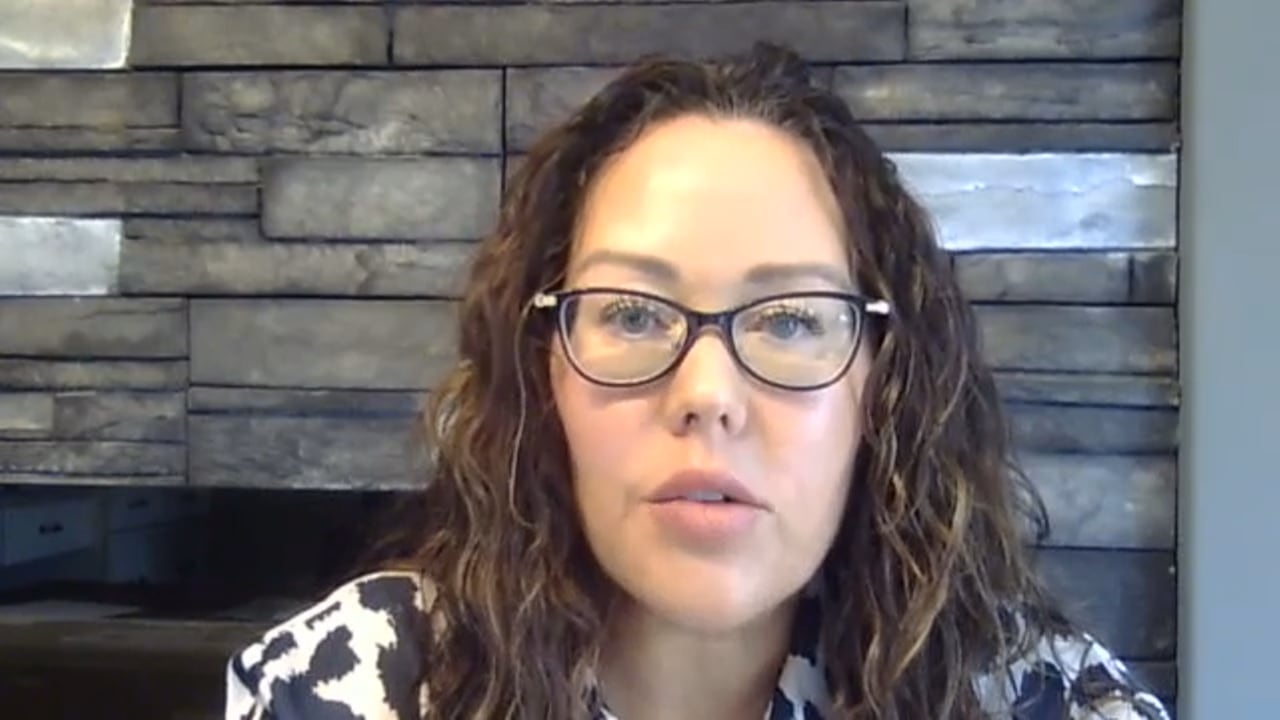
Rachel Brothers is co-founder of Amyloid Action. (CBC)
Aware of the implications for her family and others, Rachel Brothers said sharing the information became essential.
“After realizing that this didn’t just run in my family, that it actually was an African Nova Scotian Black community issue, we felt …we needed to raise awareness in the Black communities within Nova Scotia,” she said.
Brothers co-founded Amyloid Action, a non-profit organization that promotes education and early diagnosis.
The organization hosts community events, including one scheduled for Nov. 28 at the Black Cultural Centre for Nova Scotia in Cherry Brook, that offer faster genetic testing.
Dr. Kareem Morant, a cardiologist at North York General Hospital in Toronto and a co-author of the case report, said the multitude of symptoms makes the disease difficult to diagnose.
“Some of the earliest symptoms tend to be neurological in nature and they can be very non-specific,” Morant said.
“It can be as simple as having diarrhea or constipation… one of the most common symptoms is carpal tunnel syndrome.”
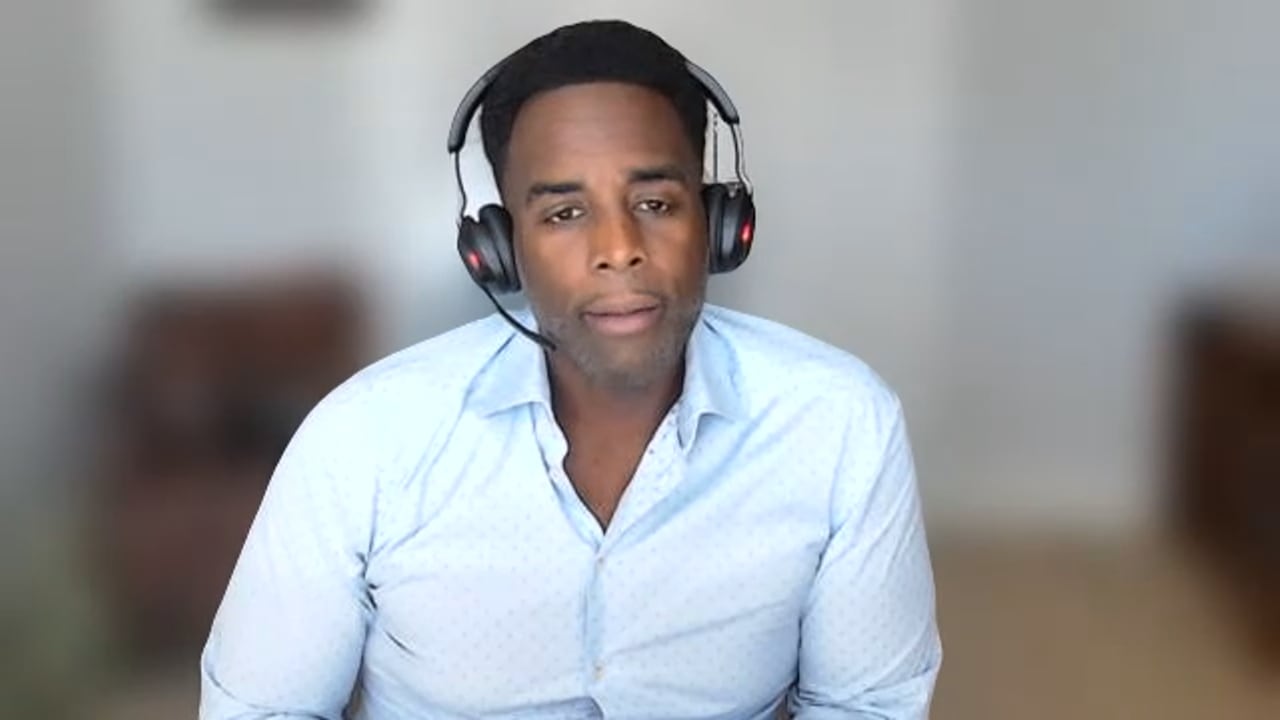
Dr. Kareem Morant is a cardiologist at North York General Hospital in Toronto and a co-author of the case report. (CBC)
Because symptoms may overlap with other conditions like diabetes or aging, Morant said patients may see multiple specialists who don’t share information with one another.
“It still falls on the family physician to be the backbone and quarterback of care,” Morant said.
He noted that when patients do not have a family doctor, connections between symptoms can be missed.
Morant said that unlike medical institutions like the Mayo Clinic, Canadian specialists work in isolation.
“In Ontario, we have many doctors in their own private offices and clinics, the electronic medical records don’t talk to each other … we still rely on faxes … so it just speaks to how far behind we are in our system,” he said.
Morant estimates that between three and four per cent of Black people in the U.S. and U.K. carry the gene variant, noting that Canadian data is still lacking.
Both Morant and Brothers said early diagnosis is critical.
“When my father was diagnosed in 2013 and died in 2016, there were no treatments,” Brothers said.
“Now there are treatments. So if you are diagnosed early, you can slow this disease down.”
Brothers said her work is dedicated to her father’s memory and to ensuring other families don’t have the same delays in diagnosis.
World Amyloidosis Day is observed on Oct. 26.
MORE TOP STORIES