


Listen to this article
Estimated 5 minutes
The audio version of this article is generated by AI-based technology. Mispronunciations can occur. We are working with our partners to continually review and improve the results.
Free flu and COVID-19 shots will be available for all Ontario residents six months of age and older starting Monday, the provincial government says.
Residents can get vaccinated at select pharmacies, public health units and participating doctor and nurse practitioner offices, according to the government. The shots are available for anyone who lives, works or goes to school in Ontario.
In a recent news release, Health Minister Sylvia Jones said the province has launched its fall immunization programs to protect people and communities.
“Working with our health-care partners, we are ensuring everyone has timely and convenient access to flu, COVID-19 and RSV immunizations close to home,” Jones said.
Respiratory Syncytial Virus (RSV) shots are also available for those who are eligible.
Dr. Kieran Moore, the province’s chief medical health officer, said in the release that he encourages the “most vulnerable” to get vaccinated against respiratory illnesses.
“Staying up to date on recommended immunizations remains one of the most effective ways to reduce the risk of serious illness, helping to keep our communities healthy, maximizing the impact of our public health programs and delivering greater value for Ontarians,” Moore said.
To book an appointment, residents are encouraged to call their primary care provider or local pharmacy directly to confirm if vaccines are available.
Initial supply of vaccines went to high risk groups
In the week of Sept. 28, the province said its initial supply of flu and COVID-19 vaccines were available for high-risk and priority groups who live, work and study in Ontario. These groups included: hospitalized patients, hospital staff, staff and residents in long-term care and retirement homes, and people 65 and older.
On its website, the government said it recommends that the following groups of people get their flu shot starting Monday:
People who provide essential community services.People who might spread the flu to high-risk populations and infants care providers in the community.Household contacts — adults and children — of people at high risk of flu-related complications.Women who are breastfeeding.Caregivers of children four years of age or younger. Members of a household expecting a newborn during flu season.Those who provide services within a closed or relatively closed setting to people at high risk of flu-related complications, such as crews on ships.
According to the integrated respiratory diseases dashboard of Toronto Public Health, there have been 337 cases of influenza and 380 COVID-19 cases detected in the city from Aug. 30 to Oct. 21 this year.
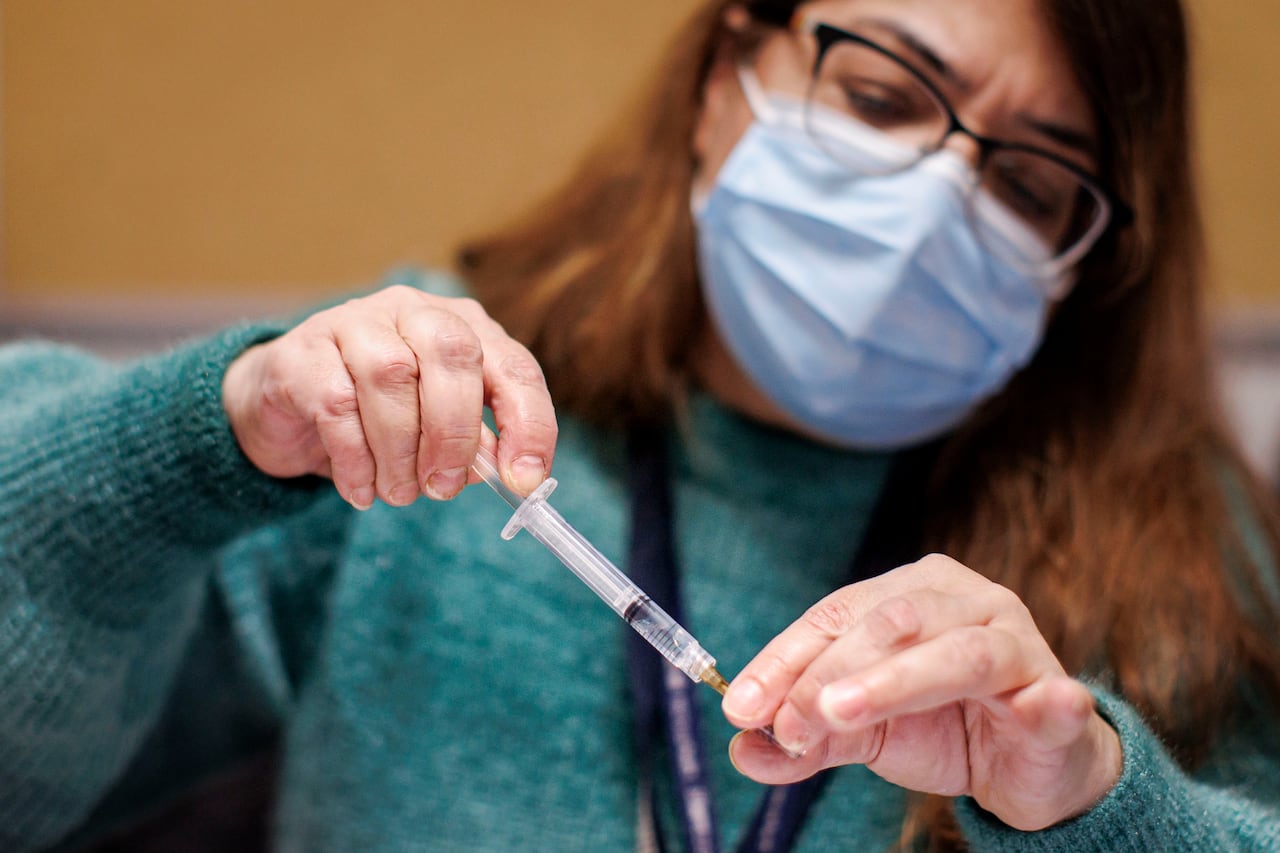
A Toronto Public Health nurse provides vaccinations at a clinic at the North York Civic Centre on Jan. 25, 2024. (Evan Mitsui/CBC)
“Respiratory viruses can make people very sick and worsen underlying health conditions, especially among seniors, people with weakened immune systems, infants and young children, and pregnant individuals,” Toronto Public Health says on its website.
“Respiratory virus activity usually increases in the fall and winter, making people more likely to get sick during this time of year.”
Toronto Public Health said the vaccines may be available at some long-term care homes and community health centres. It said it is safe to get a COVID-19 vaccine at the same time, before or after a flu vaccine or RSV immunization.
Symptoms of COVID-19, flu, RSV similar
Symptoms of COVID-19, flu and RSV are similar and it could be hard to distinguish between the illnesses caused by these viruses, the government said on its website.
Ranging from mild to severe, the symptoms can include fever or chills, cough, shortness of breath, runny nose or nasal congestion, headache, fatigue, sore throat, muscle aches or joint pain, and stomach problems, such as vomiting or diarrhea.
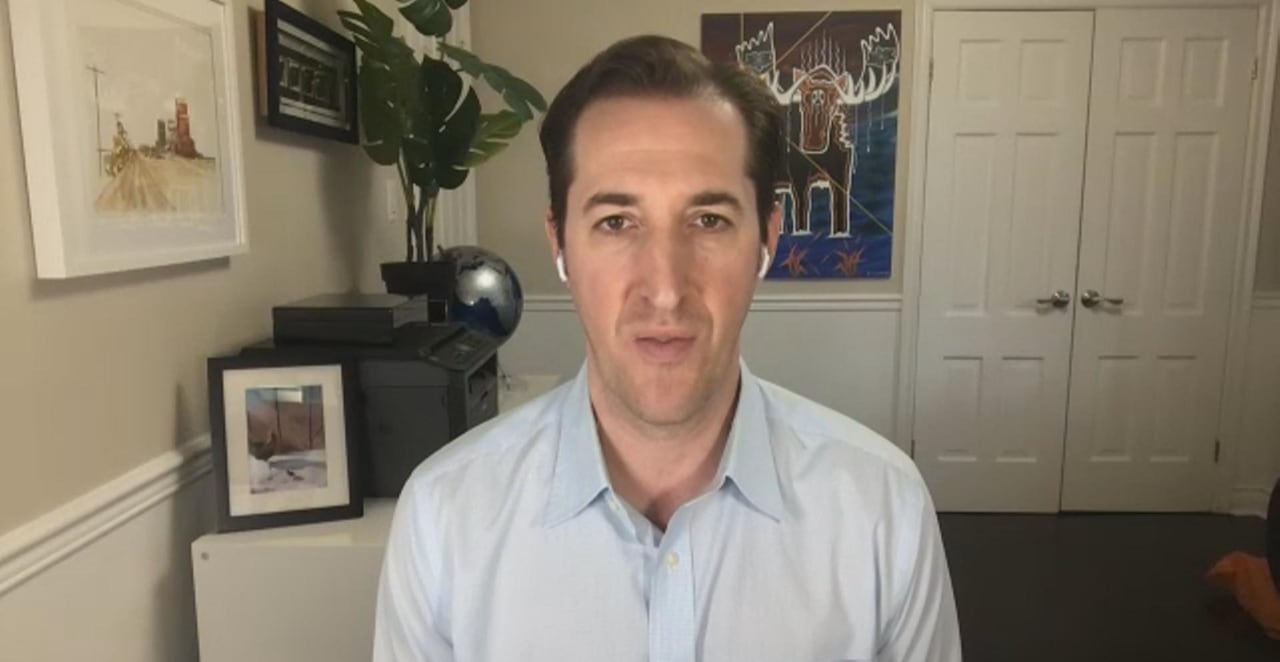
Isaac Bogoch, an infectious diseases specialist at Toronto General Hospital, pictured here, told CBC Toronto in early October that the flu season had arrived ahead of schedule. (CBC)
Isaac Bogoch, an infectious diseases specialist at Toronto General Hospital, told CBC Toronto in early October that the flu season had arrived ahead of schedule.
“It’s an early rise but it absolutely is a rise,” he told CBC Toronto Monday. “Flu season starts in the fall and it’s the fall. Sometimes it’s a little earlier in the fall, sometimes it’s a little later.”
Flu season usually starts at end of October and beginning of November, Bogoch said.
The strain circulating most commonly is H1N1 this year, which tends to be milder on those infected and on hospitals than the H3N2 subtype, Bogoch said.
RSV shots available for certain age groups
Ontario residents who are 60 to 74 and meet certain high-risk criteria, or who live in specific higher-risk settings, along with residents who are 75 and older, are eligible to get RSV vaccines at any point during the year.
As of Oct. 1, eligible newborns and infants up to eight months of age who are in their first RSV season and high-risk children who are up to 24 months of age and in their second RSV season were able to be immunized against RSV.
The government said pregnant women can also receive an RSV vaccine from an obstetrician, midwife or primary care provider to protect their babies at birth.