
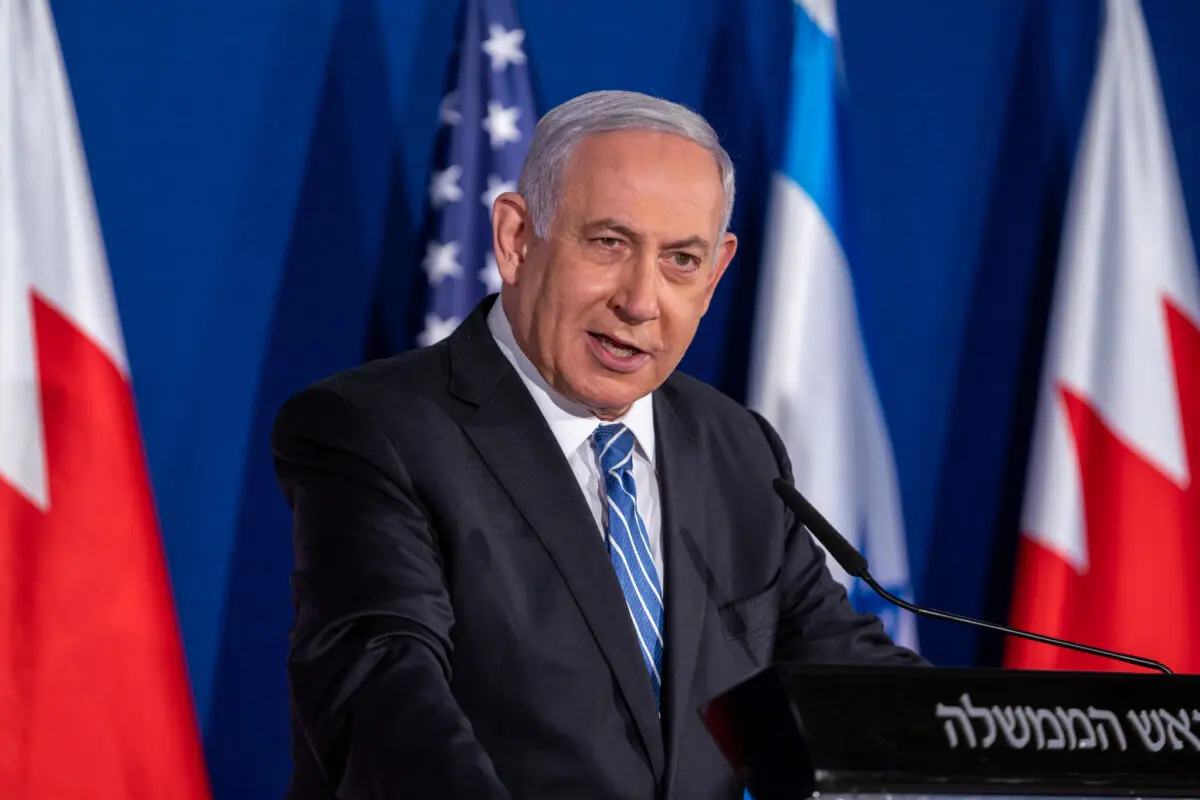
Israel’s upcoming general election is happening on October 27, 2026 and will be the first since the October 7, 2023 Hamas-led attacks and the subsequent wars involving Gaza, Lebanon, and Iran. Israeli’s Prime Minister Benjamin Netanyahu is facing a significant challenge from centrist opposition leader, Gadi Eisenkot, who presents himself as an alternative leader who can maintain Israel’s security. This election could significantly reshape Israel’s domestic political landscape, but questions remain about whether a change in leadership would meaningfully improve the prospects for peace and security in the region.
According to C.N.N., the election remains highly competitive, suggesting that neither Netanyahu nor the opposition has secured enough support to guarantee a majority. Netanyahu has centered his campaign around the slogan “No Surrender,” emphasizing Israel’s military operations in Gaza, Lebanon and Iran and his commitment to national security. Eisenkot, on the other hand, emphasizes the importance of restoring public trust in the government and establishing an independent commission to investigate the October 7 attacks. He and many others criticize Netanyahu’s lack of accountability during this event as well as his handling of Israel’s growing international isolation and deteriorating diplomatic relationships. Even so, Eisenkot also promises to end Hamas’ rule in Gaza, either diplomatically or militarily. Internationally, criticism of Israeli settlement expansion and the humanitarian consequences of the war in Gaza has been increasing, with many raising concerns about the direction of Israel’s foreign policy regardless of the election’s outcomes.
Although the election gives Israeli voters the opportunity to hold their government accountable, replacing Netanyahu alone is unlikely to solve the root causes of the Israeli-Palestinian conflict. While Eisenkot presents himself as a more moderate alternative, his opposition to Palestinian statehood raises questions about how significantly his policies would differ from Netanyahu’s. Additionally, both candidates emphasized military strength as the primary solution to security threats, which overlooks the political and humanitarian conditions that have contributed to decades of instability within the region. Although Israel has legitimate national security concerns following the October 7 attacks, lasting security cannot be achieved through military strength alone. A sustainable approach must include the security and political rights of both Israelis and Palestinians, including humanitarian access, political representation, and meaningful diplomatic negotiations. Without addressing these issues, a change in government would only alter how Israel conducts its foreign policies rather than fundamentally solving the underlying causes of these conflicts.
Ultimately, Israel’s upcoming election is an opportunity for political change, but its implications for regional peace and security depend on more than who becomes prime minister. Although a new government could potentially improve Israel’s diplomatic relationships, meaningful progress towards peace would require broader reconsiderations of policies surrounding Palestinian sovereignty, settlement expansion, and Israel’s use of military force. Lasting peace requires sustained diplomatic engagement, accountability, and a political framework that addresses the legitimate rights and security concerns of both Israelis and Palestinians. Otherwise, the election may only mark a significant turning point in Israel’s domestic politics while leaving the broader challenges of regional peace and security unresolved.