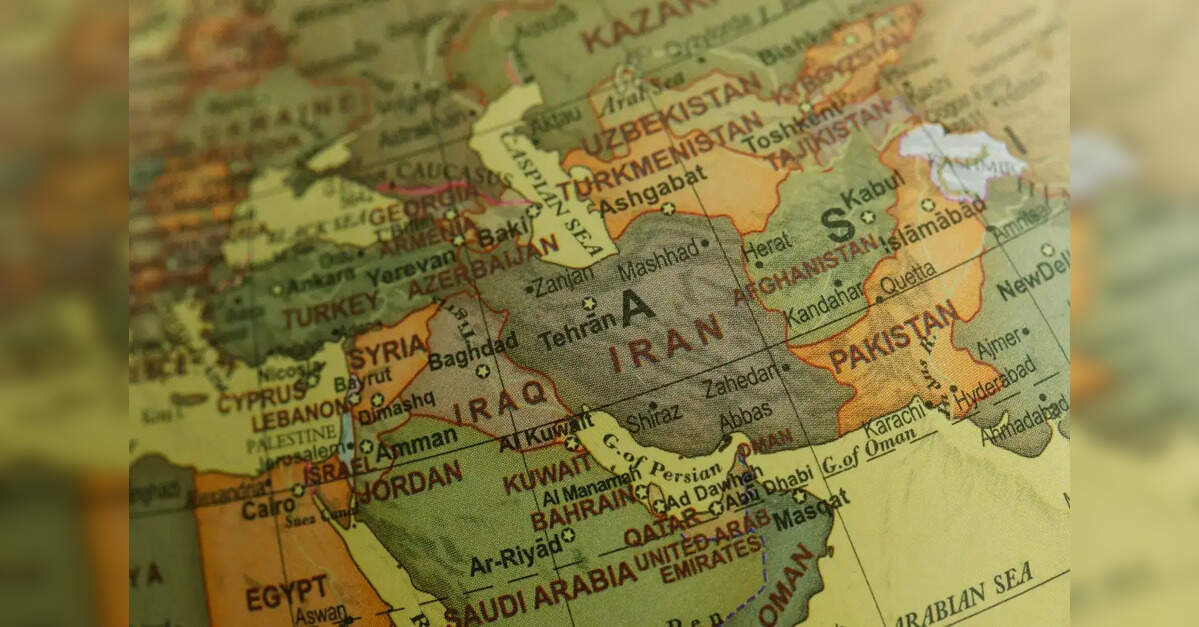
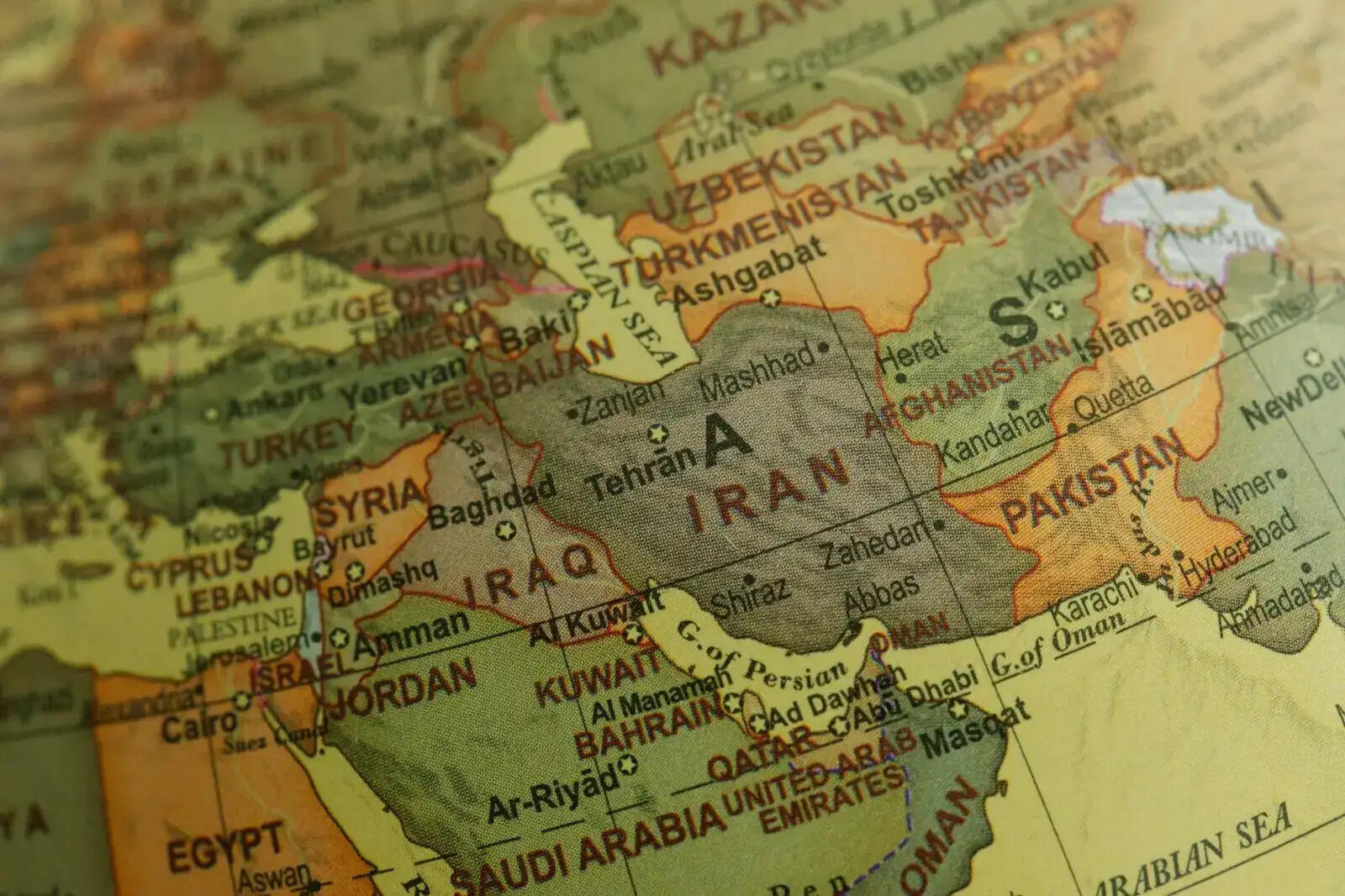
 Iran has moved to widen its diplomatic options just as the Gulf security environment grows more volatile, with Tehran hosting senior officials from Saudi Arabia, Pakistan and Turkey for a fresh round of regional discussions. According to the Indian Express, the meeting centred on de-escalation, regional security and the idea that neighbouring states should take greater responsibility for their own stability.The talks came against a backdrop of renewed military pressure in Yemen, sharper alignment between Gulf states and Egypt, and a packed diplomatic calendar that will soon bring Russia, Iran and Qatar together in Moscow. For Tehran, the immediate value of the meeting was not a breakthrough on the most contentious issues, but a visible effort to keep communication open with key regional powers at a time when the risk of spillover remains high.A first meeting under the Mecca pact bannerThe delegation from Saudi Arabia, Pakistan and Turkey met Iranian President Masoud Pezeshkian and Iran’s security chief in Tehran on October 26. State media in Iran said the discussions began in the morning and continued into the day, with both sides later agreeing to keep the dialogue going. Iranian officials described the exchanges as constructive, while Saudi Arabia said the visit was intended to prevent the situation from deteriorating further.The three visiting countries are understood to be part of a newly formed grouping referred to as the Mecca pact. The Tehran meeting was the first known engagement between Iran and the bloc, making it a notable diplomatic opening even if the agenda remained limited. Pezeshkian used the occasion to call for regional unity, signalling that Iran wants to frame security as a shared concern rather than a zero-sum contest between rival camps.Security, not the nuclear file, dominated the agendaIran said the conversations were deliberately kept away from its nuclear programme. Instead, the focus was on regional security, the conflict in Yemen and broader efforts to cool tensions involving Iran, the United States and the Houthi front. That separation matters because it suggests the current channel is being used for immediate crisis management rather than for a comprehensive political settlement.Iranian security officials said the participants agreed that the region should be responsible for safeguarding its own security. That language reflects a familiar Iranian position, one that seeks to reduce reliance on outside powers while also pushing neighbouring states to coordinate more directly with one another. The phrase may sound diplomatic, but in practical terms it points to a desire to build a regional framework that can operate even when relations with Washington remain strained.Yemen remains the pressure pointThe Tehran meeting unfolded as Saudi-led forces struck Houthi targets in Yemen, underscoring how quickly regional diplomacy can be overtaken by battlefield developments. The coalition said it targeted Houthi missile sites and also intercepted three drones aimed at Riyadh and southern areas of Saudi Arabia. Those events reinforced the sense that any conversation about Gulf security now has to account for the Yemen conflict, where cross-border attacks continue to shape the strategic mood.For Saudi Arabia, the stakes are obvious. The kingdom has spent years trying to reduce direct exposure to Houthi attacks while preserving room for political manoeuvre. A conversation with Iran, even one that does not address every dispute, offers a channel that could help limit escalation. For Iran, meanwhile, keeping talks alive with Saudi Arabia and other Muslim-majority powers may help reduce the diplomatic isolation that often follows moments of heightened tension in the region.Egypt, Russia and the wider regional chessboardThe diplomatic picture is broader than the Tehran meeting alone. Egypt has moved to back Riyadh, with its parliament approving military support for Saudi Arabia against Houthi attacks. That development matters because it gives the Saudi position additional Arab weight and shows that the Yemen conflict is increasingly being viewed through a wider regional security lens.At the same time, Russia is preparing to host Iranian President Masoud Pezeshkian in Moscow on Tuesday, alongside Qatar’s Emir. The sequence of meetings suggests that Tehran is actively working multiple regional and international channels at once, trying to manage pressure from several directions while keeping strategic options open. In that sense, the Tehran talks are part of a larger diplomatic circuit rather than a standalone event.Why the latest talks matter for the months aheadThe immediate outcome of the meeting was modest, but its significance lies in the fact that the parties chose dialogue at a sensitive moment. When military incidents, alliance-building and summit diplomacy are all moving in parallel, even limited contact can reduce the risk of miscalculation. That is especially true in a region where shipping routes, energy markets and border security remain tightly connected to political developments.For markets, any sign of reduced tension around the Gulf is watched closely because the region remains central to oil flows and maritime trade. For policymakers, the more important question is whether this new channel can survive the next escalation in Yemen or any fresh confrontation involving Iran and the United States. The answer will determine whether the Tehran meeting becomes a useful diplomatic bridge or just another brief pause in a cycle of regional strain.For now, the message from Tehran is that the conversation is not over. The parties have agreed to talk again, and in a region where trust is scarce, that alone is a meaningful starting point.