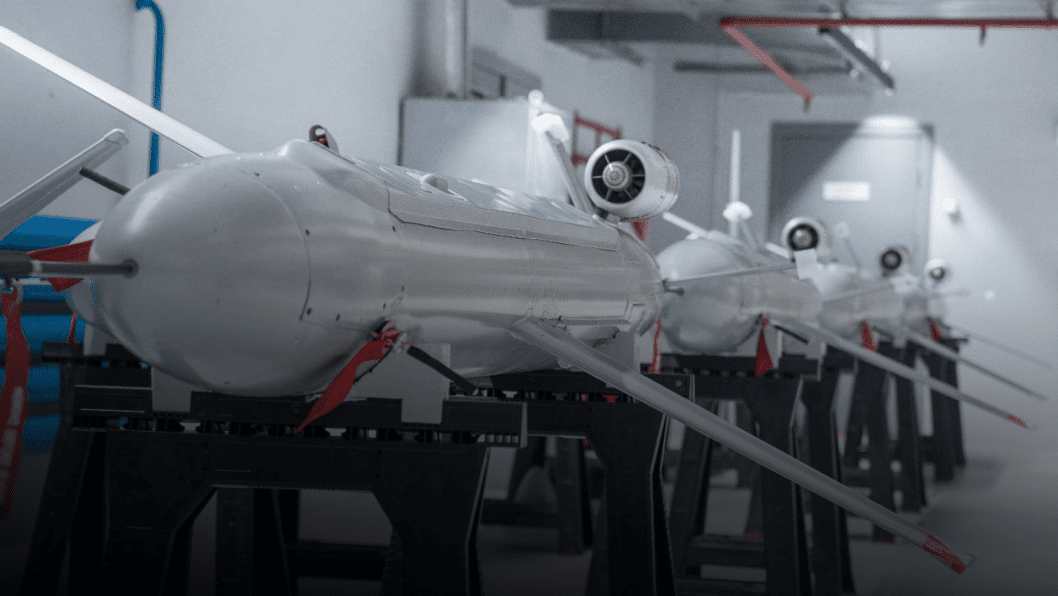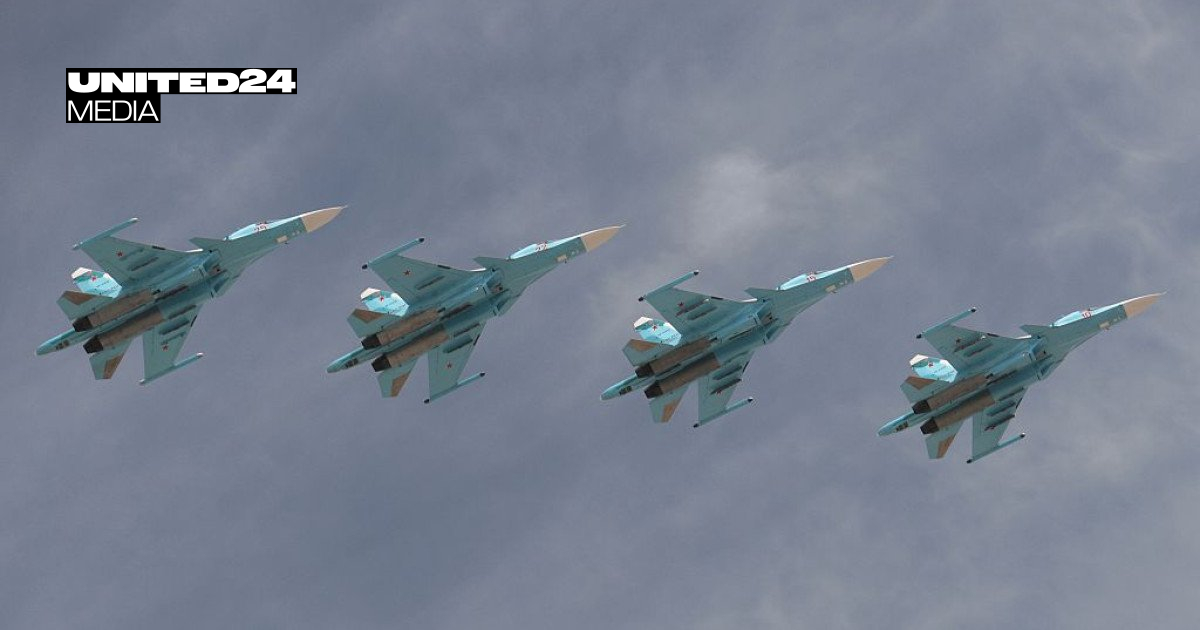
Ukraine destroyed two Russian Su-34 fighter-bombers in a Neptune missile strike on the Marinovka airfield in Russia’s Volgograd region, the Ukrainian Navy reported on October 29.
The strike was carried out with Ukraine’s Neptune coastal missile system against an airfield used by Russian military aviation, according to the Navy.
We bring you stories from the ground. Your support keeps our team in the field.
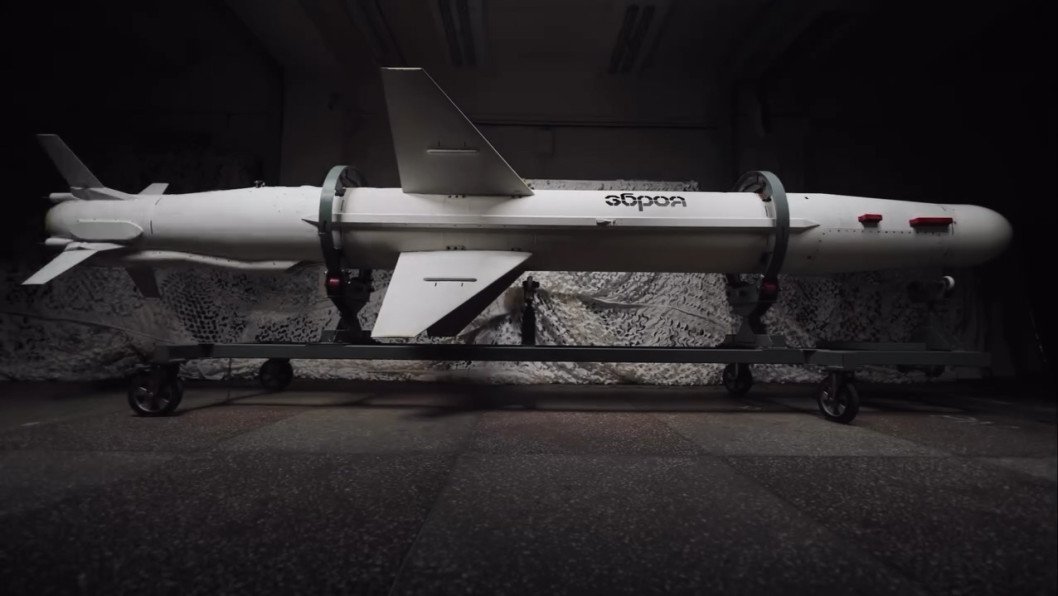
The “Long Neptune” is an extended-range land-attack version of Ukraine’s Neptune missile, developed to strike targets far beyond the original system’s coastal-defense role. UNITED24 Media previously reported that the upgraded missile was designed for deep strikes at ranges of up to 1,000 kilometers, with a larger body and warhead than the original anti-ship version.
Read more
CategoryLatest newsUkraine’s Long-Range Neptune Missile Breaks Cover—Bigger, Stronger, and Built to Strike Deep
Aug 25, 2025 10:40
Two Su-34 aircraft were destroyed at the base of Russia’s 11th Composite Aviation Regiment near Oktyabrsky in the Volgograd region.
“Two more Su-34 aircraft are now on the account of the ‘Long Neptune,’” the Ukrainian Navy wrote.
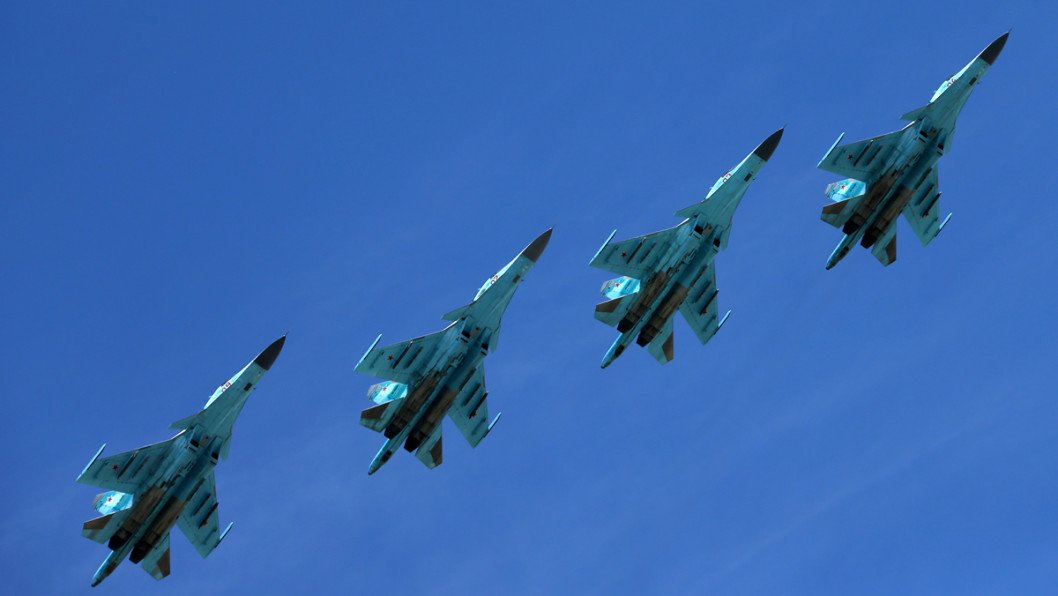
The Su-34 is one of the main platforms used by Russian tactical aviation to deploy guided aerial bombs against Ukrainian cities, Defense Forces positions, and frontline areas.
Read more
CategoryWar in UkraineOne Night, Six Su-34s Hit—More Than Russia’s Entire Known 2026 Supply
Oct 15, 2026 13:50
Ukraine’s Navy stated that strikes on Russian military facilities are intended to reduce Moscow’s ability to conduct combat operations against Ukraine.
The latest strike follows another major Neptune attack on Russian tactical aviation earlier this month. On October 15, Ukrainian forces destroyed six Russian Su-34M fighter-bombers at the Borisoglebsk airfield in Russia’s Voronezh region, according to the Ukrainian Navy.